
Senate Republicans Shift Stance on Iran War Vote Following Trump’s Criticism
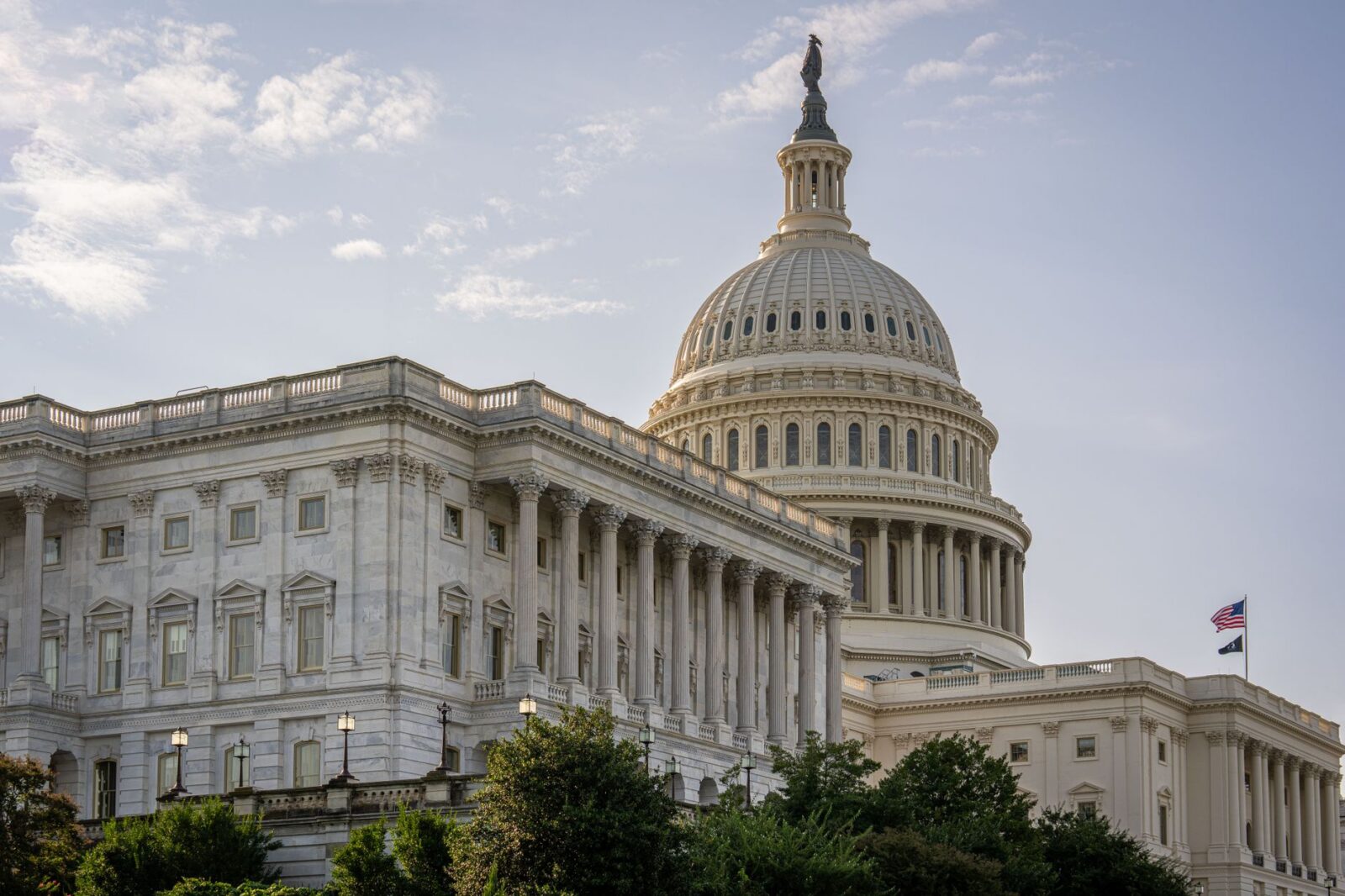
In a surprising turn of events on June 26, 2026, Senate Republicans swiftly altered their stance on a critical vote regarding military intervention in Iran. This shift came mere hours after former President Donald Trump publicly denounced Senator Bill Cassidy, labeling him a ‘lunatic’ for supporting the vote. Cassidy, a moderate voice within the Republican Party, had advocated for a cautious approach towards Iran, emphasizing diplomacy over military action.
The vote in question pertains to a proposed authorization for military force against Iran, a nation already under significant scrutiny for its nuclear ambitions and regional destabilization efforts. The Senate, which had been preparing for a contentious debate, witnessed a rapid reconfiguration of party lines as several Republican senators reconsidered their positions in light of Trump’s vehement disapproval. This incident underscores the former president’s enduring influence over the GOP, particularly as the party grapples with internal divisions over foreign policy.
The implications of this political maneuvering are profound. A military engagement in Iran could escalate tensions in the Middle East, impacting global oil markets and international relations. With the U.S. still reeling from previous military conflicts, a renewed commitment to intervention could provoke backlash both domestically and abroad. Furthermore, the shift in Republican sentiment reflects a broader trend of prioritizing party loyalty over independent judgment, raising questions about the future of U.S. foreign policy.
Looking ahead, the Senate is expected to vote on the military authorization soon, and the outcome may hinge on whether Cassidy can rally support among his colleagues against the tide of Trump’s influence. The unfolding situation will be closely monitored by global leaders and investors alike, as the potential for conflict in Iran could have far-reaching consequences for international stability and economic markets.
Source: The Eastern Herald







Federal Judge Blocks Trump Administration’s Obesity Initiative Amid White House Response
The ruling highlights ongoing tensions in U.S. health policy and its global...
 1 Mins read
Trump Demands Election Reforms as Condition for Signing Affordable Housing Bill
Trump's ultimatum on housing legislation highlights the intersection of housing policy and...
1 Mins read

DOJ Disqualification Request Denied in Trump Correspondents Dinner Case
The denial of the DOJ's request underscores ongoing legal complexities surrounding former...
1 Mins read


Supreme Court Rulings Empower Trump Administration in Immigration Policy
The Supreme Court's recent decisions grant the Trump administration significant authority over...
1 Mins read
Leave a comment