
Unraveling the $56 Million Fraud: Lessons from a Miami Real Estate Scheme
The Shocking Revelation of a Scheme
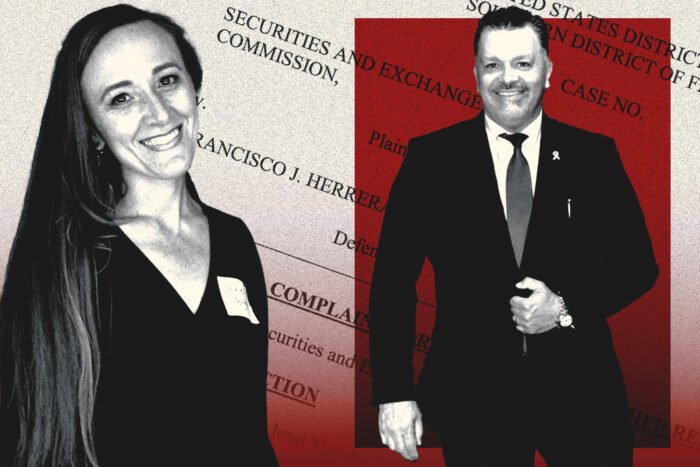
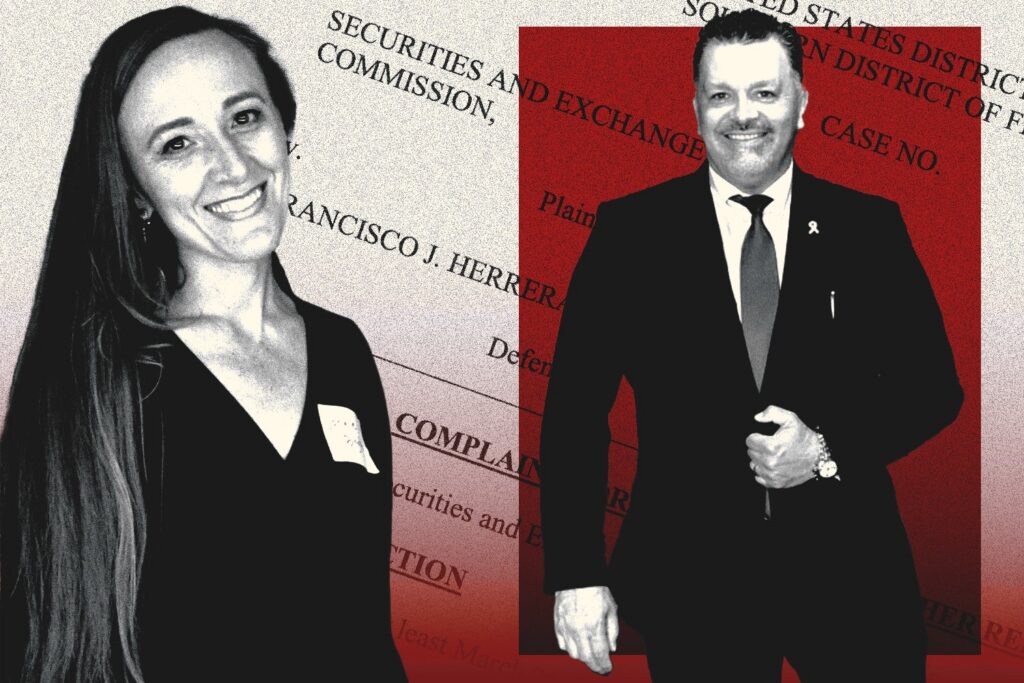
In the heart of Florida’s vibrant real estate market, a scandal has surfaced that has sent ripples through the investment community. A married couple, Janalie Camille Bingham and Jean Joseph, masterminded a fraudulent operation that deceived investors out of a staggering $56 million. The couple’s sentencing in connection with this scheme serves as a cautionary tale about the vulnerabilities that exist within the real estate sector.
Details of the Fraud
Operating through Bingham’s firm, Wells Real Estate Investment, the duo lured unsuspecting investors into a web of false promises and misleading information. Many of the victims were left devastated, having invested their life savings and retirement funds into properties that were never as they appeared. The fallout has not only affected individual investors but has also cast a shadow over the broader market, raising concerns about trust and transparency in real estate dealings.
The Legal Consequences
This case represents one of the more egregious examples of investment fraud in recent years, highlighting the need for rigorous due diligence among investors. Following their guilty pleas, Bingham and Joseph were sentenced to prison, setting a legal precedent for those who engage in such deceptive practices. Furthermore, the Securities and Exchange Commission (SEC) has now turned its sights on a third individual, accused of playing a significant role in this extensive fraud, thereby expanding the scope of accountability.
Investor Vigilance: A Necessity
As the Miami real estate market continues to flourish, the lessons from this incident are more relevant than ever. Investors are urged to adopt a more vigilant approach when evaluating investment opportunities. A robust understanding of the financial instruments and firms with which one engages can mitigate risks associated with fraudulent schemes.
- Conduct thorough research on the company and its principals.
- Seek transparency in financial reporting and property valuations.
- Consult with legal and financial advisors before making significant investments.
Market Impact and the Path Forward
The ramifications of this fraud extend beyond the immediate loss of funds for investors. They raise critical questions about regulatory oversight within the real estate sector. As Miami’s real estate market continues to attract both domestic and international investors, ensuring a transparent and trustworthy environment is paramount. The potential for growth in this market is undeniable, but it must be matched by responsible practices to safeguard investor interests.
In the wake of this scandal, there is a renewed call for stricter regulations and increased scrutiny of real estate firms. The industry must come together to foster a culture of integrity and accountability, ensuring that the allure of Miami’s waterfront lifestyle does not overshadow the fundamental principles of ethical business practices.
Conclusion: A Cautionary Tale
The sentencing of Bingham and Joseph serves as a stark reminder of the risks inherent in any investment, particularly in a market as dynamic and lucrative as Miami. As the city continues to thrive, it is imperative for both investors and developers to prioritize ethical conduct and transparency. By learning from the past and implementing stronger safeguards, Miami’s real estate landscape can emerge not only as a beacon of opportunity but also as a model of integrity.
Editorial note: This article was created by A Bit Lavish Miami’s Magazine as an original editorial reinterpretation based on publicly available reporting. Original source: therealdeal.com. Read the original article here: https://therealdeal.com/miami/2026/06/26/wells-real-estate-fraud-two-sentenced-sec-sues-third/.
Images are used for editorial reference with source credit. If an image requires correction or removal, please contact A Bit Lavish.










The Brickell Battle: Residents Reignite Opposition to Nobu Tower Project
Brickell homeowners challenge the Nobu-branded condo tower project, as a court ruling...
 2 Mins read

A New Pinnacle in Miami Beach: Unveiling the $52 Million Waterfront Masterpiece
Explore the record-breaking sale of a luxurious Miami Beach estate, showcasing the...
2 Mins read
Luxury Transactions: The Pulse of South Florida Real Estate
Explore the latest high-end real estate transactions in South Florida, revealing trends...
2 Mins read



Ken Griffin’s Strategic Move: Palm Beach Office Building Sold to Blackstone’s Revantage
Billionaire Ken Griffin transitions from a Palm Beach office investment, selling to...
2 Mins read
