
Putin and Lukashenko Discuss Escalating Ukraine Tensions
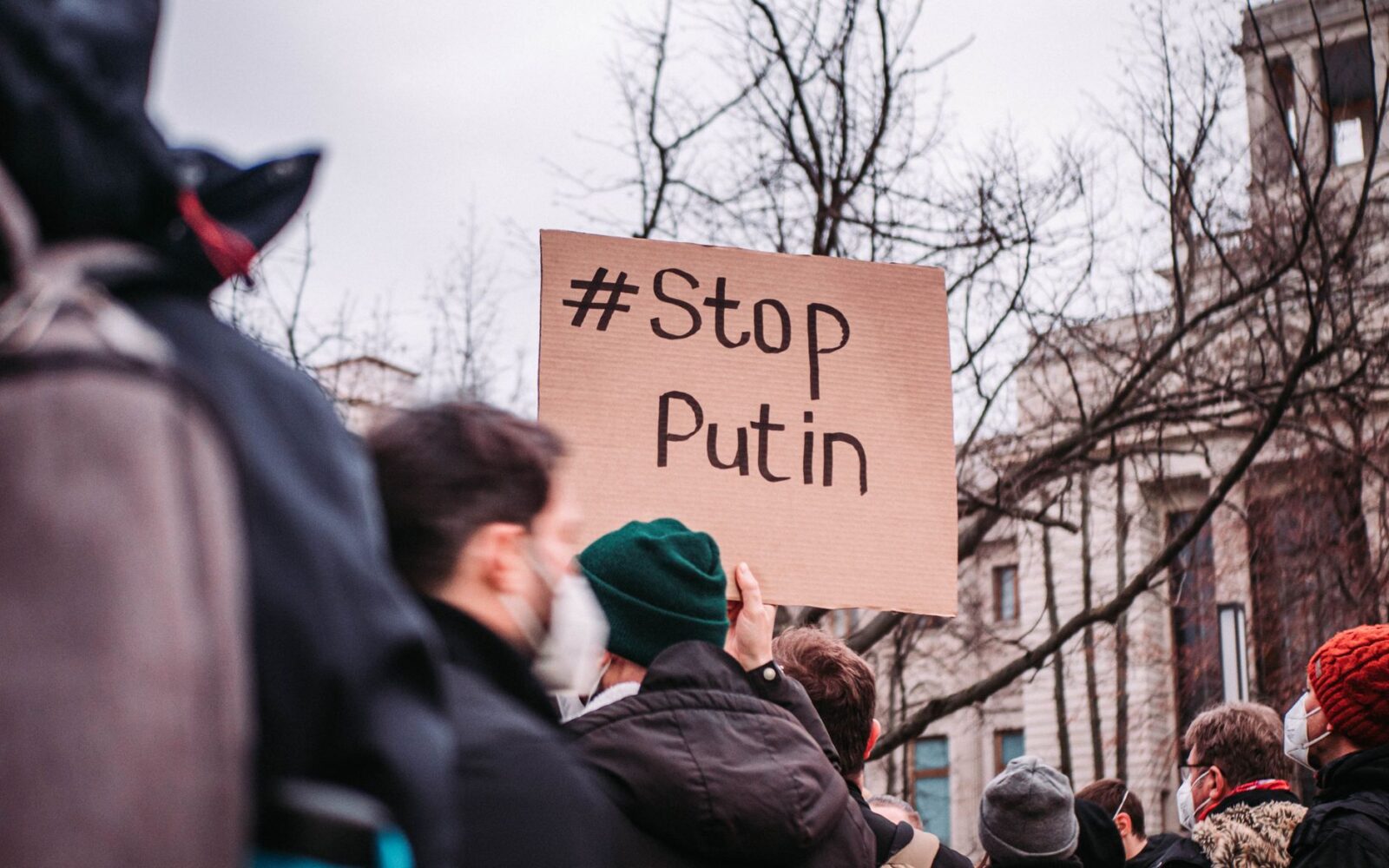
In a significant diplomatic engagement on June 27, 2026, Russian President Vladimir Putin and Belarusian President Alexander Lukashenko convened to address the escalating tensions surrounding Ukraine. This meeting, held in Minsk, underscores the precarious geopolitical landscape in Eastern Europe, particularly in the context of Russia’s ongoing military activity in Ukraine and the broader implications for NATO and EU security frameworks.
The discussions focused on the ramifications of Ukraine’s recent military maneuvers, which have drawn international scrutiny and condemnation. Both leaders recognized the need for a unified front in response to what they perceive as Western encroachment in the region. Analysts suggest that this meeting reflects a strategic alignment between Moscow and Minsk, as Belarus has been increasingly drawn into Russia’s sphere of influence amidst heightened Western sanctions and diplomatic isolation.
This dialogue is particularly vital given the potential for further escalation. Ukraine’s military operations, coupled with Western support, could provoke a robust response from Russia and its allies, leading to a broader regional conflict. The stakes are high: the stability of Eastern Europe, the safety of NATO member states bordering Belarus and Russia, and the international community’s response to continued aggression.
Looking ahead, the outcomes of this meeting may influence not only the immediate situation in Ukraine but also the dynamics of Russian-Belarusian relations and their implications for global security. Should Putin and Lukashenko agree on a coordinated strategy, it could embolden Russia’s actions in Ukraine and challenge the existing international order. Conversely, a failure to reach consensus could lead to increased tensions and unpredictability in the region, necessitating close monitoring by global leaders and policymakers.
Source: Daily Beirut










France Faces Severe Heatwave: 3,500 Schools Closed, 10,000 Hours Reduced
The ongoing heatwave in France highlights the urgent global challenge of climate...
 1 Mins read
Russian Drones Target Key Ukrainian Infrastructure in Escalating Conflict
The recent drone strikes on Ukrainian infrastructure signify a troubling escalation in...
1 Mins read

Russian Hardliners Pressure Putin to Abandon US Negotiations and Intensify Ukraine Conflict
The escalating internal pressure on Putin highlights a critical juncture in global...
1 Mins read



Ukraine’s SBU Strikes Fuel Hub Supplying Moscow for Second Time in June 2026
This attack underscores Ukraine's ongoing resistance and the strategic implications for global...
1 Mins read
Leave a comment