
Trump Declines to Sign Bipartisan Housing Bill, Impacting Homebuyers and Renters
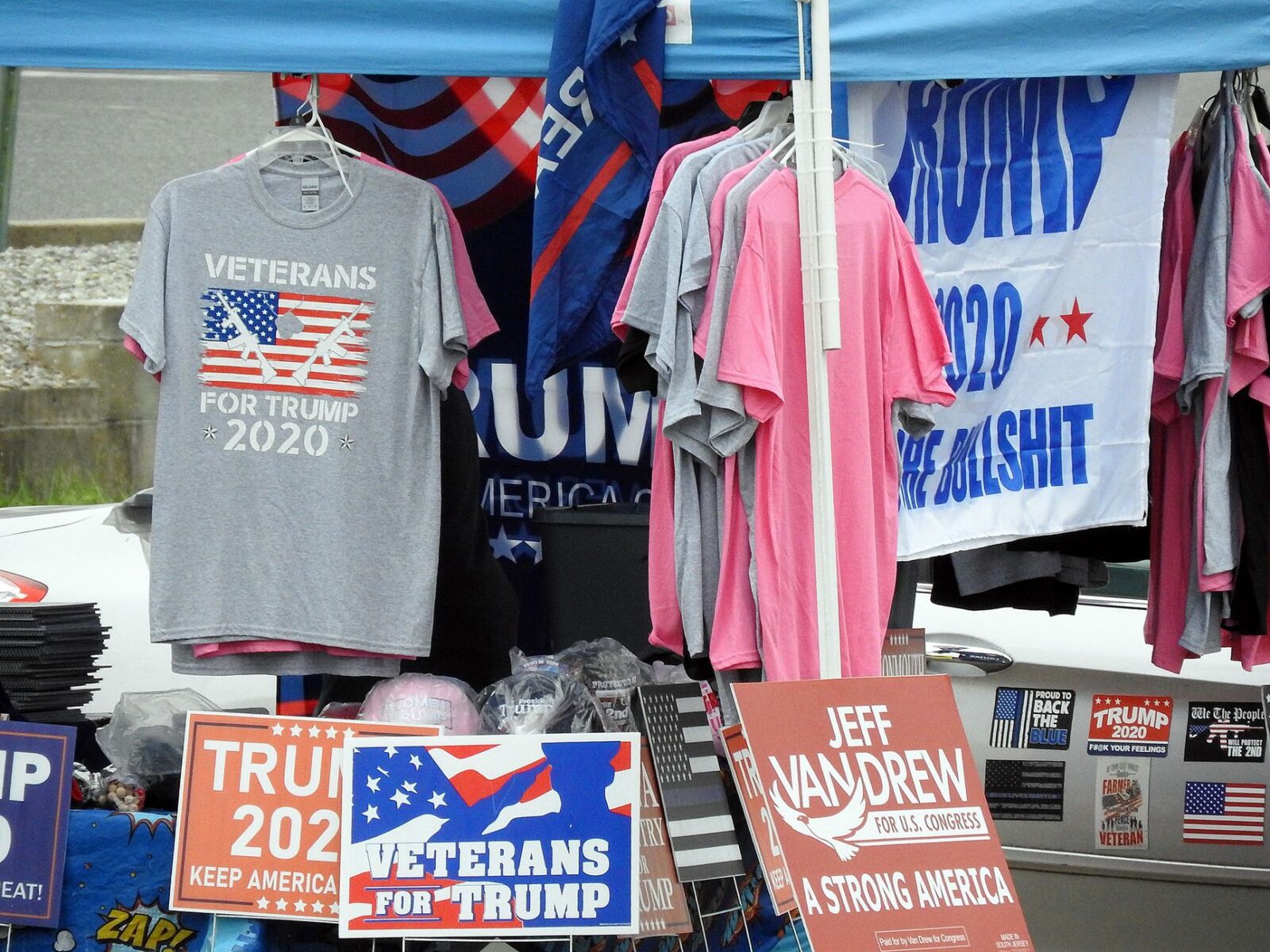
In a significant political maneuver, former President Donald Trump has opted not to sign a bipartisan housing bill that aimed to address the escalating affordability crisis affecting millions of Americans. This legislation, which garnered support from both sides of the aisle, was designed to provide critical funding for affordable housing projects and offer tax incentives to stimulate housing development in urban areas. The refusal to enact this bill raises immediate questions about the future of housing policy in the United States and its ripple effects on global markets.
The bipartisan effort, spearheaded by Senators from both parties, sought to alleviate the pressures faced by homebuyers and renters amid rising interest rates and a dwindling supply of affordable homes. With housing prices continuing to soar, this legislation was seen as a necessary intervention to stabilize the market. Trump’s decision not to sign the bill indicates a stark departure from collaborative governance and raises concerns about the commitment to addressing the housing crisis, which has long-term implications for economic growth and social stability.
This refusal comes at a time when housing affordability is a pressing issue not only in the United States but also globally, as many countries grapple with similar challenges. The implications of Trump’s decision extend beyond domestic borders, potentially affecting investor confidence and leading to increased volatility in the housing markets worldwide. Investors and analysts will be closely monitoring how this decision impacts housing supply and demand dynamics in the coming months.
Looking ahead, the failure to enact this legislation may prompt renewed calls for alternative solutions, including state-level initiatives and private sector involvement in housing development. Additionally, it may invigorate grassroots movements advocating for comprehensive housing reforms. As the situation unfolds, stakeholders across the globe will need to reassess their strategies in light of the changing political landscape and its implications for housing security.
Source: Commercial Dispatch







Traditionalist Catholics Challenge Pope Leo XIV’s Authority, Embrace Outsider Identity
The growing rift among traditionalist Catholics signifies a pivotal moment in the...
 1 Mins read

Pope Leo XIV Opens Consistory, Urges Cardinals to Foster Global Unity in Faith
Pope Leo XIV's call for unity among cardinals underscores the Catholic Church's...
1 Mins read

Cardinals Consider Replacing ‘Just War’ Doctrine with ‘Proportional Defense’ Framework
The potential shift from 'just war' to 'proportional defense' could redefine Catholic...
1 Mins read


Pope Appoints Former Undocumented Migrant as Bishop in the United States
This historic appointment highlights the Catholic Church's stance on immigration and inclusion,...
1 Mins read
Leave a comment