
Trump Facilitates Migrant Labor for Dairy Farms, Provoking Anti-Immigration Backlash
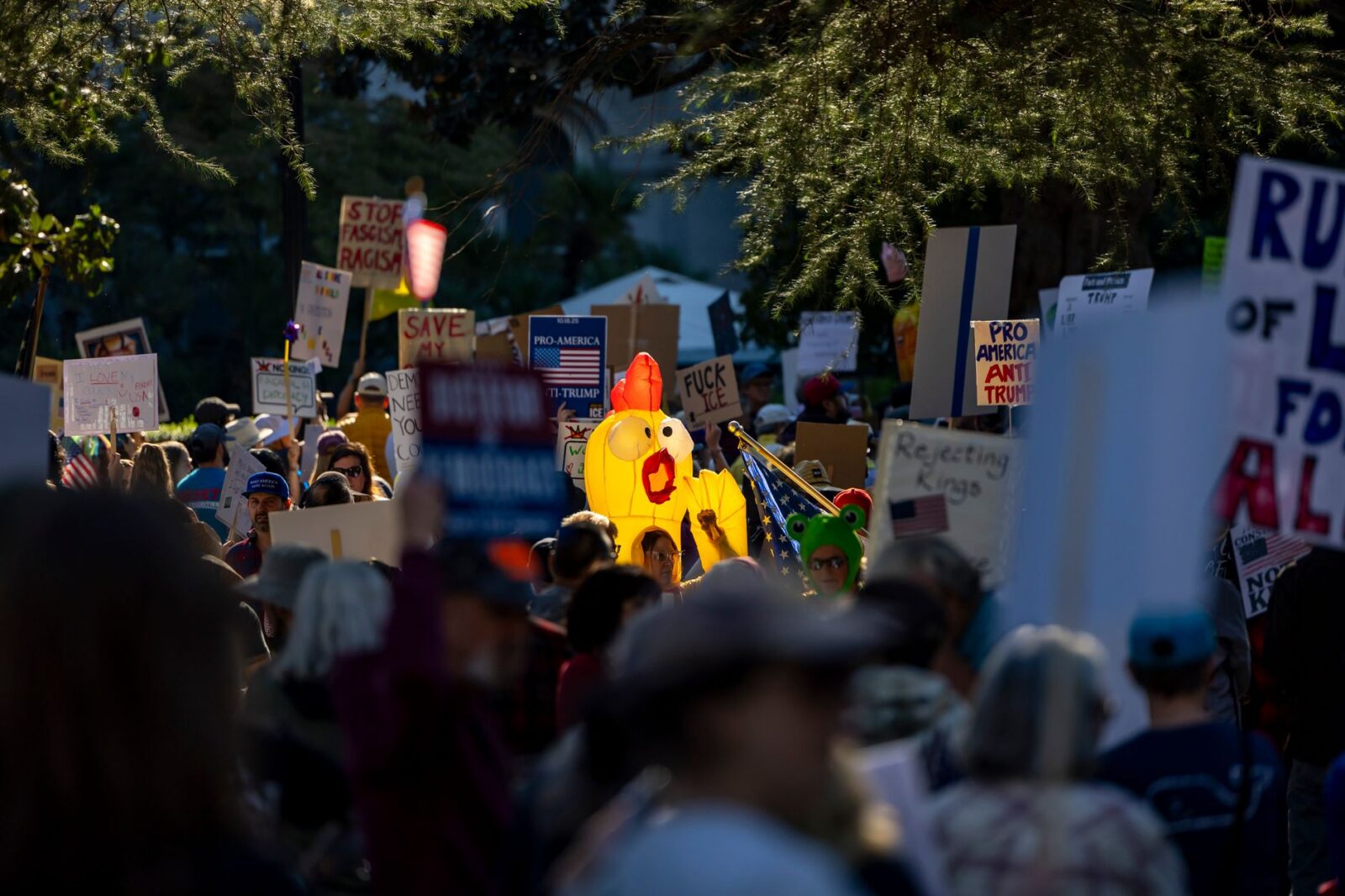
In a significant policy shift, former President Donald Trump has announced a new framework that allows dairy farms to hire migrant labor more easily. This decision comes as the agricultural sector grapples with severe labor shortages, particularly in dairy production, which has seen a decline in available domestic workers. With the dairy industry representing a substantial portion of the U.S. agricultural economy—valued at approximately $39 billion in 2025—this move aims to stabilize a crucial sector facing increasing operational challenges.
Key stakeholders in this decision include major dairy producers and agricultural associations that have long advocated for more flexible immigration policies to address labor shortages. The National Milk Producers Federation has welcomed the initiative, citing a pressing need for skilled workers to maintain production levels and meet consumer demand. Conversely, this policy has stirred discontent among anti-immigration factions, who argue that it undermines domestic labor and could potentially encourage illegal immigration.
The implications of this policy are significant on a global scale. As the world faces escalating food security challenges exacerbated by climate change and geopolitical tensions, the U.S. dairy industry’s ability to sustain production is increasingly vital. Furthermore, this move could influence immigration discussions worldwide, as countries assess their own labor needs against public sentiment regarding immigration.
Looking ahead, the potential for increased tension within the Republican Party is evident, as factions clash over immigration policies. The decision may also prompt other agricultural sectors to seek similar concessions, reshaping the landscape of labor laws in the agricultural domain. As debates intensify, the balance between economic necessity and immigration control will remain a focal point for policymakers and industry leaders alike.
Source: The Washington Post




Traditionalist Catholics Challenge Pope Leo XIV’s Authority, Embrace Outsider Identity
The growing rift among traditionalist Catholics signifies a pivotal moment in the...
 1 Mins read
Pope Leo XIV Opens Consistory, Urges Cardinals to Foster Global Unity in Faith
Pope Leo XIV's call for unity among cardinals underscores the Catholic Church's...
1 Mins read

Cardinals Consider Replacing ‘Just War’ Doctrine with ‘Proportional Defense’ Framework
The potential shift from 'just war' to 'proportional defense' could redefine Catholic...
1 Mins read


Pope Appoints Former Undocumented Migrant as Bishop in the United States
This historic appointment highlights the Catholic Church's stance on immigration and inclusion,...
1 Mins read
Leave a comment