
Pakistan and Iran Strengthen Commitment to Regional Stability Amid US-Iran Tensions
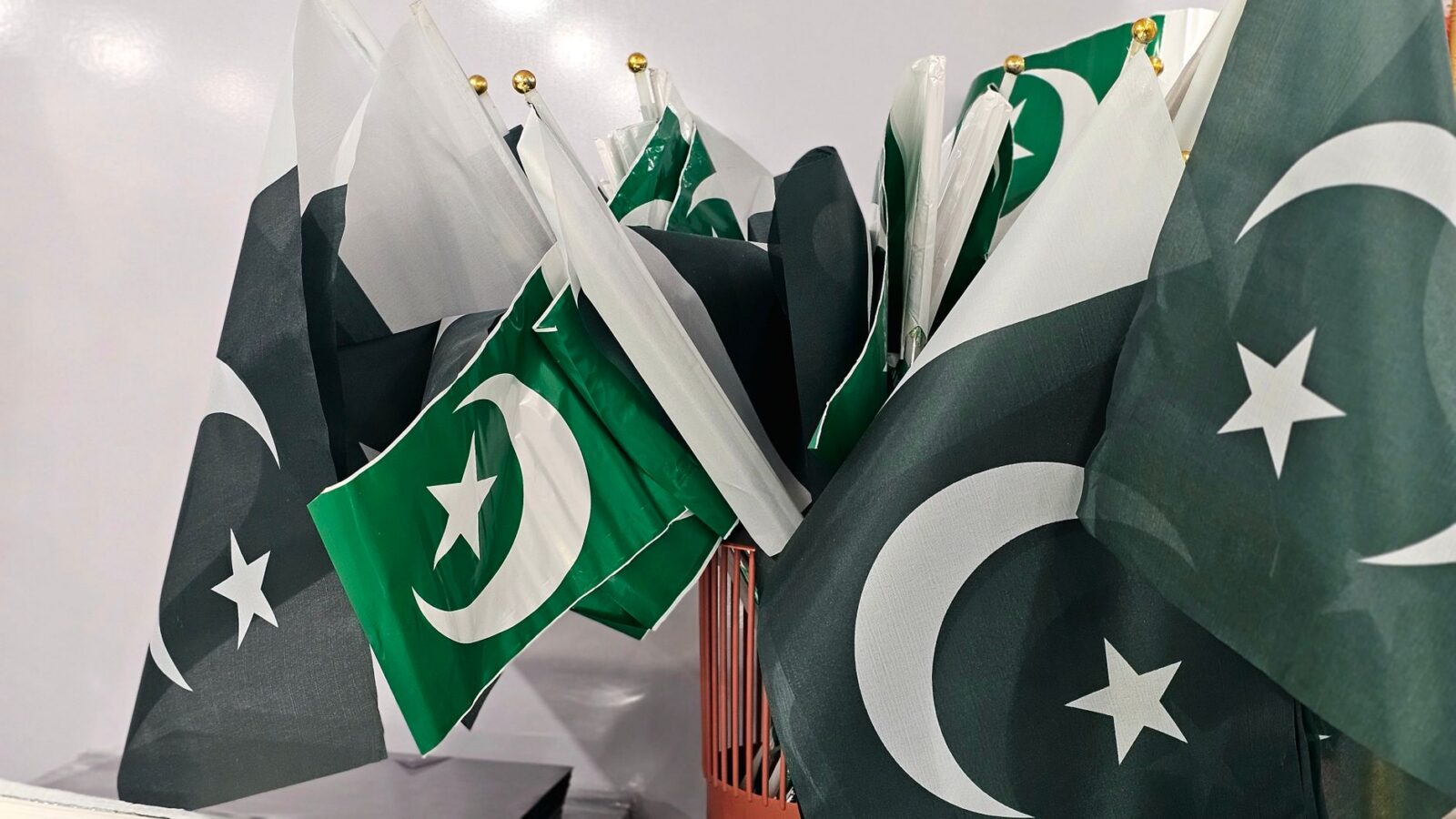
On June 27, 2026, Pakistan and Iran reaffirmed their commitment to regional stability in light of escalating military exchanges between the United States and Iran. This diplomatic engagement comes as both nations seek to bolster their strategic partnership against a backdrop of increased tensions in the Middle East, particularly following recent military actions by US forces in the region.
The discussions, held in Islamabad, involved senior officials from both countries, emphasizing mutual interests in maintaining peace and security along their shared border. The significance of this meeting cannot be overstated; it reflects a growing alignment between Pakistan and Iran as they navigate the complexities of US foreign policy, which has increasingly focused on countering Iranian influence in the region. The US has engaged in military posturing, including airstrikes and naval deployments, aimed at deterring what it perceives as Iranian aggression.
This renewed collaboration between Pakistan and Iran is particularly important given the historical context of their bilateral relations, marked by periods of both cooperation and tension. As both countries face pressure from external powers, their commitment to regional stability provides a counterbalance to US interests that may destabilize the region further. The implications of this partnership extend beyond mere diplomacy; they resonate through regional security dynamics, affecting trade routes, energy supplies, and the broader geopolitical landscape.
Looking ahead, the situation poses critical questions for global observers: how will this strengthened alliance influence US strategy in the region? Will it lead to a recalibration of military resources by the US, or could it provoke further confrontations? The answers to these questions will shape the geopolitical landscape in the Middle East and beyond, as nations reassess their positions in response to the evolving dynamics between Pakistan, Iran, and the United States.
Source: Muslim Network TV







Traditionalist Catholics Challenge Pope Leo XIV’s Authority, Embrace Outsider Identity
The growing rift among traditionalist Catholics signifies a pivotal moment in the...
 1 Mins read

Pope Leo XIV Opens Consistory, Urges Cardinals to Foster Global Unity in Faith
Pope Leo XIV's call for unity among cardinals underscores the Catholic Church's...
1 Mins read

Cardinals Consider Replacing ‘Just War’ Doctrine with ‘Proportional Defense’ Framework
The potential shift from 'just war' to 'proportional defense' could redefine Catholic...
1 Mins read


Pope Appoints Former Undocumented Migrant as Bishop in the United States
This historic appointment highlights the Catholic Church's stance on immigration and inclusion,...
1 Mins read
Leave a comment