
Former NATO Deputy Commander Advocates for Victory in Ongoing Conflicts
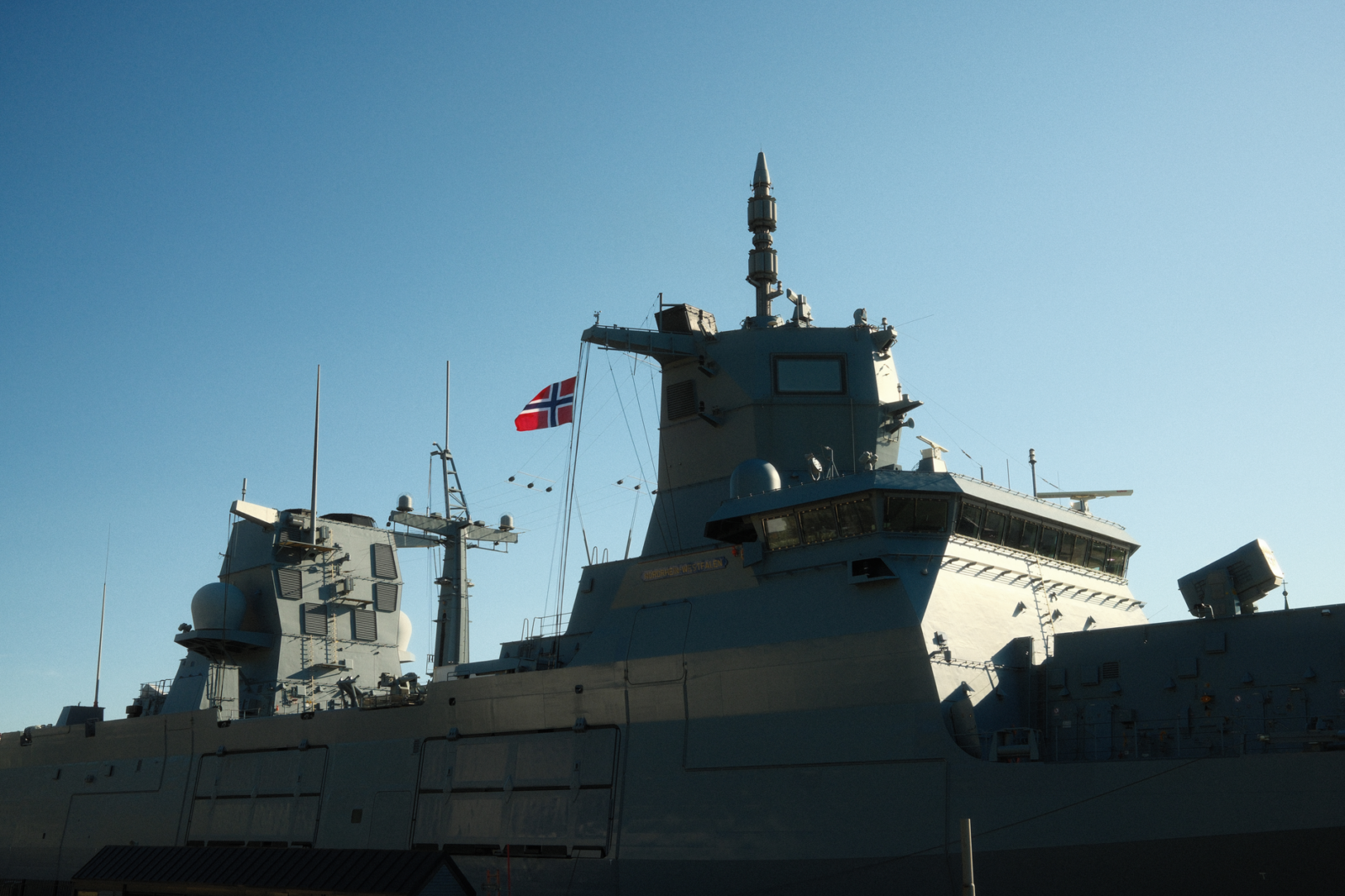
On June 27, 2026, NATO’s former deputy commander, General Richard Shirreff, publicly emphasized the necessity of achieving victory in ongoing conflicts, a stance that has sparked significant discourse among military and political analysts. Shirreff’s remarks come at a time when NATO faces increasing scrutiny regarding its effectiveness in deterring aggression from state and non-state actors alike, particularly in Eastern Europe and the Arctic region.
In his latest address, Shirreff articulated a clear vision that emphasizes not just containment but the imperative of a decisive military victory over adversaries. He posited that failure to adopt this mindset could embolden hostile nations, thereby destabilizing the geopolitical landscape further. This perspective is particularly relevant as NATO member states grapple with the realities of an evolving security environment, characterized by hybrid warfare and cyber threats that challenge traditional military strategies.
The significance of Shirreff’s comments cannot be overstated. As the world watches the ongoing tensions between NATO and Russia, particularly in the context of Ukraine and Baltic security, Shirreff’s advocacy for a victory-oriented approach could influence defense policies and military readiness across NATO. His position reflects a growing sentiment among certain military leaders that a more aggressive posture may be necessary to deter further incursions and maintain the alliance’s credibility.
Looking ahead, Shirreff’s call for victory may catalyze a shift in NATO’s strategic objectives, prompting member nations to reevaluate their defense spending and operational readiness. As global leaders convene to discuss security strategies, the implications of adopting a more assertive stance may reverberate across international relations, potentially leading to an escalation of military commitments in contested regions. The response from both NATO and its adversaries will shape the future of global security dynamics.
Source: Euromaidan Press






Ukraine Targets Russian Naval Assets Amid Escalating Crimea Tensions
Ukraine's recent military actions against Russian ships signal a critical escalation in...
 1 Mins read
Ukraine Intensifies Strikes, Compounding Russian Fuel Shortages in Crimea
The ongoing conflict escalates as Ukraine's military actions exacerbate fuel shortages in...
1 Mins read
Russia-Ukraine War Enters 1586th Day as Casualties Mount
The ongoing conflict continues to reshape global geopolitics and security dynamics, highlighting...
1 Mins read


Ukraine Strikes Refinery in Russia’s Krasnodar Region, Escalating Tensions
This attack highlights the ongoing conflict between Ukraine and Russia, with significant...
1 Mins read
Leave a comment