
Trump Navigates AI Policy Amidst Global Competition and Domestic Pressure
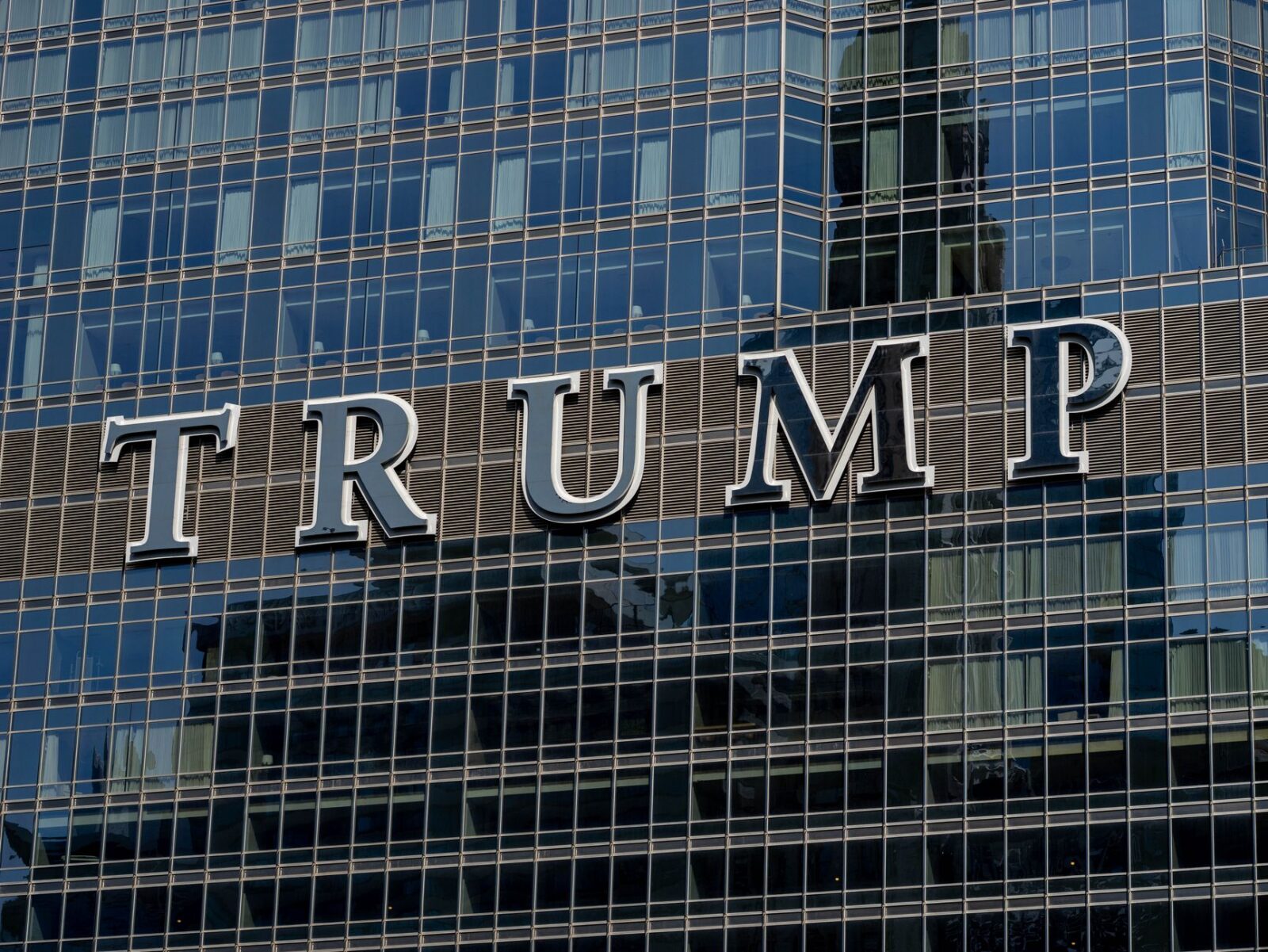
In a significant move for the United States’ technological landscape, former President Donald Trump is actively shaping a new artificial intelligence (AI) policy aimed at countering China’s advancements while appeasing his political base. The urgency of this initiative comes as China accelerates its investment in AI, positioning itself as a global leader in this critical sector. Trump’s efforts reflect an understanding that AI is not merely a technological issue but a strategic battleground that could redefine global power dynamics.
This initiative, which includes a series of proposed regulations and incentives for U.S. companies, is designed to bolster domestic AI development. Trump has called for increased federal funding for AI research and development, alongside measures to ensure that American companies can compete effectively against their Chinese counterparts. This balancing act illustrates the former president’s dual focus on national security and economic competitiveness, as he seeks to reassure his supporters about his commitment to American innovation.
The implications of Trump’s AI strategy are profound, particularly in the context of U.S.-China relations. As both nations vie for supremacy in AI technology, the outcomes of these policies could have far-reaching effects on global trade, cybersecurity, and technological standards. The potential for a tech cold war looms large, with countries increasingly aligning themselves based on their technological affiliations.
Looking ahead, Trump’s AI policy could catalyze a shift in how nations approach technology regulation and collaboration. If the U.S. successfully implements these measures, it may not only reclaim its leadership position in AI but also influence global standards and practices in the industry. However, failure to effectively counter China’s advances could result in a technological landscape dominated by Beijing, with significant consequences for American businesses and international relations.
Source: Newsmax






Putin Acknowledges Challenges as Ukraine Intensifies Strikes on Russian Territory
Ukraine's increased military operations inside Russia signal a significant escalation in the...
 1 Mins read
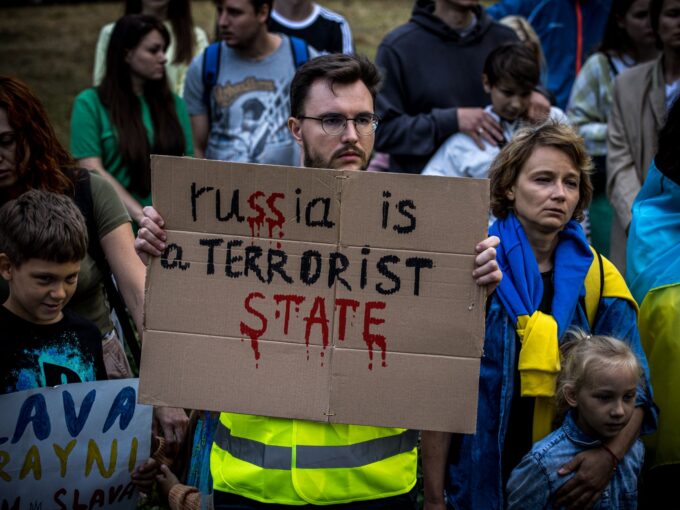
Russia-Ukraine War Escalates with Renewed Attacks on Key Cities – June 28, 2026
The escalation of attacks in Ukraine underscores the fragility of European security...
1 Mins read
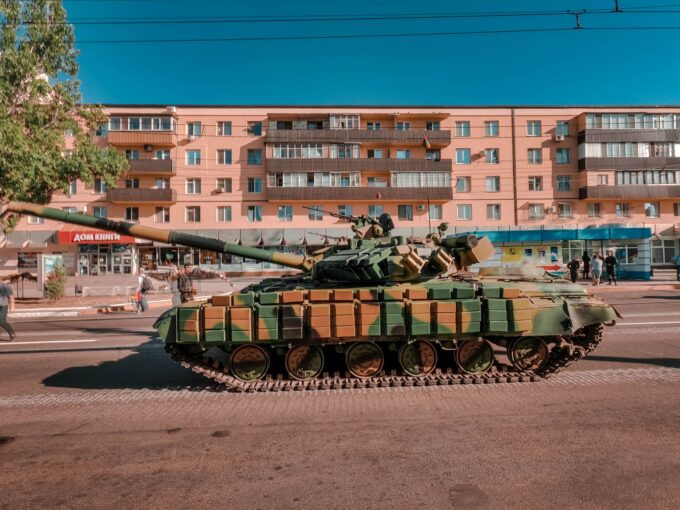
Ukrainian Forces Intensify Operations in Crimea, Prompting Mass Exodus of Russian Civilians
The ongoing military escalation in Crimea is reshaping geopolitical dynamics and raising...
1 Mins read



Russian Hardliners Urge Putin to Intensify Military Action in Ukraine Amid Drone Incursions
The pressure on Putin to escalate military operations in Ukraine grows as...
1 Mins read
Leave a comment