
White House Refutes Claims of Trump’s Involvement with Eli Lilly’s Obesity Treatment

In a swift response to circulating reports, the White House has categorically denied any connection between former President Donald Trump and Eli Lilly’s experimental obesity treatment. The statement, issued on June 27, 2026, emphasizes that the treatment is “not for the president,” dismissing speculation that Trump might be involved in the drug’s development or promotion.
This denial arises amidst heightened scrutiny of pharmaceutical companies and their relationships with political figures, particularly as Eli Lilly advances its obesity medication, which is currently undergoing clinical trials. The potential market for obesity treatments is substantial, with an estimated global market value projected to reach $200 billion by 2030, making it critical for stakeholders to clarify their positions and affiliations.
The implications of this denial extend beyond the immediate political landscape, raising questions about the intersection of healthcare and governance. As obesity rates continue to soar globally, the ethical considerations surrounding pharmaceutical influence and political endorsements become increasingly significant. Stakeholders, including investors and health policymakers, are closely monitoring how such relationships may impact public health initiatives and regulatory frameworks.
Looking ahead, the fallout from this incident may prompt increased calls for transparency within the pharmaceutical sector. As Eli Lilly advances its treatment, the company may face intensified scrutiny regarding its interactions with political figures. The outcome of this development could shape not only public perception but also regulatory policies governing the pharmaceutical industry, impacting how new treatments are approved and marketed in the future.
Source: MSN








Ukraine Strikes Major Russian Oil Facility Again as Tensions Escalate
Ukraine's renewed assault on a pivotal Russian oil hub highlights the intensifying...
 1 Mins read
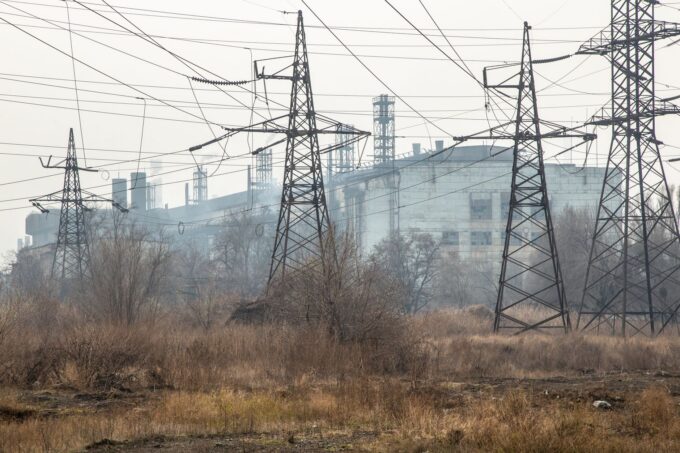
Ukraine Targets Industrial Facility in Volgograd Amid Escalating Conflict
The ongoing conflict between Ukraine and Russia intensifies, highlighting global security concerns...
1 Mins read
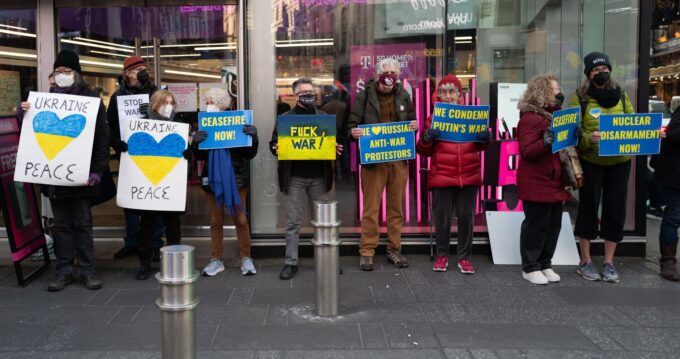
Putin Faces Increasing Domestic Pressure as Economic Challenges Mount from Ukraine Conflict
The global implications of Russia's economic turmoil under Putin are significant as...
1 Mins read



Trump Critiques Obama’s ‘Obsession’ Comment in Unconventional Post
Trump's response to Obama underscores ongoing political tensions, influencing public discourse and...
1 Mins read
Leave a comment