
Venezuela earthquake death toll rises to 1,430 as U.S. pledges additional aid
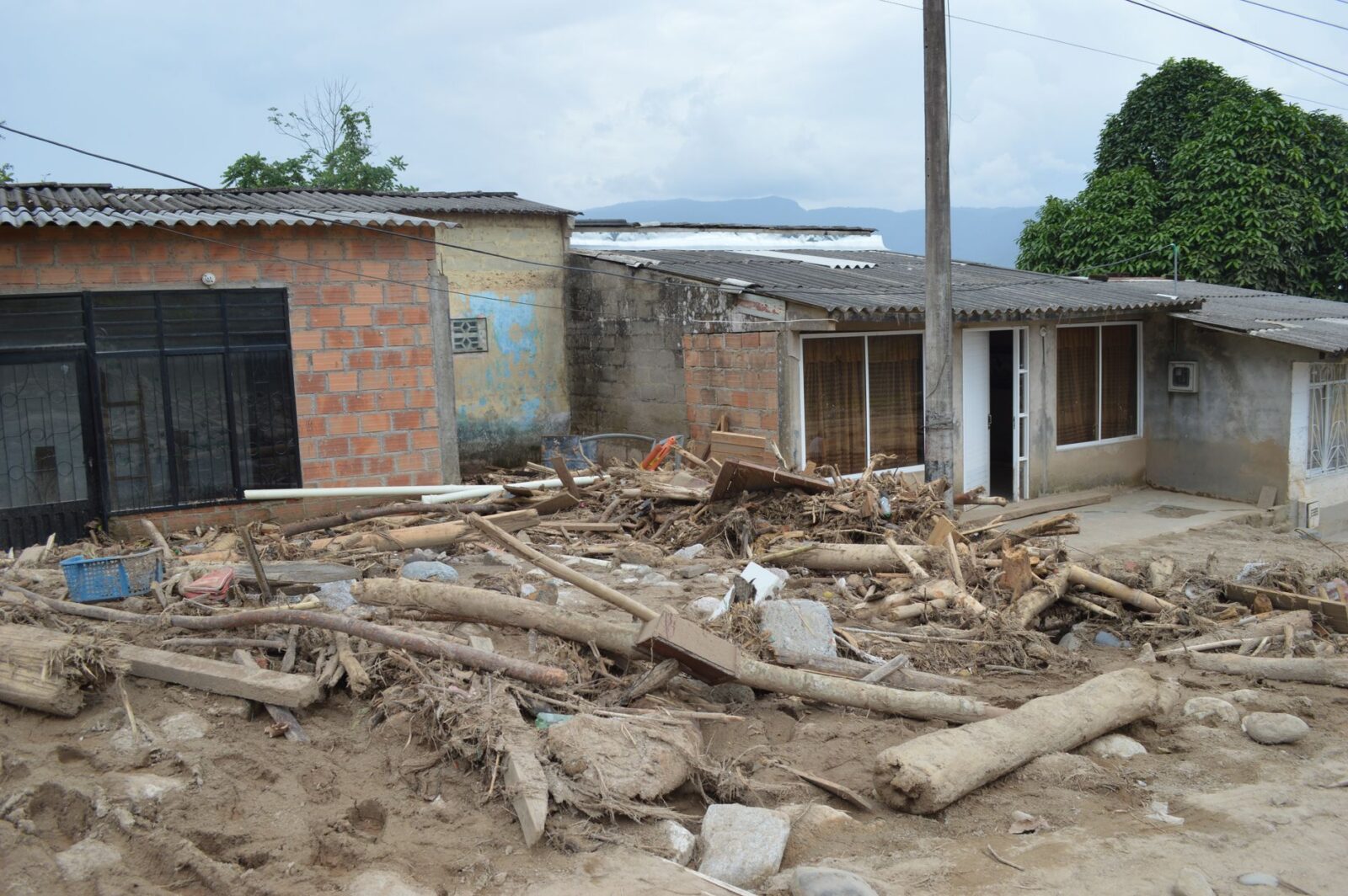
On June 28, 2026, the death toll from the devastating earthquake that struck Venezuela has tragically risen to 1,430, as rescue operations continue amid widespread destruction. The quake, which measured 7.1 on the Richter scale, has inflicted catastrophic damage, particularly in the northern regions of the country, where entire communities have been leveled, and critical infrastructure has been severely compromised.
The government of Venezuela, led by President Nicolás Maduro, is facing immense challenges in coordinating a response to the disaster. The scale of the devastation has overwhelmed local authorities, prompting the United States to announce an increase in humanitarian aid. U.S. officials confirmed that they will send additional resources, including medical supplies and personnel, to assist in the recovery efforts. This is a significant move, as it underscores the international community’s growing concern over Venezuela’s capacity to manage the crisis.
This situation is critical not only for Venezuela but also for regional stability and international humanitarian efforts. The country has been grappling with a profound socio-economic crisis for years, resulting in widespread poverty and a mass exodus of its citizens. The earthquake exacerbates these issues, creating an urgent need for international aid and intervention. The global response will likely hinge on the effectiveness of the Venezuelan government’s recovery efforts and its willingness to accept external assistance, which has been a contentious issue in the past.
Looking ahead, the implications of this disaster could be far-reaching. If the Venezuelan government cannot effectively manage the aftermath of the earthquake, it may lead to increased instability, prompting more citizens to flee the country and further straining neighboring nations. Additionally, the international community will be closely monitoring how the U.S. and other nations respond, as the situation could become a pivotal point in U.S.-Venezuela relations and broader geopolitical dynamics in Latin America.
Source: The Washington Post







Ukraine Strikes Major Russian Oil Facility Again as Tensions Escalate
Ukraine's renewed assault on a pivotal Russian oil hub highlights the intensifying...
 1 Mins read
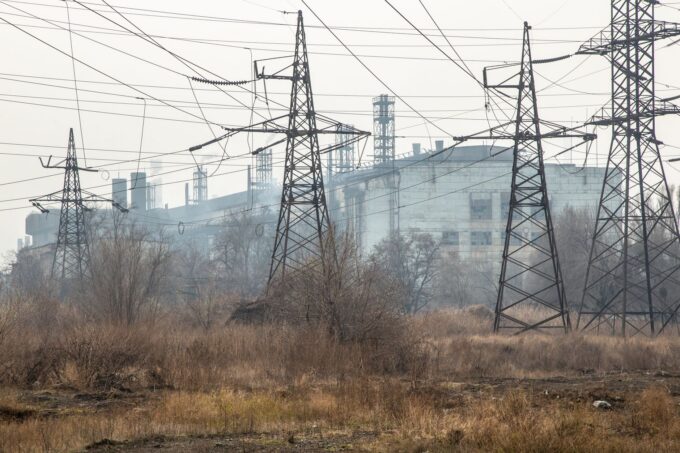
Ukraine Targets Industrial Facility in Volgograd Amid Escalating Conflict
The ongoing conflict between Ukraine and Russia intensifies, highlighting global security concerns...
1 Mins read
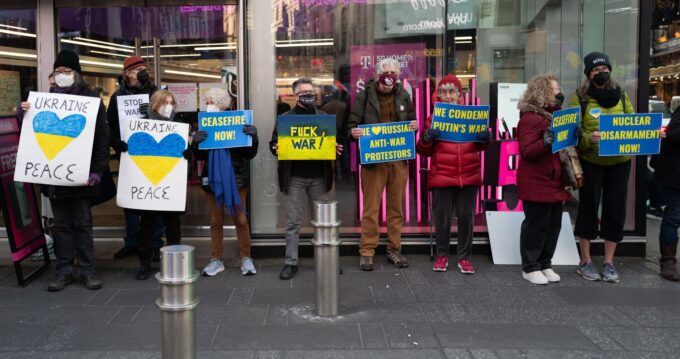
Putin Faces Increasing Domestic Pressure as Economic Challenges Mount from Ukraine Conflict
The global implications of Russia's economic turmoil under Putin are significant as...
1 Mins read



Trump Critiques Obama’s ‘Obsession’ Comment in Unconventional Post
Trump's response to Obama underscores ongoing political tensions, influencing public discourse and...
1 Mins read
Leave a comment