
Ukraine Targets Industrial Facility in Volgograd Amid Escalating Conflict
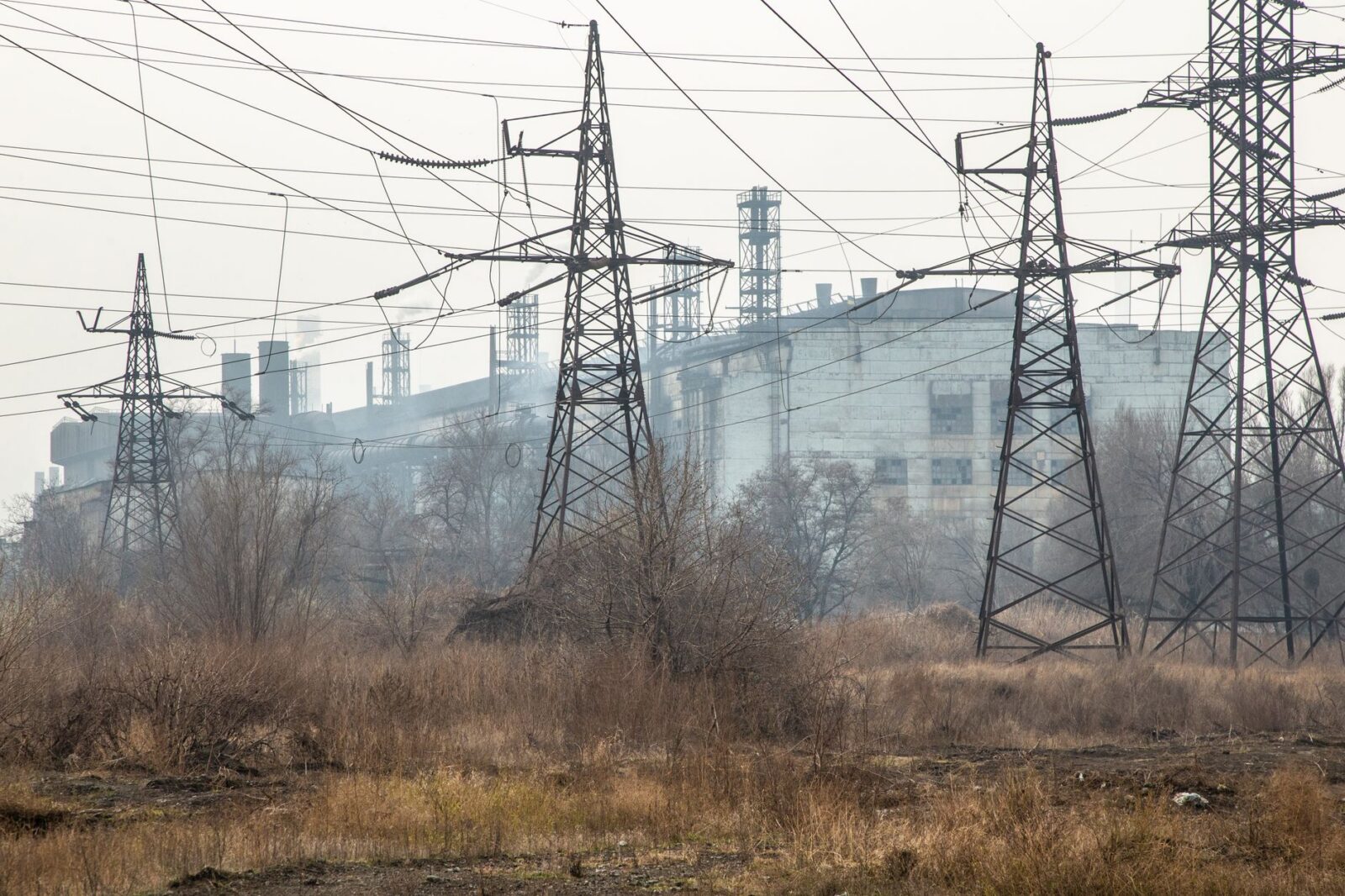
On June 27, 2026, Ukraine conducted a targeted strike on an industrial facility located in Volgograd, Russia, a significant escalation in the ongoing conflict between the two nations. This strike comes in the wake of a Russian drone attack that resulted in the death of one individual, further heightening tensions in a region already fraught with instability. The Ukrainian military has not publicly detailed the specific objectives of the strike, but the choice of target underscores a strategic shift aimed at disrupting Russian industrial capabilities.
The incident reflects the broader dynamics of the Ukraine-Russia conflict, which has seen increased military actions from both sides in recent weeks. The Russian government condemned the Ukrainian strike, labeling it as an act of aggression that threatens civilian infrastructure and regional stability. This development is particularly concerning given the potential for retaliatory measures from Russia, which may escalate military operations or increase drone assaults on Ukrainian territory.
This escalation is significant on multiple fronts. Firstly, it raises critical questions about the effectiveness of international diplomatic efforts to mediate the conflict, which has already resulted in substantial loss of life and economic disruption. Furthermore, the strike may provoke a reevaluation of military support for Ukraine from Western allies, particularly the United States and European nations, who have been hesitant to deepen their involvement in the conflict.
Looking ahead, the potential for further escalation is palpable. Analysts warn that if Russia responds with increased military force, it could lead to a broader conflict that draws in NATO and other global powers, fundamentally altering the security landscape of Eastern Europe. The international community must closely monitor these developments, as they carry significant implications not only for regional stability but also for global geopolitical alignments.
Source: Japan Today






Ukraine Strikes Major Russian Oil Facility Again as Tensions Escalate
Ukraine's renewed assault on a pivotal Russian oil hub highlights the intensifying...
 1 Mins read
Putin Faces Increasing Domestic Pressure as Economic Challenges Mount from Ukraine Conflict
The global implications of Russia's economic turmoil under Putin are significant as...
1 Mins read

Trump Critiques Obama’s ‘Obsession’ Comment in Unconventional Post
Trump's response to Obama underscores ongoing political tensions, influencing public discourse and...
1 Mins read



White House Reveals New Images of US ‘Patriot Passports’ Ahead of 250th Anniversary
The unveiling of ‘patriot passports’ signifies a new era in American identity...
1 Mins read
Leave a comment