
Trump Proposes 100% Tariff on European Nations Enforcing Digital Tax
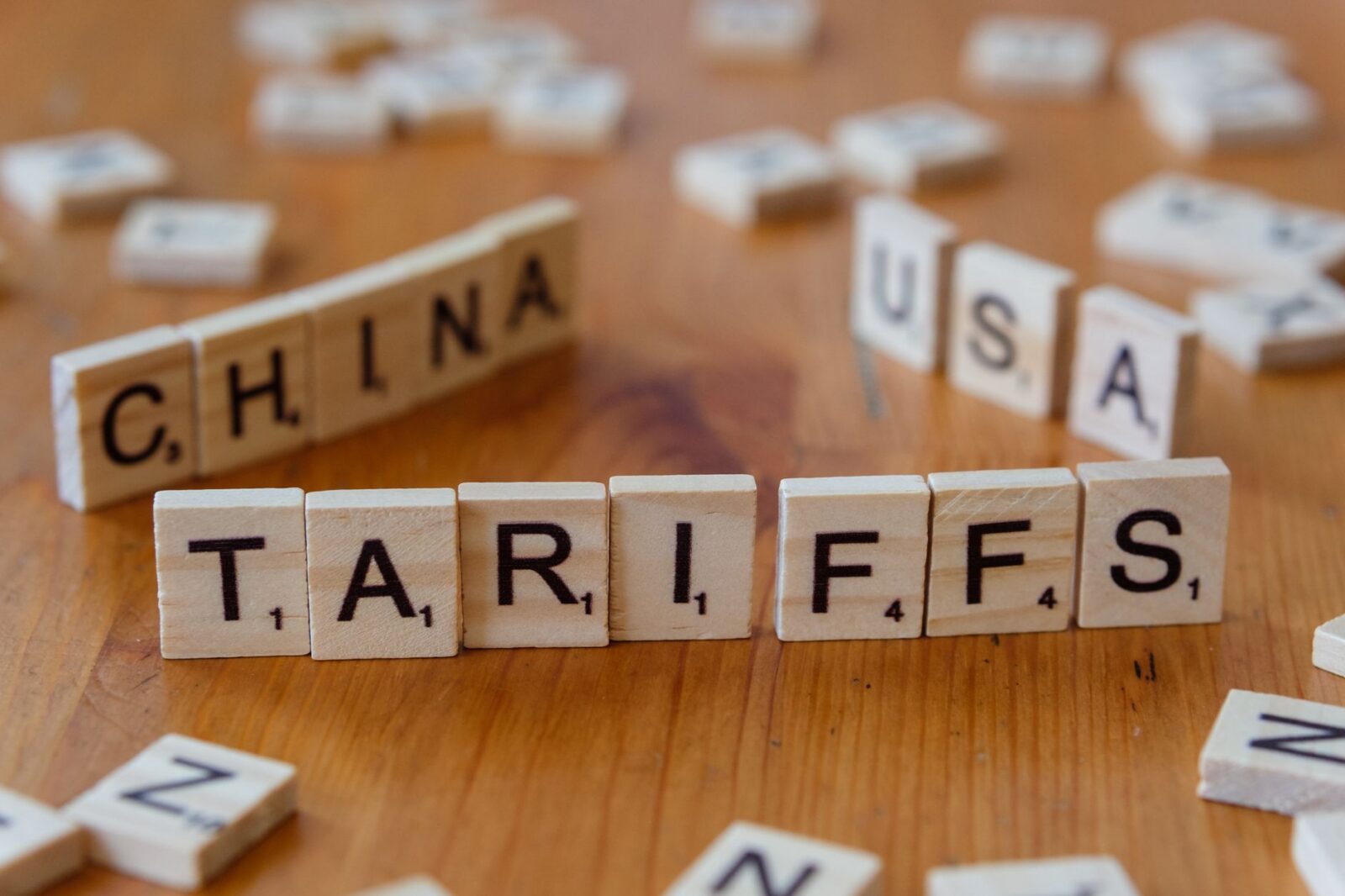
In a significant escalation of trade tensions, former President Donald Trump has threatened to impose a 100% tariff on European countries that implement digital taxes targeting U.S. technology firms. This announcement comes in response to various nations, including France and Germany, moving forward with digital tax legislation aimed at multinational corporations, particularly American giants like Google, Amazon, and Facebook. Trump’s remarks signal a potential return to aggressive trade policies reminiscent of his administration’s approach to international relations.
The countries in question are increasingly adopting measures to capitalize on the digital economy, seeking to ensure that tech giants contribute fairly to their local economies. France has led this initiative, having enacted a digital services tax that levies a 3% charge on revenue generated by large tech companies within its borders. Germany and several other EU nations are considering similar measures, prompting fears of a tit-for-tat trade war that could disrupt global markets.
This development matters on multiple fronts: firstly, it underscores the ongoing struggle between national governments seeking to regulate digital economies and multinational corporations that often operate across borders with minimal tax obligations. Secondly, Trump’s tariff threat could lead to retaliatory measures from European nations, exacerbating existing trade disputes and potentially leading to a broader economic fallout that could affect global supply chains and market stability.
Looking ahead, the implications of this threat could be profound. If implemented, a 100% tariff could significantly increase costs for American consumers and businesses reliant on European imports. Moreover, such a move could prompt other countries to reconsider their digital tax strategies, leading to an international stalemate that complicates efforts for a cohesive global tax framework. As the situation evolves, stakeholders across the globe will be closely monitoring developments, anticipating potential shifts in trade policy and international relations.
Source: 1News








Putin Acknowledges Challenges as Ukraine Intensifies Strikes on Russian Territory
Ukraine's increased military operations inside Russia signal a significant escalation in the...
 1 Mins read
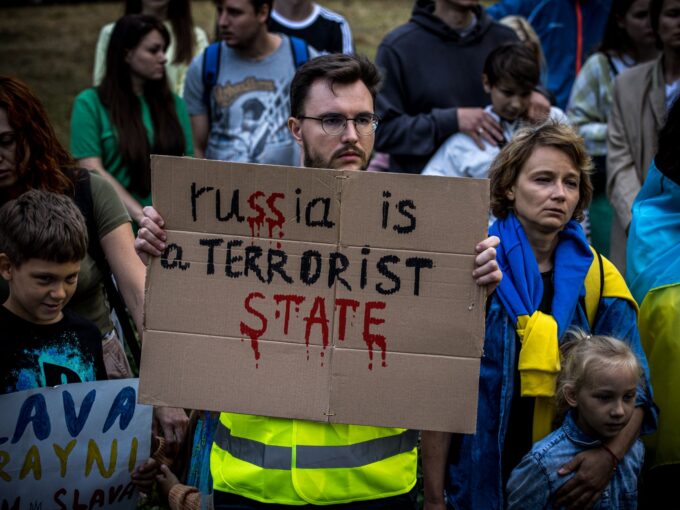
Russia-Ukraine War Escalates with Renewed Attacks on Key Cities – June 28, 2026
The escalation of attacks in Ukraine underscores the fragility of European security...
1 Mins read
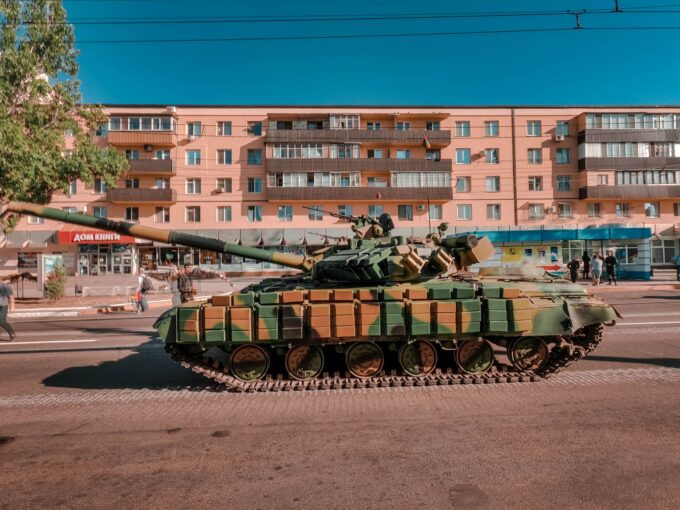
Ukrainian Forces Intensify Operations in Crimea, Prompting Mass Exodus of Russian Civilians
The ongoing military escalation in Crimea is reshaping geopolitical dynamics and raising...
1 Mins read



Russian Hardliners Urge Putin to Intensify Military Action in Ukraine Amid Drone Incursions
The pressure on Putin to escalate military operations in Ukraine grows as...
1 Mins read
Leave a comment