
Apple Urges Trump Administration to Shield Chinese Chip Supplier from US Sanctions
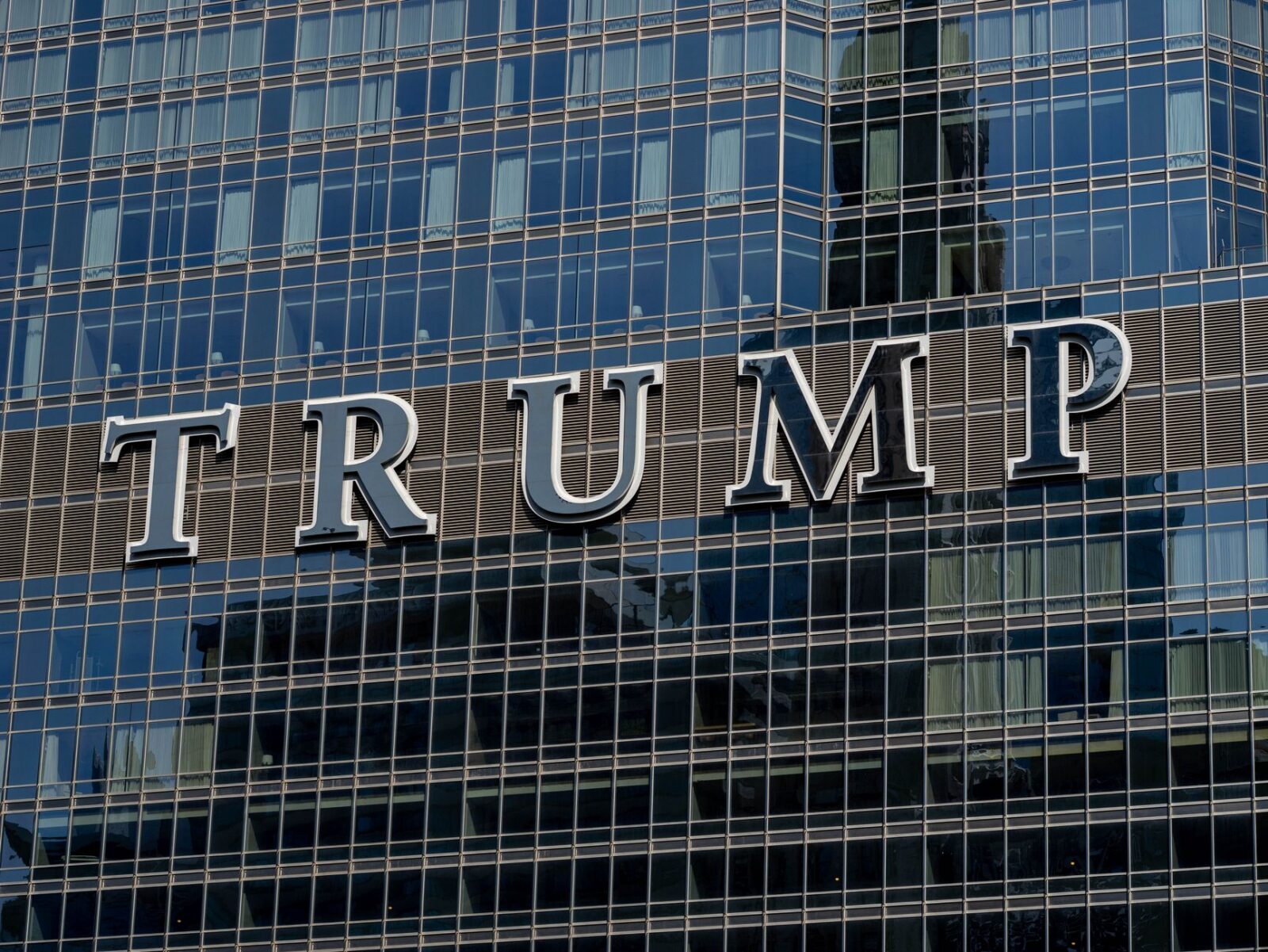
In a significant development on June 28, 2026, Apple Inc. has formally requested the Trump White House to intervene on behalf of a Chinese semiconductor supplier facing potential inclusion on a U.S. blacklist. This plea marks a pivotal moment in U.S.-China trade relations and underscores the complexities of global supply chains in the technology sector.
The Chinese supplier in question, which remains unnamed in the reports, is integral to Apple’s manufacturing processes, particularly in the production of critical components for its devices. Apple executives argue that blacklisting this supplier could severely disrupt its supply chain, which has already been strained by previous trade tensions and chip shortages. This move comes amid ongoing discussions within the U.S. administration about tightening restrictions on Chinese technology firms, a policy direction that has been a hallmark of the Trump administration’s economic strategy.
This situation is particularly pressing given the backdrop of escalating geopolitical tensions between the U.S. and China. The potential blacklisting reflects broader concerns about national security and technological dominance, as the U.S. seeks to curb China’s influence in the semiconductor industry. For Apple, a company that relies heavily on Chinese manufacturing, the stakes are high; a disruption could lead to delays in product launches and increased costs, ultimately affecting consumers and investors alike.
Looking forward, the outcome of this request could set a precedent for how U.S. companies navigate the increasingly fraught landscape of international trade. If the Trump administration decides to heed Apple’s plea, it could indicate a willingness to balance national security interests with economic realities. Conversely, failure to intervene may prompt Apple and other tech firms to reevaluate their supply chain strategies, potentially accelerating a shift towards more localized production or alternative suppliers outside of China.
Source: The Eastern Herald







Putin Acknowledges Challenges as Ukraine Intensifies Strikes on Russian Territory
Ukraine's increased military operations inside Russia signal a significant escalation in the...
 1 Mins read
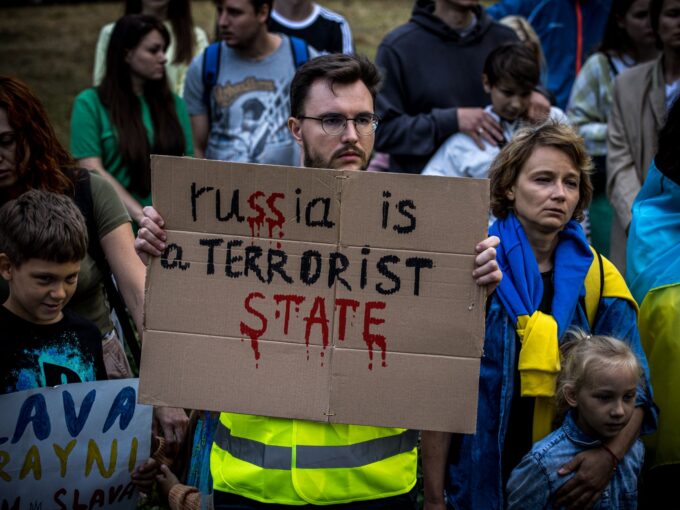
Russia-Ukraine War Escalates with Renewed Attacks on Key Cities – June 28, 2026
The escalation of attacks in Ukraine underscores the fragility of European security...
1 Mins read
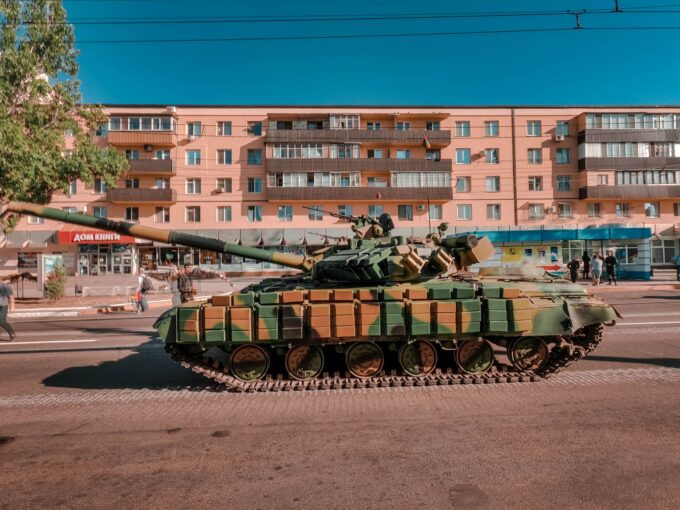
Ukrainian Forces Intensify Operations in Crimea, Prompting Mass Exodus of Russian Civilians
The ongoing military escalation in Crimea is reshaping geopolitical dynamics and raising...
1 Mins read



Russian Hardliners Urge Putin to Intensify Military Action in Ukraine Amid Drone Incursions
The pressure on Putin to escalate military operations in Ukraine grows as...
1 Mins read
Leave a comment