
Putin Acknowledges Challenges as Ukraine Intensifies Strikes on Russian Territory
In a notable admission on June 28, 2026, Russian President Vladimir Putin acknowledged that his nation is facing ‘problems’ amid escalating military operations by Ukraine that have reached deep into Russian territory. This statement follows a series of Ukrainian attacks targeting military installations and supply lines, a strategic shift that underscores Kyiv’s evolving military capabilities and its resolve to reclaim control over contested regions.
The conflict, which has persisted since 2014, has seen a renewed intensity in recent weeks, with Ukraine launching precision strikes using advanced Western-supplied weaponry. These operations, particularly in the Belgorod region, have not only strained Russian military resources but have also provoked a significant political response from the Kremlin. Putin’s comments may reflect internal pressures as public dissatisfaction with the ongoing war grows, particularly in light of mounting casualties and economic repercussions.
This situation is critical on a global scale as it raises alarms about regional stability and the potential for broader conflict. NATO allies are closely monitoring the developments, as Ukraine’s success could embolden other nations facing Russian aggression, while a faltering Russian response might encourage further Western support for Ukraine. The implications extend beyond military strategy; they influence global energy markets, security alliances, and geopolitical dynamics.
Looking ahead, the trajectory of the conflict remains uncertain. If Ukraine continues to successfully disrupt Russian operations, it may force a reevaluation of military strategies on both sides. Conversely, an intensified Russian counteroffensive could lead to an escalation of hostilities, drawing in greater international involvement. The coming days and weeks will be crucial in determining the future of this conflict and its ramifications for global security.
Source: The Times of India



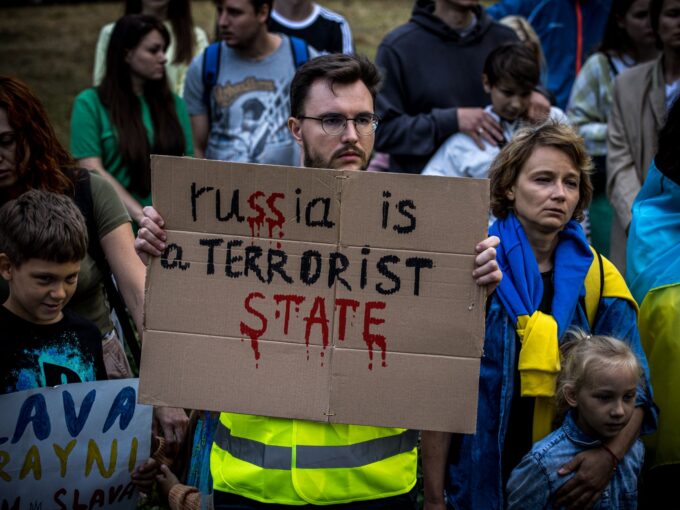
Russia-Ukraine War Escalates with Renewed Attacks on Key Cities – June 28, 2026
The escalation of attacks in Ukraine underscores the fragility of European security...
 1 Mins read
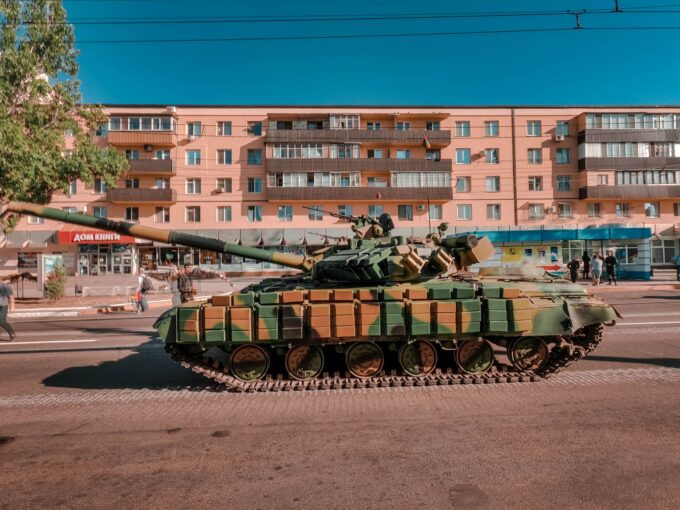
Ukrainian Forces Intensify Operations in Crimea, Prompting Mass Exodus of Russian Civilians
The ongoing military escalation in Crimea is reshaping geopolitical dynamics and raising...
1 Mins read
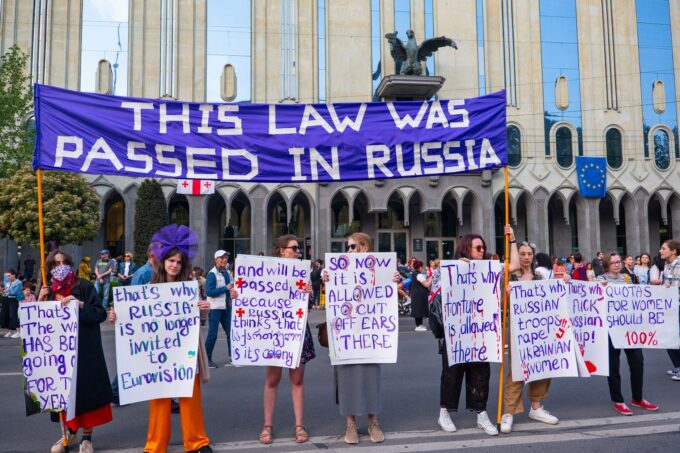
Russian Hardliners Urge Putin to Intensify Military Action in Ukraine Amid Drone Incursions
The pressure on Putin to escalate military operations in Ukraine grows as...
1 Mins read



Kai Trump Displays White House Access Amidst Growing Criticism
Kai Trump's visibility at the White House raises concerns about nepotism and...
1 Mins read
Leave a comment