
Bill Maher Receives Honor from Kennedy Center Amid Political Turmoil
On June 28, 2026, the Kennedy Center awarded comedian Bill Maher with a prestigious honor, acknowledging his significant contributions to the field of humor and public discourse. This accolade arrives at a time when the cultural and political landscape in the United States remains deeply fragmented, particularly in the aftermath of the Trump administration’s controversial legacy. Maher, known for his incisive commentary and satirical approach to current events, has long been a polarizing figure, drawing both acclaim and criticism for his willingness to tackle contentious issues head-on.
The Kennedy Center’s decision to honor Maher is emblematic of an ongoing struggle within the arts community to navigate the tumultuous political climate that has emerged since the Trump era. As institutions like the Kennedy Center seek to reaffirm their commitment to free expression and artistic integrity, they also face mounting pressure from various factions advocating for different narratives and perspectives. This balancing act is crucial, as the arts play a vital role in shaping public opinion and fostering dialogue in a society increasingly characterized by division.
Globally, Maher’s recognition resonates beyond American borders, as it underscores a broader trend where humor and satire are increasingly seen as essential tools for critiquing power and challenging the status quo. In an era marked by misinformation and political strife, the ability to engage audiences through comedy can serve as a powerful catalyst for social change and reflection. The implications of this honor may also encourage other cultural institutions to champion artists who provoke thought and inspire dialogue, thereby reinforcing the importance of the arts in democratic societies.
Looking ahead, the Kennedy Center’s choice to honor Maher could pave the way for similar recognitions of artists who confront uncomfortable truths. As Maher continues to address pressing societal issues through his platform, the impact of his work may inspire a new generation of comedians and thinkers to engage in the complex interplay between humor and politics, further shaping the cultural discourse in the years to come.
Source: The Washington Post








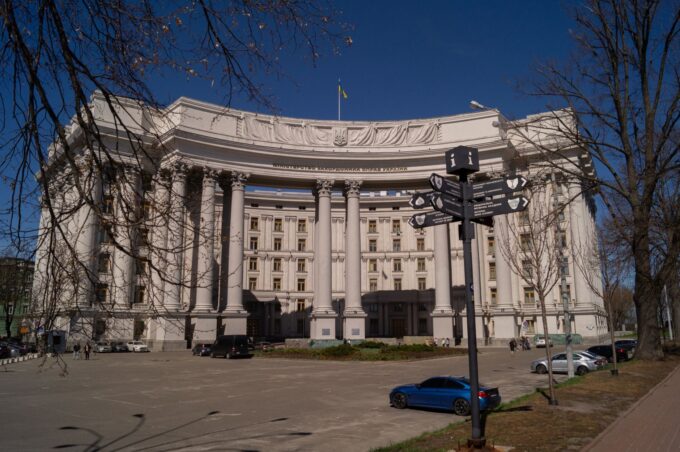
Ukrainian Foreign Ministry Denounces Putin’s Recent Victory Claims
The Ukrainian Foreign Ministry's response to Putin's assertions underscores ongoing tensions and...
 1 Mins read
Wes Moore Critiques Trump’s Approach Amid Iran Deal Fallout
Wes Moore's remarks highlight growing concerns over U.S. foreign policy and its...
1 Mins read

Trump Criticizes Democratic DC Mayor Nominee Janeese Lewis George
Trump's comments on Lewis George signify a pivotal moment in the 2026...
1 Mins read


Biden Mobilizes Democrats at Casino Rally on Debate Anniversary
Biden's rally underscores the Democratic Party's urgency to unify ahead of pivotal...
1 Mins read
Leave a comment