
The Artistic Exodus: A Call for Community Over Competition

The Creative Tapestry of Urban Life
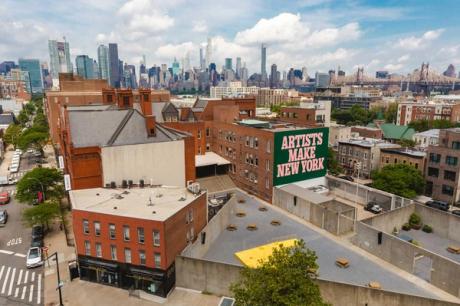
In the bustling metropolises of New York and London, a palpable tension simmers beneath the vibrant veneer of artistic expression. These cities, long regarded as beacons for creativity and innovation, are increasingly becoming battlegrounds for survival rather than sanctuaries for inspiration. As financial pressures mount, artists find themselves grappling with the harsh realities of living in some of the world’s most expensive locales, prompting a critical dialogue about the future of artistic communities.
Confronting Financial Realities
Josh Kline’s recent essay resonates deeply with creatives, as it encapsulates the struggles many face when their artistic ambitions collide with economic constraints. The soaring costs of rent, studio space, and basic living expenses create an environment where the pursuit of art can feel more like a luxury than a viable career. This reality often leads to a stark choice: abandon the dream or conform to the demands of a commercial market that prioritizes profit over passion.
A Shift in Perspective
Amid these challenges, Kline urges a re-evaluation of what it means to be an artist in today’s world. Instead of competing for the fleeting attention of affluent patrons, he advocates for a collective ethos—a community-driven approach where artists support one another rather than vie for scarce resources. This shift not only fosters creativity but also enriches the cultural fabric of the city.
Miami’s Emerging Art Scene
Miami, with its burgeoning art scene, presents a compelling case study in community over competition. The city’s unique blend of cultural influences provides fertile ground for artists seeking to flourish without the oppressive weight of financial strain. Initiatives like the Wynwood Walls and events such as Art Basel Miami Beach showcase a commitment to uplifting local talent, encouraging collaborative projects that transcend traditional market constraints.
Rarity and Significance in Art
As the art market continues to evolve, the significance of provenance and rarity becomes ever more pronounced. Collectors are increasingly drawn to works that tell a story, embodying the struggles and triumphs of the artists behind them. This growing appreciation for the narratives within art provides a dual benefit: it emphasizes the importance of community and collaboration, while also enhancing the market value of pieces that resonate on a deeper level.
Fostering a Supportive Ecosystem
In light of these dynamics, the question arises: how can cities like Miami continue to nurture their artistic communities? By fostering an ecosystem that prioritizes accessibility, mentorship, and collaboration, Miami can position itself as a haven for artists. Local galleries, educational institutions, and non-profit organizations play a crucial role in creating platforms that not only showcase talent but also facilitate meaningful connections among creators.
Conclusion: A Collective Vision for the Future
The conversation around the future of artists in urban centers is more than a mere reflection of economic hardships; it is a call to action for a new paradigm in the art world. By embracing community over competition, cities like Miami can lead by example, demonstrating that the true value of art lies not just in its monetary worth, but in the connections it fosters and the stories it tells. As we navigate these complexities, let us champion a collective vision that empowers artists to thrive, ensuring that creativity remains a vibrant and essential part of our urban landscapes.
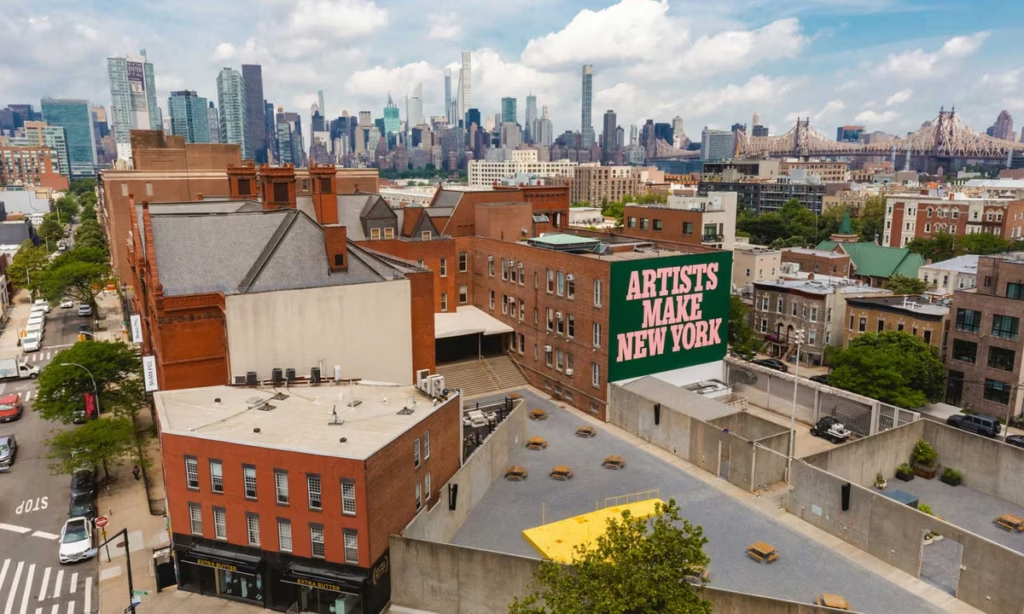
Editorial note: This article was created by A Bit Lavish Miami’s Magazine as an original editorial reinterpretation based on publicly available reporting. Original source: theartnewspaper.com. Read the original article here: https://www.theartnewspaper.com/2026/06/30/comment-why-should-artists-stay-in-cities-like-london-and-new-york.
Images are used for editorial reference with source credit. If an image requires correction or removal, please contact A Bit Lavish.






Labor at the Crossroads: The Guggenheim’s Workers Seek Change
Explore the pivotal moment at the Guggenheim Museum as workers vote to...
 2 Mins read
A Glimmer of Hope: Nisha Bansil’s Artistic Tribute to the Unhoused
Explore Nisha Bansil's poignant sculpture of glass ginkgo leaves, a tribute to...
2 Mins read
A New Chapter: The Swiss Institute’s Permanent Home on the Bowery
Explore the Swiss Institute's exciting transition to a permanent space on the...
2 Mins read



Unveiling the Past: A Revolutionary Archaeological Find in Veracruz
Explore the groundbreaking archaeological discovery in Veracruz, Mexico, revealing unprecedented cultural elements...
2 Mins read

Leave a comment