
Navigating the Future of AI in Science: Insights from Anthropic’s Pioneering Event
Charting New Territories in AI and Science
In a world where artificial intelligence continues to reshape industries, the recent Anthropic event, “AI for Science,” held at San Francisco’s Yerba Buena Center, brought together thought leaders to discuss the intersection of AI and scientific advancement. Dario Amodei, co-founder and CEO of Anthropic, is known for his ambitious predictions, particularly regarding the potential for AI to revolutionize biology and medicine. While he previously suggested a ‘compressed 21st century’ where decades of scientific progress could be achieved in mere years, the focus of this event was to explore the practical implications of AI today, specifically through the unveiling of Claude Science—a sophisticated tool designed for scientific research.
Claude Science: A Leap Forward in Research Tools
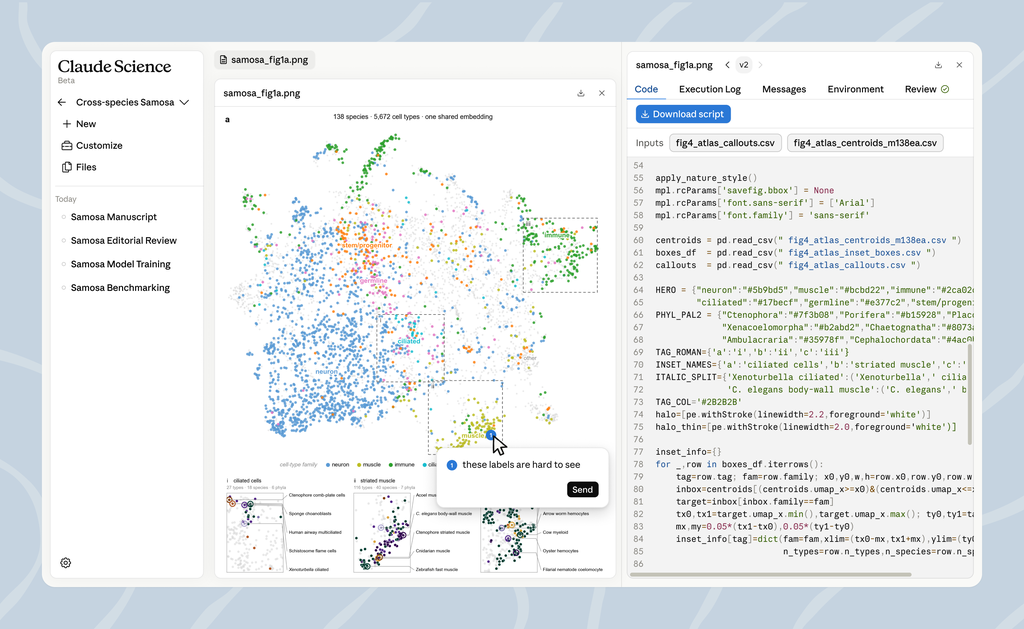
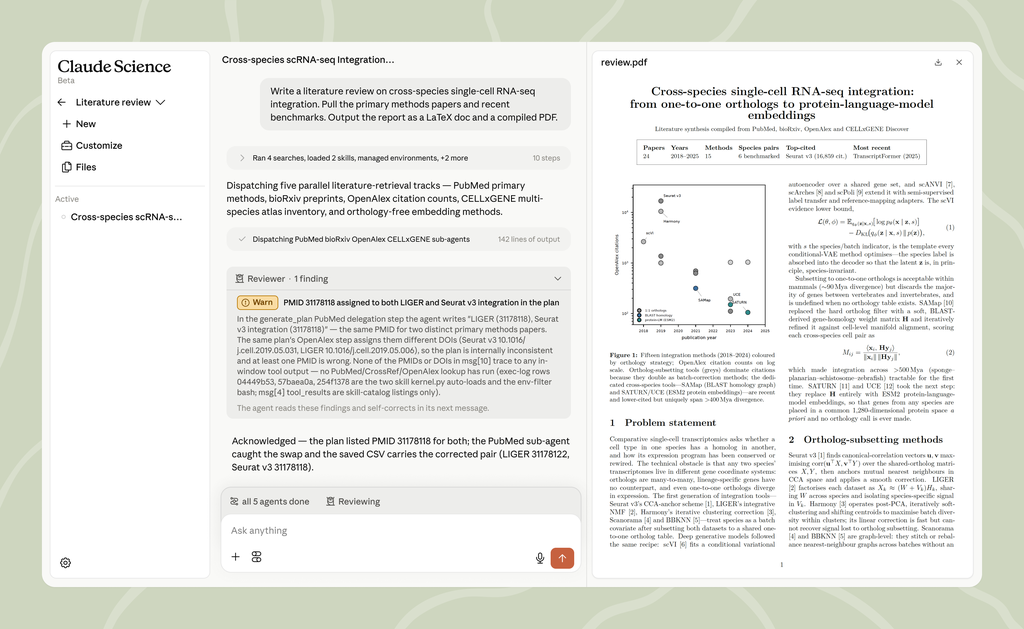
Claude Science represents a significant evolution in AI capabilities, offering a unique blend of chatbot functionality and advanced scientific tools. During the event, Alexander Tarashansky demonstrated the platform’s ability to generate infographics that transform raw data into visually engaging representations, enhancing data comprehension and exploration. As Eric Kauderer-Abrams, Anthropic’s head of life sciences, pointed out, science thrives on visual understanding, and Claude Science aims to elevate this experience.
Although this tool may not directly lead to groundbreaking drug discoveries for the general public, its potential to enrich the scientific process is palpable. The integration of visualization techniques into AI research tools could set a new standard across the tech landscape, prompting other companies to adopt similar features.
Beyond the Cancer Cure: A Broader Perspective on Medical Advancements
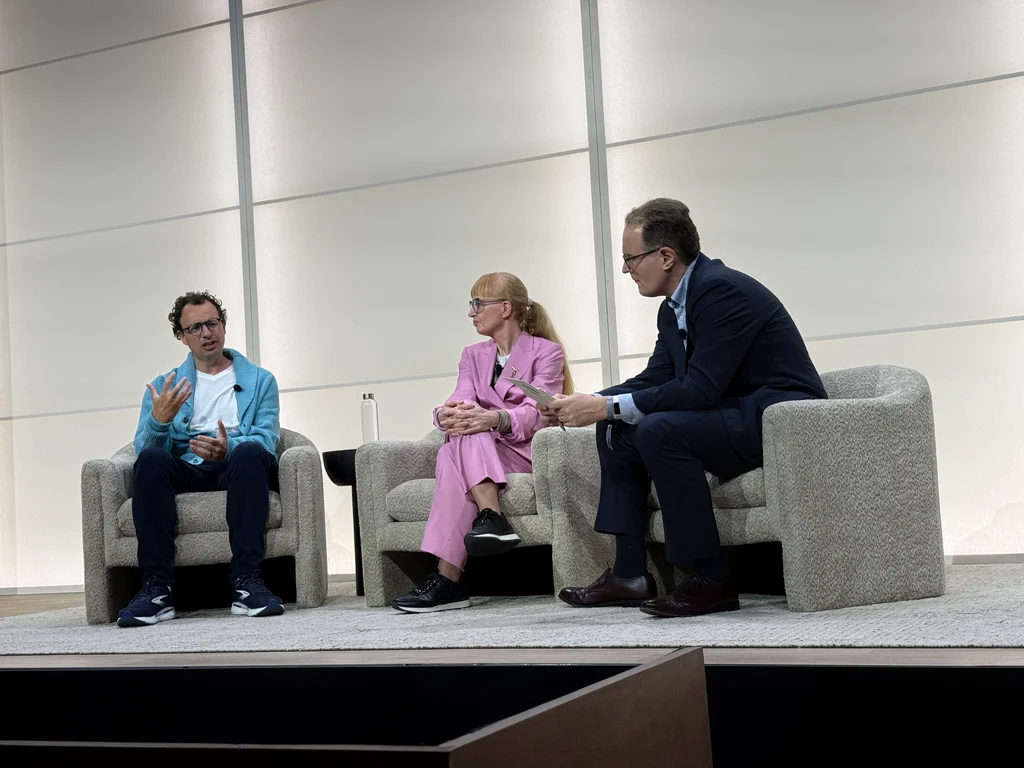
One recurring theme at the event was the overemphasis on monumental breakthroughs, particularly the quest to cure cancer. While the audience shared a collective hope for significant medical advancements, it became clear that the path to progress might be paved with numerous smaller, more manageable developments. Chris Boerner, Bristol Myers Squibb CEO, cautioned against setting unrealistic expectations, emphasizing the necessity for pragmatic goals in AI’s application within healthcare.
This sentiment resonates deeply within Miami’s burgeoning biotech scene, where innovation is often coupled with high hopes. The dialogue encourages a more balanced view, advocating for the recognition of incremental advancements that collectively contribute to significant improvements in healthcare outcomes.
The Limitations of AI in Accelerating Scientific Processes
While the promise of AI offers the potential for expedited scientific discovery, experts at the event underscored the constraints that remain. Lotte Knudsen, a pioneer in GLP-1 research, highlighted the importance of clinical trials, noting that the inherent duration of these processes cannot be drastically shortened, regardless of AI’s capabilities. She remarked on the potential to reduce timelines modestly but cautioned against expectations of a radical overhaul.
This nuanced understanding is critical for Miami’s life sciences community, where the integration of AI must complement the rigor of traditional research methodologies. The real challenge lies in navigating the balance between innovation and the essential structure of scientific inquiry.
The Need for ‘Bilingual’ Scientists
As industries grapple with the complexities of AI, the call for ‘bilingual’ scientists—those fluent in both scientific principles and digital technologies—has grown louder. Knudsen articulated the necessity for professionals who can bridge the gap between traditional science and AI, fostering collaboration that maximizes the potential of both domains. This is particularly relevant in Miami, where the convergence of technology and science is rapidly evolving.
By cultivating a workforce adept at utilizing AI responsibly, the region can position itself as a leader in the integration of advanced technologies in research, enabling teams to leverage AI effectively rather than simply instructing them to ‘use AI.’
Embracing the Reality of AI Hallucinations
One of the more intriguing discussions revolved around the phenomenon of AI hallucinations—instances where AI generates incorrect or nonsensical outputs. Amodei acknowledged that while the technology has improved, hallucinations remain an inherent part of AI’s creative processes. He argued that this aspect is intertwined with the generation of new insights and ideas, suggesting that both human creativity and AI share this blurry boundary between imagination and accuracy.
This candid acknowledgment can help demystify AI’s limitations in scientific applications, fostering a culture of transparency that is essential for public trust. As Miami continues to advance in AI research, such honesty about the technology’s capabilities and shortcomings is crucial for building a sustainable future in science and technology.
Editorial note: This article was created by A Bit Lavish Miami’s Magazine as an original editorial reinterpretation based on publicly available reporting. Original source: fastcompany.com. Read the original article here: https://www.fastcompany.com/91567549/claude-science.
Images are used for editorial reference with source credit. If an image requires correction or removal, please contact A Bit Lavish.









Empowering Midlife: The Art of Personal Branding for Women Over 40
Discover how women over 40 are transforming their careers through personal branding,...
 3 Mins read
The Art of Elevating Innovation: Marketing Beyond the Hype
In today's competitive landscape, great products need strategic storytelling to thrive. Discover...
3 Mins read


Tesla’s Cybercab: A Vision of Innovation or a Missed Opportunity?
Exploring the implications of Tesla's Cybercab ad and its accessibility challenges, underscoring...
2 Mins read

Guardians of Innovation: The Rising Tide of Security Workers in Silicon Valley
Explore the critical role of security workers in Silicon Valley's AI landscape...
2 Mins read