
Russia Reports 1,140 New Casualties in Ukraine Conflict Over 24 Hours
On July 2, 2026, reports from the Ukrainian National News Agency, Ukrinform, indicate that Russian military casualties in the ongoing conflict in Ukraine have surged by 1,140 within a single day. This alarming figure highlights the sustained and increasing intensity of hostilities as Russia continues its military operations in the region, which began in early 2022.
The current situation involves not only the Russian military but also the Ukrainian armed forces, which have been engaged in a protracted struggle to reclaim territories occupied by Russian forces. The recent spike in casualties reflects the broader context of the conflict, where both sides are reportedly mobilizing additional resources and personnel in an effort to gain a strategic advantage. This escalation is particularly concerning as it indicates a possible shift towards a more aggressive phase in the war.
This significant increase in casualties is critical for global leaders and policymakers, as it may influence international diplomatic and military responses. The conflict has already strained relations between Russia and Western nations, leading to a complex web of sanctions, military aid to Ukraine, and heightened tensions across Europe. The ramifications of these developments could reverberate through global markets, particularly in energy sectors, as Russia remains a key player in oil and gas supply.
Looking ahead, the international community must consider the potential for further escalation. If the trend of rising casualties continues, it could prompt more aggressive military strategies from both sides, raising the stakes for direct confrontations. Additionally, the humanitarian impact on civilians caught in the crossfire will likely worsen, necessitating urgent attention from global humanitarian organizations and governments to address the impending crisis.








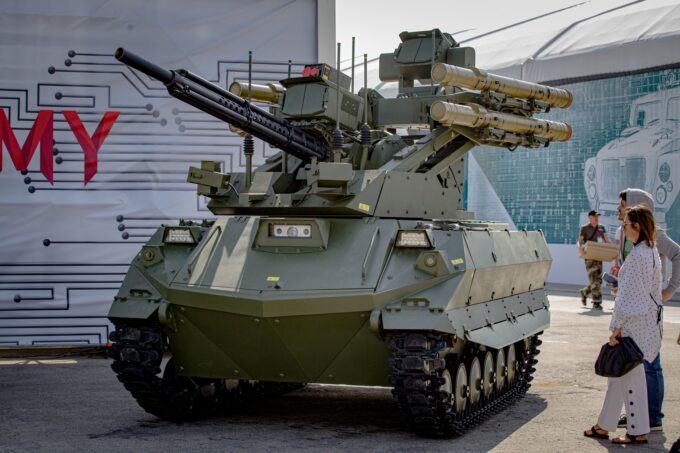
Russian Assault on Kyiv Results in 13 Fatalities and Extensive Damage
The latest Russian offensive underscores the ongoing threat to European stability and...
 1 Mins read
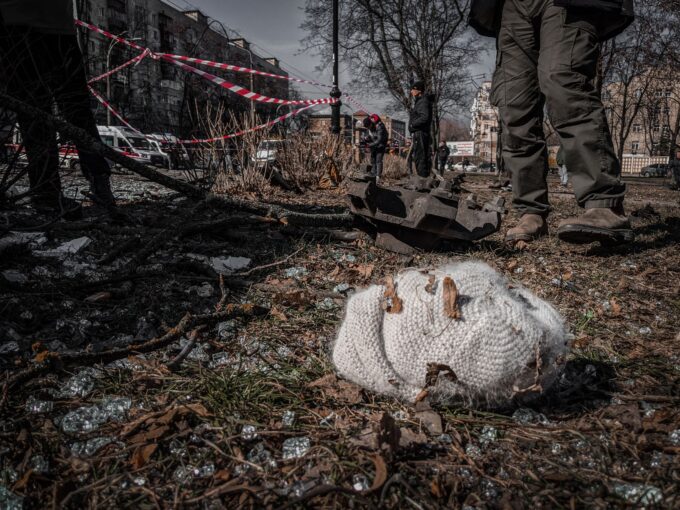
Ukraine War Casualties Exceed 2 Million Amidst Russia’s Heavy Losses
The staggering human toll in the Ukraine conflict underscores the urgent need...
1 Mins read
Russian Attack on Kyiv Results in 10 Deaths and Numerous Injuries
This escalation in violence underscores the fragility of European security and the...
1 Mins read



Estonia’s Kallas Calls for Increased Sanctions Against Russia Following Civilian Attacks
Estonia's Prime Minister Kaja Kallas demands heightened sanctions against Russia amid escalating...
1 Mins read
Leave a comment