
Trump Confirms Netanyahu’s Request for White House Meeting Ahead of Iran Negotiations
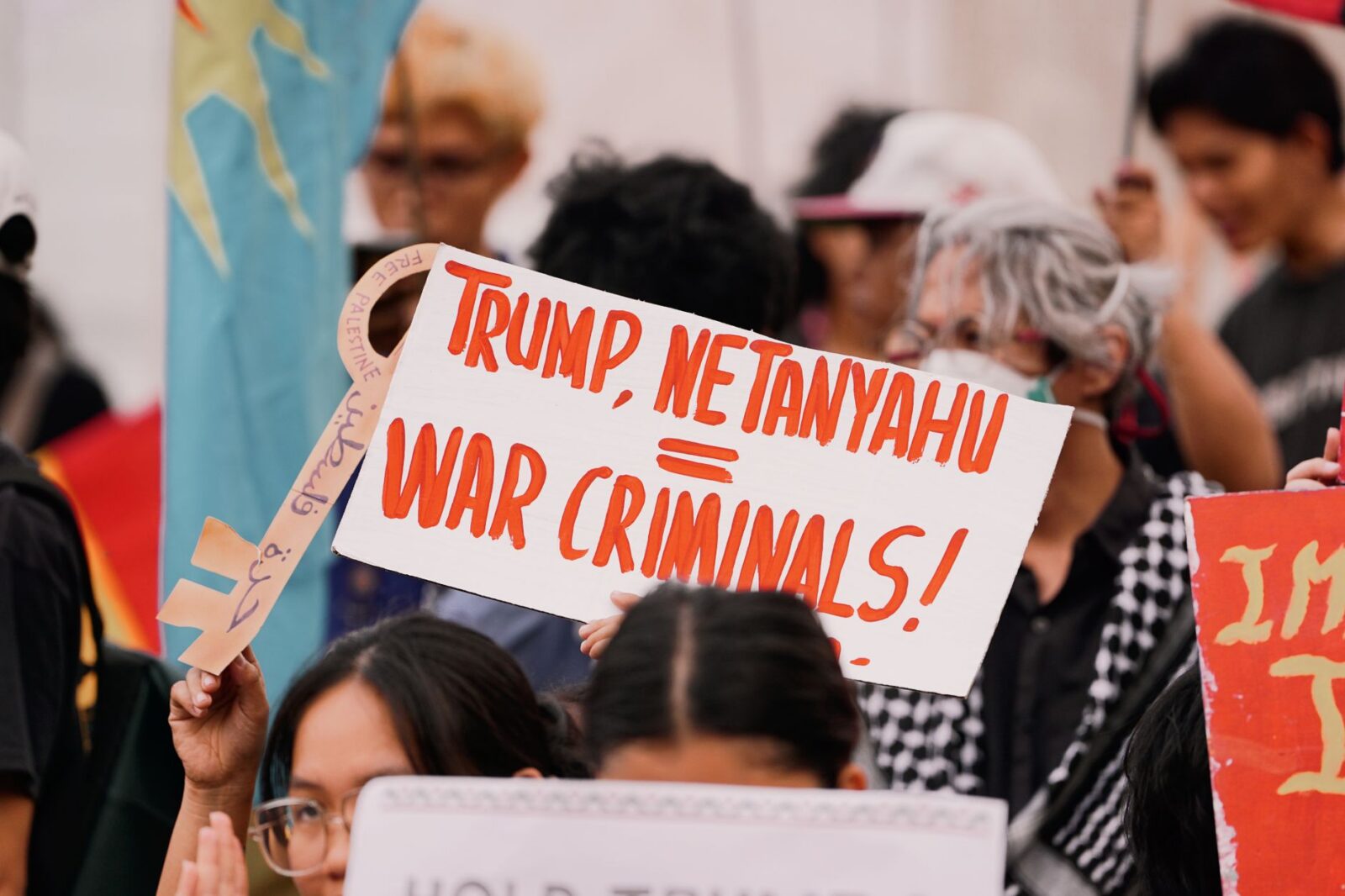
Former President Donald Trump has revealed that Israeli Prime Minister Benjamin Netanyahu requested a meeting at the White House in advance of critical negotiations regarding Iran’s nuclear program. This revelation underscores the ongoing complexities surrounding U.S.-Iran relations and highlights the significant role that Israel plays in shaping American foreign policy in the Middle East.
The context of this meeting is crucial as the Biden administration continues to grapple with the ramifications of the 2015 Iran nuclear deal, formally known as the Joint Comprehensive Plan of Action (JCPOA), which the U.S. withdrew from under Trump in 2018. Netanyahu’s outreach signals Israel’s keen interest in influencing the upcoming discussions, particularly as Iran’s nuclear capabilities have advanced, raising alarms both in Jerusalem and Washington.
Why this matters globally is multifaceted. The potential for renewed tensions in the Middle East, particularly concerning Iran’s nuclear ambitions, poses a direct threat not only to regional stability but also to global markets and security alliances. The U.S. and Israel’s coordinated approach could lead to a more aggressive stance against Iran, impacting diplomatic relations and economic sanctions. Furthermore, the dynamics of U.S.-Israel relations under Trump, who has expressed his dominance in negotiations, may set a precedent for how such talks unfold, potentially sidelining traditional diplomatic channels.
Looking ahead, the outcome of this meeting could have profound implications. Should Trump and Netanyahu agree on a hardline approach, we may see escalated military posturing in the region and a push for more stringent sanctions against Iran. Conversely, any indication of a willingness to engage diplomatically could open avenues for dialogue, albeit fraught with challenges. As the world watches, the stakes in this unfolding scenario are higher than ever, with implications for global peace and security hanging in the balance.
Source: financialexpress.com










Trump Proposes Mediation to Resolve Russia–Ukraine Conflict Amid Ongoing Tensions
Trump's renewed offer to mediate the Russia–Ukraine war highlights shifting geopolitical dynamics...
 1 Mins read

Calls for New European Security Framework Intensify Amidst Ongoing Ukraine Conflict
Global leaders emphasize the urgent need for a redefined European security structure...
1 Mins read

Trump Proposes Mediation to Resolve Ukraine Conflict in Call with Putin
Trump's offer to mediate the Ukraine war underscores a critical geopolitical moment...
1 Mins read



Peskov Acknowledges Shift from ‘Special Military Operation’ to ‘Real War’ in Ukraine
This declaration signals a critical escalation in the Russia-Ukraine conflict, impacting global...
1 Mins read
Leave a comment