
Debate Over Historical Representation Intensifies in Trump’s White House
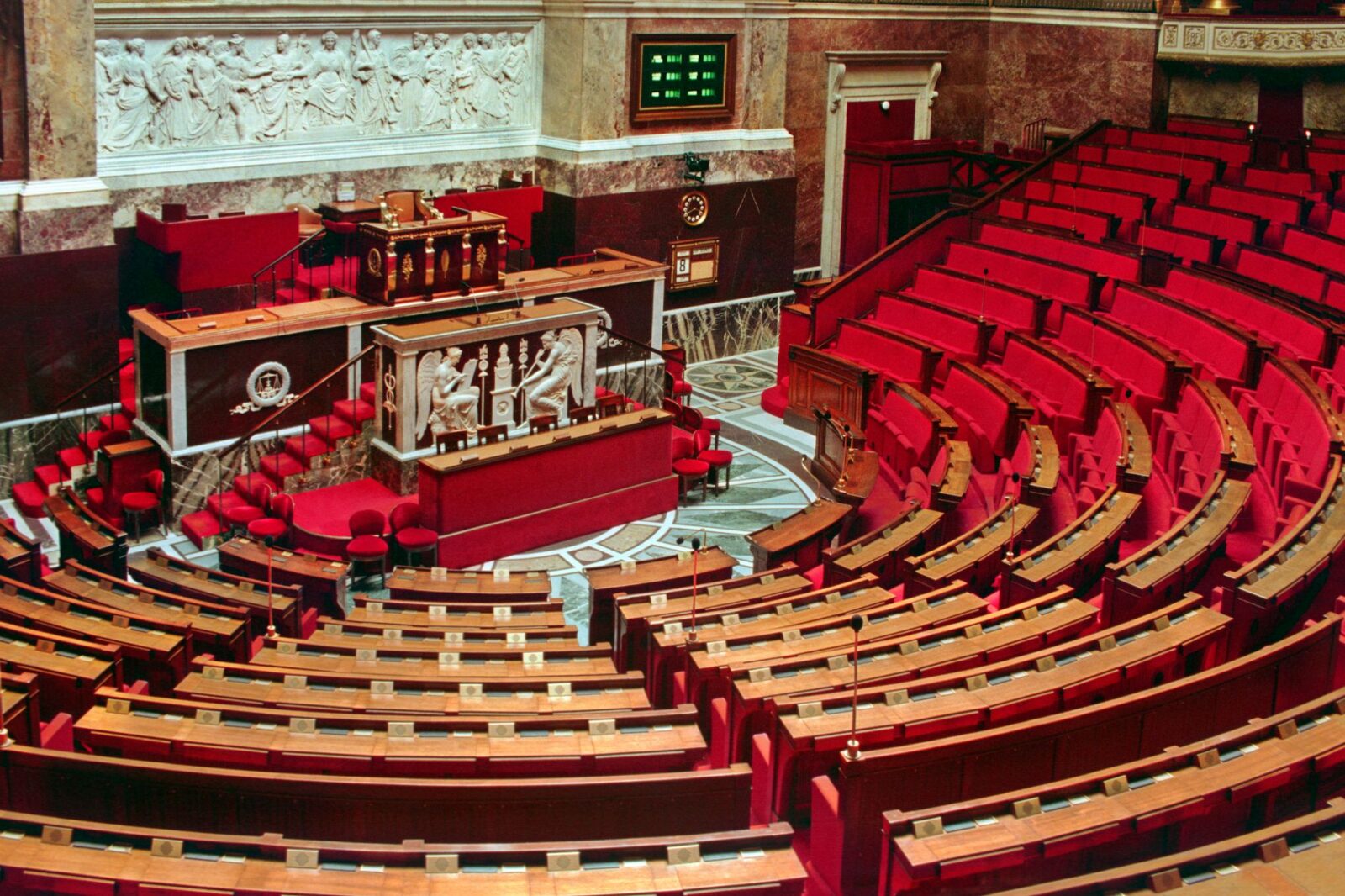
The ongoing debate surrounding the portrayal of America’s founding figures has reached new heights following the unveiling of a controversial painting in former President Donald Trump’s White House. The artwork, which depicts key figures such as Alexander Hamilton and John Adams, erroneously labels them as ‘Tariff Men,’ a term that has drawn sharp criticism from historians and political analysts alike. This development comes at a time when the nation grapples with its historical narrative, particularly in the context of rising populist sentiments across the globe.
Historians have been quick to point out that the founding fathers were not solely defined by their economic policies but were multifaceted leaders who shaped the principles of democracy and individual rights. The reference to ‘Tariff Men’ suggests a narrow interpretation of their contributions, which has implications beyond the United States. As nations worldwide confront their own historical narratives, the framing of America’s founders could influence how other countries perceive their own historical figures and policies.
This matter is particularly pressing as global economic tensions rise, with tariffs and trade policies becoming central to international relations. The misrepresentation of historical figures could exacerbate existing divides, particularly as nations like China and the European Union navigate complex trade agreements with the U.S. The discourse around this painting highlights the importance of historical accuracy in shaping national identity and policy decisions.
Looking ahead, the backlash against the painting may prompt a broader reassessment of how historical narratives are constructed and communicated in political spaces. This incident could serve as a catalyst for educational initiatives aimed at fostering a more nuanced understanding of history, potentially influencing future generations of leaders and policymakers worldwide.
Source: Yahoo








Trump Undermines Ethical Standards Established Post-Watergate
Trump's actions raise critical questions about the erosion of ethical norms in...
 1 Mins read
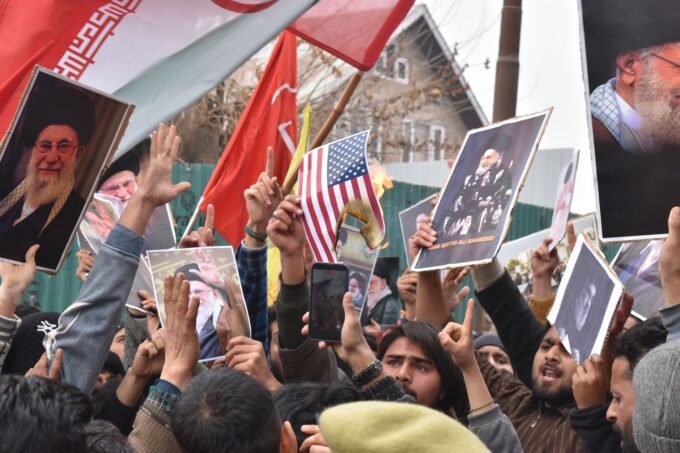
Tensions Escalate as Iran Launches Missile Strikes Against Israeli Targets
Iran's missile strikes against Israeli interests mark a significant escalation in regional...
1 Mins read
Trump Expresses Affection for Bill Clinton Amid Ongoing Feud with Hillary Clinton
Trump’s comments on Clinton signify a complex political landscape, reflecting shifting alliances...
1 Mins read


Trump Asserts Authority Over Netanyahu Ahead of Key Diplomatic Meeting
Trump's comments signal a potential shift in U.S.-Israel relations that could influence...
1 Mins read
Leave a comment