
Navigating the New Landscape: Florida’s Live Local Act and Its Impact on Real Estate

Understanding the Legislative Shift
In a significant development for the South Florida real estate market, Governor Ron DeSantis has signed into law House Bill 1389, which introduces pivotal changes to the Live Local Act. This legislation is poised to alter the dynamics of local governance in housing matters, particularly as it pertains to lawsuits against local entities.
Redefining ‘Person’ in Housing Law
The most notable aspect of the new law is the expanded definition of a “person” within the context of fair housing. Under the revised terms, this definition now encompasses not only individuals but also government agencies and other legal entities. This shift is designed to deter local governments from contesting applications made under the Live Local Act, thereby streamlining the approval process for housing developments.
Implications for Local Governments
By redefining what constitutes a person in legal terms, the new legislation effectively reduces the immunity previously enjoyed by local governments in housing-related lawsuits. In practical terms, this means that if a court determines that a local government has engaged in discriminatory housing practices, it can be held accountable in ways that were not previously possible. This change may lead local governments to exercise greater caution in their housing policies and decisions.

A Shift in Housing Strategy
For real estate developers and investors, the implications of this legislative change are profound. With local governments facing heightened scrutiny and potential legal repercussions, there may be a shift in how housing projects are conceived and executed. Developers could find an expedited approval process, as municipalities may seek to avoid the risk of litigation by facilitating developments that align with the Live Local Act.
Investment Opportunities on the Horizon
The alterations brought by House Bill 1389 may lead to a burgeoning of new investment opportunities in the Miami real estate market. With local governments potentially more amenable to housing projects, investors could see a wave of new developments materializing. Areas that once faced significant opposition from local authorities may become hotspots for new construction, catering to the growing demand for housing in South Florida.
Challenges Ahead
While the intentions behind the Live Local Act may be to enhance housing availability, the new legal landscape does not come without its challenges. The increased risk of litigation could deter some local governments from aggressive housing initiatives, creating a paradox where the very entities tasked with promoting housing development become more cautious in their approach.
Looking Forward: A New Era for Miami Real Estate
As Miami continues to thrive as a desirable destination for investment, the implications of the Live Local Act will be closely monitored by stakeholders across the real estate spectrum. The interplay between local governance and housing development will be pivotal in shaping the future of the market. Investors, developers, and residents alike will need to adapt to this evolving landscape, navigating the balance between opportunity and responsibility in the realm of housing.
Editorial note: This article was created by A Bit Lavish Miami’s Magazine as an original editorial reinterpretation based on publicly available reporting. Original source: therealdeal.com. Read the original article here: https://therealdeal.com/miami/2026/07/05/florida-live-local-bill-limits-local-government-immunity/.
Images are used for editorial reference with source credit. If an image requires correction or removal, please contact A Bit Lavish.







A New Era of Luxury: The Ritz-Carlton Residences Fort Lauderdale Beach
Explore the unveiling of The Ritz-Carlton Residences at Fort Lauderdale Beach, featuring...
 3 Mins read
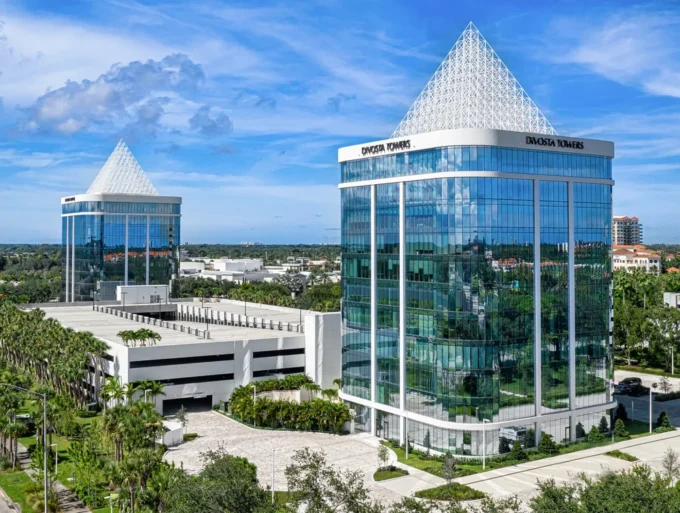
Refining Excellence: Gatsby Florida’s Strategic Move in Palm Beach Gardens
Gatsby Florida secures a $100.4 million refinancing for DiVosta Towers, showcasing Palm...
2 Mins read

Villa Skyfall: A Pinnacle of Luxury in Delray Beach’s Billionaire’s Row
Explore Villa Skyfall, the latest offering from celebrity developer Aldo Stark, set...
2 Mins read



Edgewater’s Architectural Jewel: LCOR Secures Major Financing for Luxury Living
Discover how LCOR's new Edgewater tower is set to redefine luxury apartment...
2 Mins read

Leave a comment