
FIFA Overturns Red Card for Folarin Balogun Amid Controversy

On July 6, 2026, FIFA announced the reversal of the red card issued to U.S. Men’s National Team forward Folarin Balogun during a recent World Cup qualifier against Costa Rica. The incident, which occurred in the 75th minute of the match, sparked immediate controversy and debate over the influence of political entities in sports governance.
The red card, initially viewed as a pivotal moment in the match, was met with widespread criticism from fans and analysts alike, claiming it was a harsh decision that undermined the integrity of the game. FIFA’s decision to overturn the card is seen as a significant move, particularly given the high-profile nature of the match and its implications for the U.S. team’s chances of qualifying for the World Cup.
This incident also underscores the intertwined nature of international sports and global politics. With the U.S. government, notably through anonymous sources, reportedly advocating for a review of the decision, the situation raises questions about the influence of national interests in the realm of sports. As the United States positions itself as a leader in international sports, the Balogun case could set a precedent for future interactions between governmental bodies and sports organizations.
Looking ahead, the decision may lead to increased scrutiny of referee decisions in high-stakes matches, potentially prompting FIFA to revise its review processes. Furthermore, the diplomatic implications of this incident could influence future FIFA governance, as nations may feel emboldened to intervene in officiating controversies that affect their national teams. This scenario invites further examination of the balance between sports integrity and political influence, a topic that will likely resonate in the corridors of power worldwide.
Source: news.meaww.com






Pope Leo XIV Remains Isolated at the Vatican Amidst Global Tensions
The isolation of Pope Leo XIV underscores the Vatican's precarious position in...
 1 Mins read
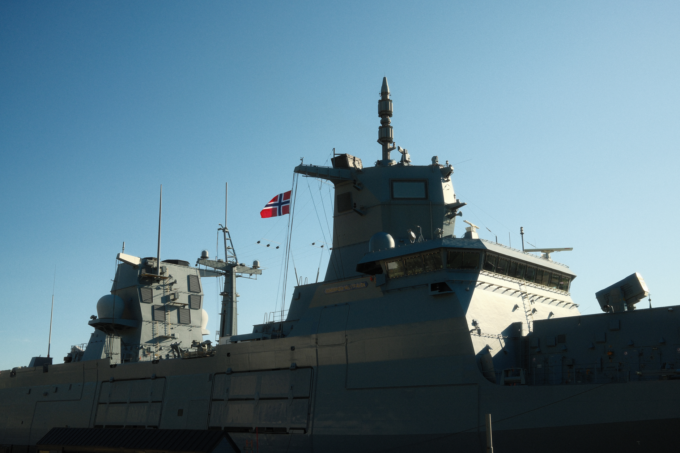
NATO Summit 2026 Addresses Defence Spending, Ukraine Crisis, and Iran Tensions
The NATO Summit 2026 is crucial as global security dynamics shift amid...
1 Mins read
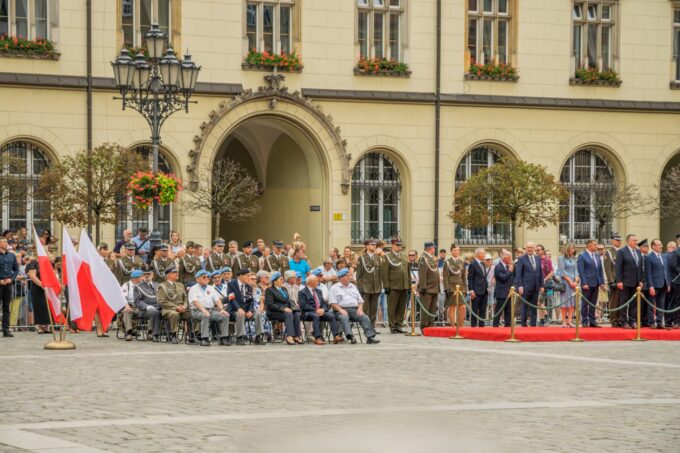
NATO Leaders Meet in Ankara to Discuss Ukraine Aid and Defense Spending
NATO's discussions in Ankara are pivotal as they shape global security dynamics...
1 Mins read



Russia Launches Strikes on Ukraine, Highlighting Air Defense Vulnerabilities Ahead of NATO Summit
The recent Russian strikes on Ukraine underscore critical air defense gaps, raising...
1 Mins read
Leave a comment