
Trump Presses NATO on Defense Spending Amidst Global Security Concerns
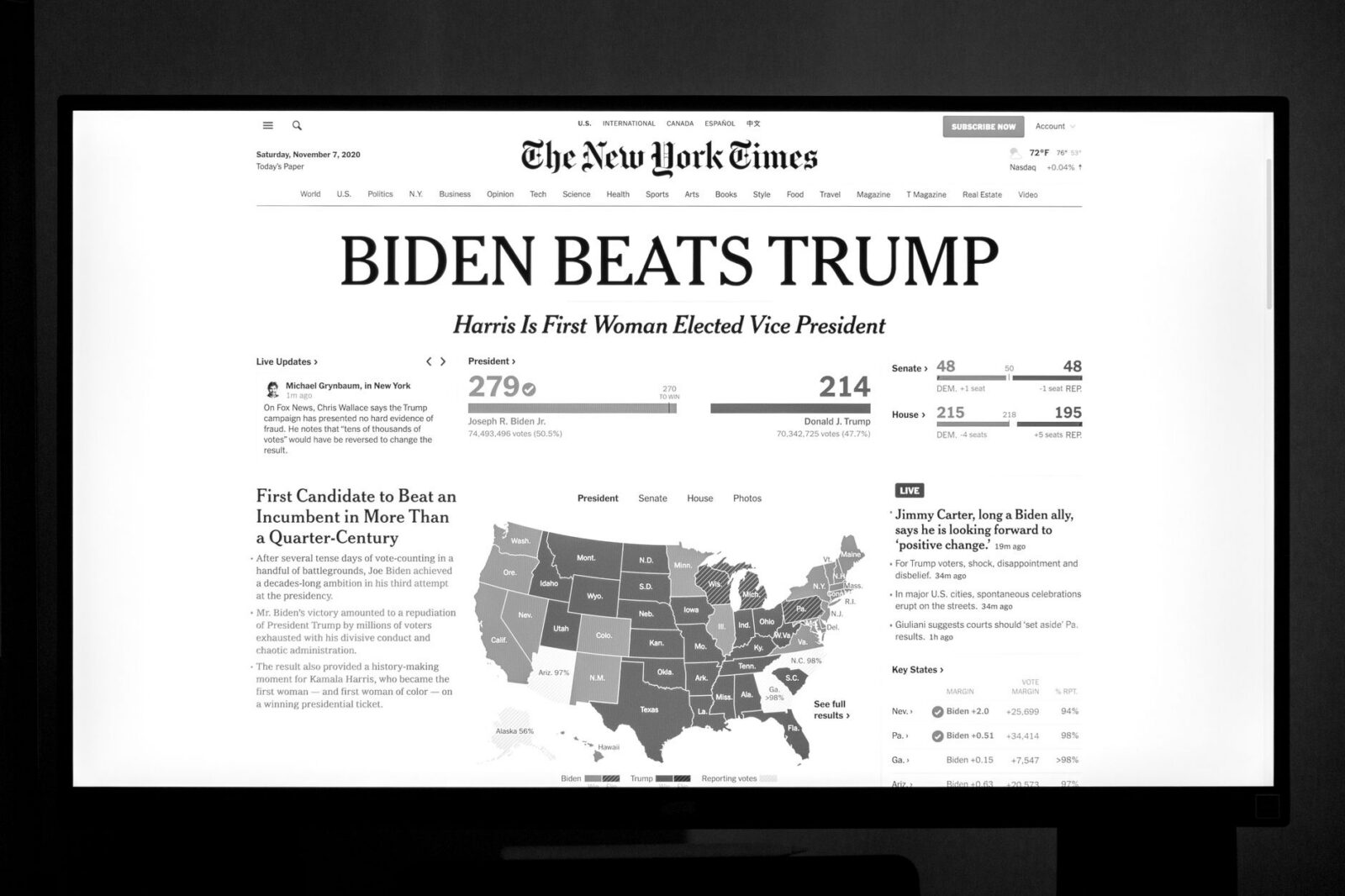
In a significant development, former President Donald Trump is set to engage NATO leaders in discussions focusing on defense spending commitments. This initiative comes as part of his ongoing efforts to reshape U.S. foreign policy priorities, particularly in light of current global security challenges. The White House has confirmed that Trump will advocate for increased financial contributions from NATO member states, emphasizing the necessity for allies to meet the alliance’s defense spending target of 2% of GDP.
The context for Trump’s renewed push is critical, as NATO faces heightened threats from state and non-state actors alike. With Russia’s military maneuvers in Eastern Europe and ongoing tensions in the Indo-Pacific region, the urgency for NATO unity and readiness has never been more pronounced. Trump’s stance resonates with his previous administration’s approach, which often prioritized burden-sharing among allies and sought to recalibrate America’s defense commitments.
This issue holds global significance, particularly as the geopolitical landscape evolves. Countries such as Germany, which has historically lagged in defense spending, are under increasing pressure to bolster their military capabilities. The outcome of Trump’s discussions could influence not only NATO’s operational effectiveness but also the broader international security architecture. Should member states fail to increase their defense budgets, the alliance may struggle to respond adequately to emerging threats.
Looking ahead, the implications of these talks could be profound. If NATO members acquiesce to Trump’s demands, we may witness a shift in military spending dynamics across Europe, potentially leading to enhanced collective defense measures. Conversely, resistance to increased spending could exacerbate transatlantic tensions and raise questions about the future of U.S. involvement in NATO. As the world watches, the stakes are high for both the alliance and global security stability.
Source: Social News XYZ




Pope Leo XIV Remains Isolated at the Vatican Amidst Global Tensions
The isolation of Pope Leo XIV underscores the Vatican's precarious position in...
 1 Mins read
NATO Summit 2026 Addresses Defence Spending, Ukraine Crisis, and Iran Tensions
The NATO Summit 2026 is crucial as global security dynamics shift amid...
1 Mins read
NATO Leaders Meet in Ankara to Discuss Ukraine Aid and Defense Spending
NATO's discussions in Ankara are pivotal as they shape global security dynamics...
1 Mins read


Russia Launches Strikes on Ukraine, Highlighting Air Defense Vulnerabilities Ahead of NATO Summit
The recent Russian strikes on Ukraine underscore critical air defense gaps, raising...
1 Mins read
Leave a comment