
Indigenous Peoples in Russia Reported to Be Forcibly Recruited for Ukraine Conflict
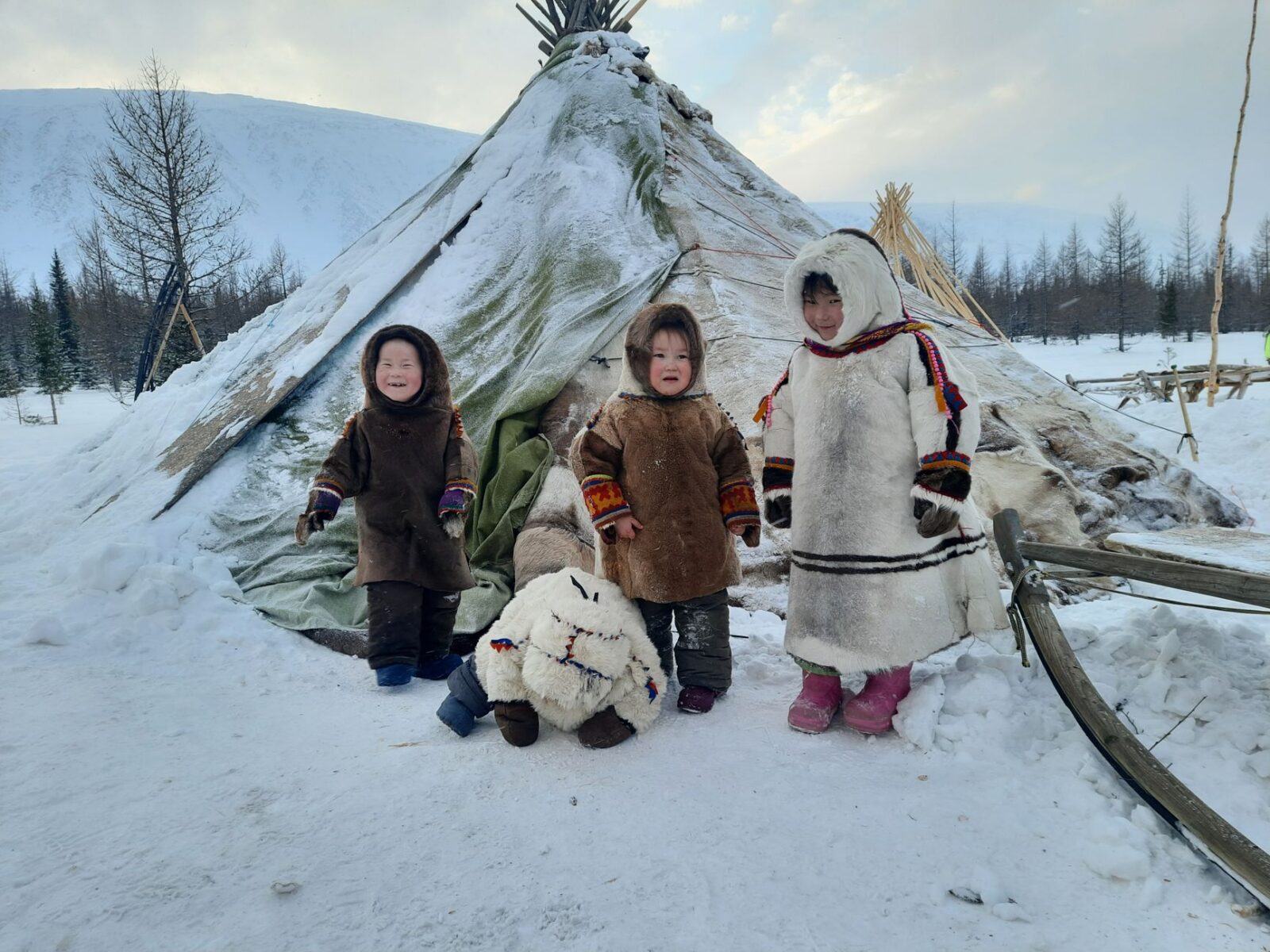
Reports have emerged indicating that Indigenous peoples in Russia are facing forced conscription to participate in the ongoing conflict in Ukraine. Ibragim Yaganov, a prominent advocate for Indigenous rights, has brought attention to this alarming situation, asserting that members of these communities are being coerced into military service against their will. This development raises profound concerns regarding the treatment of marginalized groups within Russia, particularly in the context of an already contentious and protracted conflict.
The involvement of Indigenous populations, who have historically faced marginalization and discrimination, underscores the broader implications of Russia’s military strategies as it seeks to bolster its forces in Ukraine. The recruitment of these groups not only reflects a troubling disregard for human rights but also raises questions about the Kremlin’s commitment to international norms regarding consent and autonomy. Yaganov’s statements highlight the urgent need for global scrutiny and intervention regarding the treatment of Indigenous peoples in conflict zones.
This situation matters now more than ever as it intersects with global discussions about human rights, military ethics, and the responsibilities of states to protect vulnerable populations. The forced conscription of Indigenous peoples could provoke international condemnation and potentially lead to sanctions or other diplomatic actions against Russia. Additionally, it may inspire increased advocacy and solidarity movements within and outside of Indigenous communities, further complicating Russia’s domestic and international standing.
Looking ahead, the international community must remain vigilant and responsive to these developments. Increased pressure on Russia from human rights organizations and foreign governments may be necessary to halt these practices. Furthermore, if the situation escalates, it could lead to a broader conversation about the role of Indigenous rights in global conflicts, potentially reshaping policies and responses to similar issues worldwide.
Source: Report.az









Trump Addresses Foreign Interference and Voting Security in Upcoming Speech
Trump's focus on election integrity raises critical questions about democratic processes and...
 1 Mins read

Grassley Interrogates Attorney General Nominee Blanche in Senate Hearing
The outcome of this hearing could reshape U.S. legal policy and governance...
1 Mins read

Blake Garrett’s Cause of Death Confirmed as Fentanyl Overdose
The untimely death of actor Blake Garrett underscores the ongoing opioid crisis...
1 Mins read


Kelli Potter Faces Potential Bank Account Seizure Over Significant Unpaid Debt
The financial troubles of public figures like Kelli Potter raise concerns about...
1 Mins read

Leave a comment