
EU Defense Stocks Surge Amid NATO Chief’s Warnings on Contractor Challenges
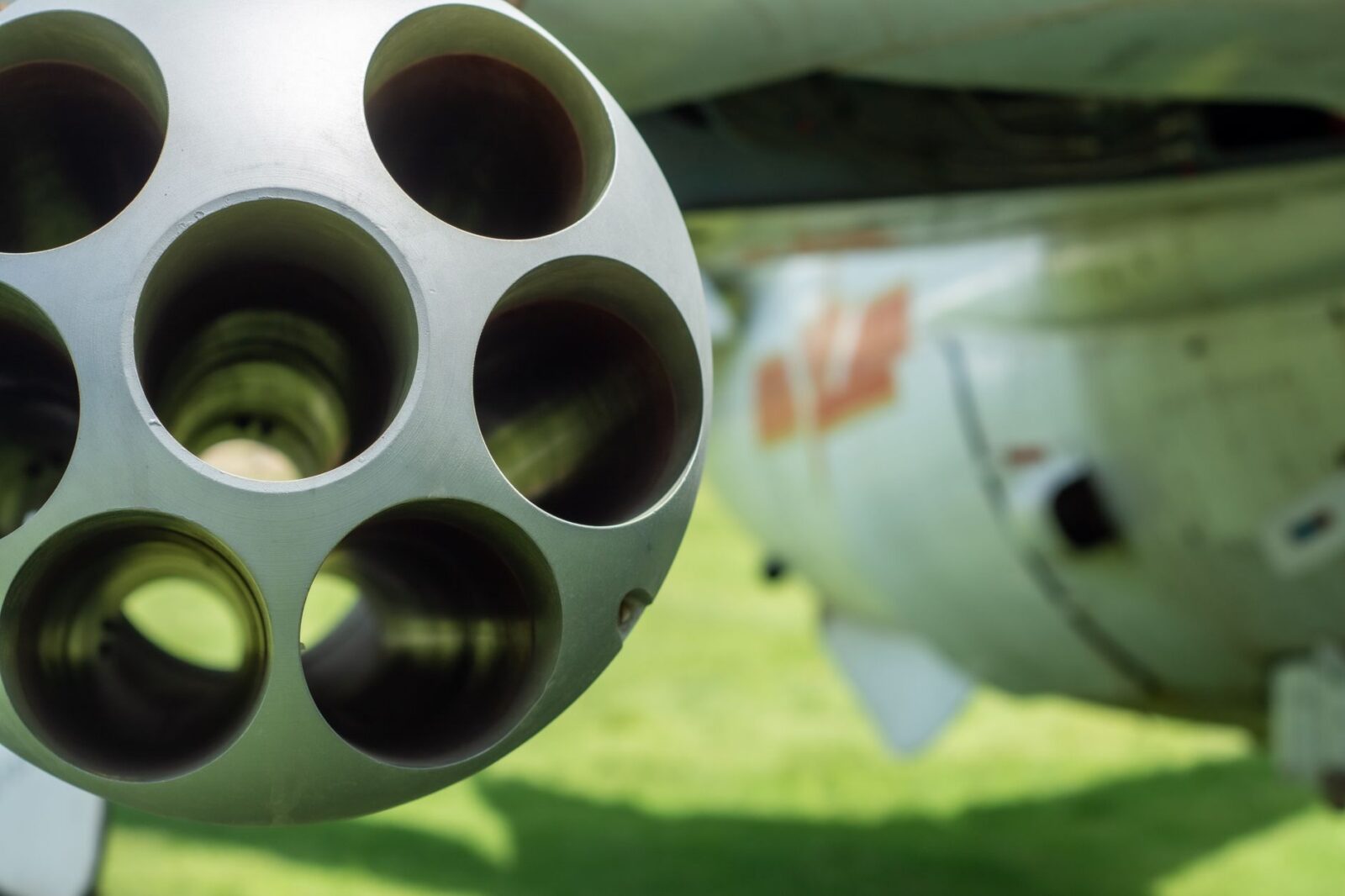
In a significant development for the European defense sector, EU defense stocks have experienced notable gains following comments from NATO Secretary General Jens Stoltenberg, who highlighted the ongoing struggles faced by defense contractors to meet escalating demands. This surge in stock prices reflects a broader recognition of the urgent need for military readiness amid increasing geopolitical tensions, particularly in Eastern Europe and the Indo-Pacific region.
Stoltenberg’s remarks, made during a press briefing on July 6, 2026, emphasized that NATO member countries are facing unprecedented challenges in acquiring and maintaining defense capabilities. He pointed out that contractors are unable to keep pace with the rapid demands placed upon them, which is particularly concerning as NATO works to bolster its deterrent posture against potential threats from Russia and China. The implications of these challenges extend beyond just military logistics; they signal a critical juncture for defense investments and strategic planning across the alliance.
This situation matters globally as it reflects the interconnected nature of defense capabilities and international security. As nations grapple with rising defense expenditures, the EU’s focus on enhancing its military capabilities becomes increasingly vital not only for regional stability but also for global security dynamics. The upward trend in defense stocks indicates investor confidence in the sector’s potential growth, driven by government spending and the urgent need for modernization.
Looking ahead, if NATO member states are unable to resolve these contractor issues, the alliance may find itself at a strategic disadvantage. This could lead to increased military spending, potential delays in defense projects, and a re-evaluation of defense strategies. Furthermore, as nations prioritize their defense capabilities, the ripple effects on global arms markets and international relations could be profound, necessitating close attention from policymakers and investors alike.
Source: Investing.com








Pope Leo XIV Remains Isolated at the Vatican Amidst Global Tensions
The isolation of Pope Leo XIV underscores the Vatican's precarious position in...
 1 Mins read
NATO Summit 2026 Addresses Defence Spending, Ukraine Crisis, and Iran Tensions
The NATO Summit 2026 is crucial as global security dynamics shift amid...
1 Mins read
NATO Leaders Meet in Ankara to Discuss Ukraine Aid and Defense Spending
NATO's discussions in Ankara are pivotal as they shape global security dynamics...
1 Mins read


Russia Launches Strikes on Ukraine, Highlighting Air Defense Vulnerabilities Ahead of NATO Summit
The recent Russian strikes on Ukraine underscore critical air defense gaps, raising...
1 Mins read

Leave a comment