
Russia Launches Strikes on Ukraine, Highlighting Air Defense Vulnerabilities Ahead of NATO Summit
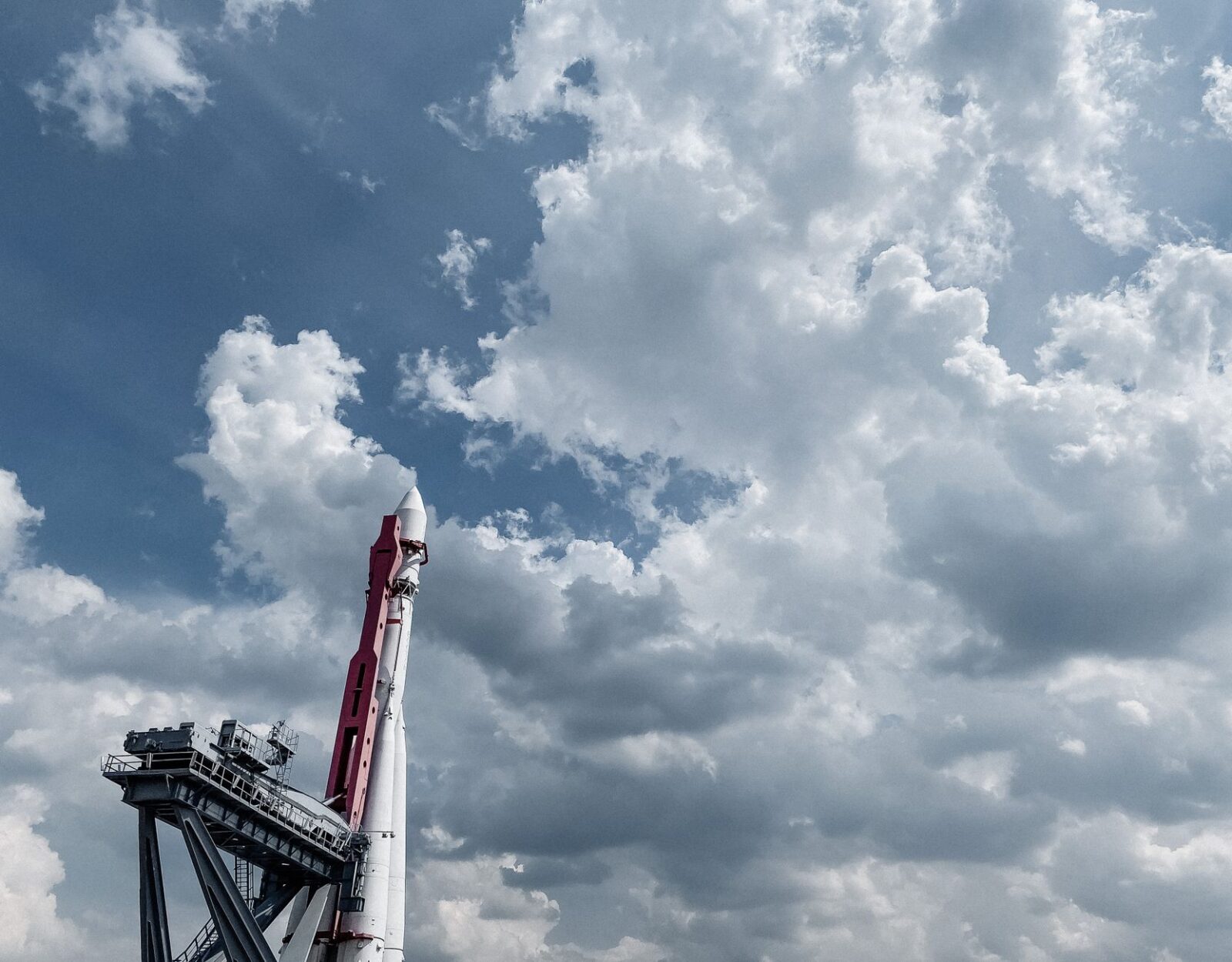
On July 6, 2026, Russian military forces executed a series of coordinated aerial strikes targeting key infrastructure across Ukraine, marking a significant escalation in the ongoing conflict. Reports indicate that multiple cities, including Kyiv and Kharkiv, were affected, resulting in substantial damage to civilian facilities and underscoring vulnerabilities in Ukraine’s air defense systems. This development comes just days ahead of the NATO summit, where member states will convene to reassess their collective security strategies in light of the evolving geopolitical landscape.
The strikes, attributed to an increase in Russian military activity, have raised alarms not only within Ukraine but also among NATO allies. Ukrainian officials have expressed deep concerns regarding the efficacy of their air defense capabilities, which were already under scrutiny following previous engagements. The effectiveness of Ukraine’s defense against aerial threats is critical, as it directly impacts the country’s ability to protect civilian lives and maintain its sovereignty against external aggression.
This situation carries profound implications for global security dynamics. As NATO prepares for its summit, the inadequacies of Ukraine’s air defense systems could influence the discussions around military support and strategic assistance. With the alliance seeking to bolster its eastern flank, the outcomes of these talks are likely to shape defense policies and military aid commitments in the coming months. Moreover, the international community is watching closely, as the potential for further escalations could destabilize not just the region but also global markets and security alliances.
Looking ahead, the ramifications of this incident could be far-reaching. If NATO responds with increased military aid or a shift in defense posture, it may provoke further retaliatory actions from Moscow, escalating tensions. Conversely, a lack of decisive action could embolden Russian aggression, potentially leading to a protracted conflict with wider implications for European stability and security.
Source: Bloomberg.com




Pope Leo XIV Remains Isolated at the Vatican Amidst Global Tensions
The isolation of Pope Leo XIV underscores the Vatican's precarious position in...
 1 Mins read
NATO Summit 2026 Addresses Defence Spending, Ukraine Crisis, and Iran Tensions
The NATO Summit 2026 is crucial as global security dynamics shift amid...
1 Mins read
NATO Leaders Meet in Ankara to Discuss Ukraine Aid and Defense Spending
NATO's discussions in Ankara are pivotal as they shape global security dynamics...
1 Mins read


European Defense Stocks Surge as NATO Spending Decisions Approach
NATO's impending spending decisions are driving retail investor interest in European defense...
1 Mins read
Leave a comment