
Unveiling the Tapestry of Design: 125 Objects That Define Us
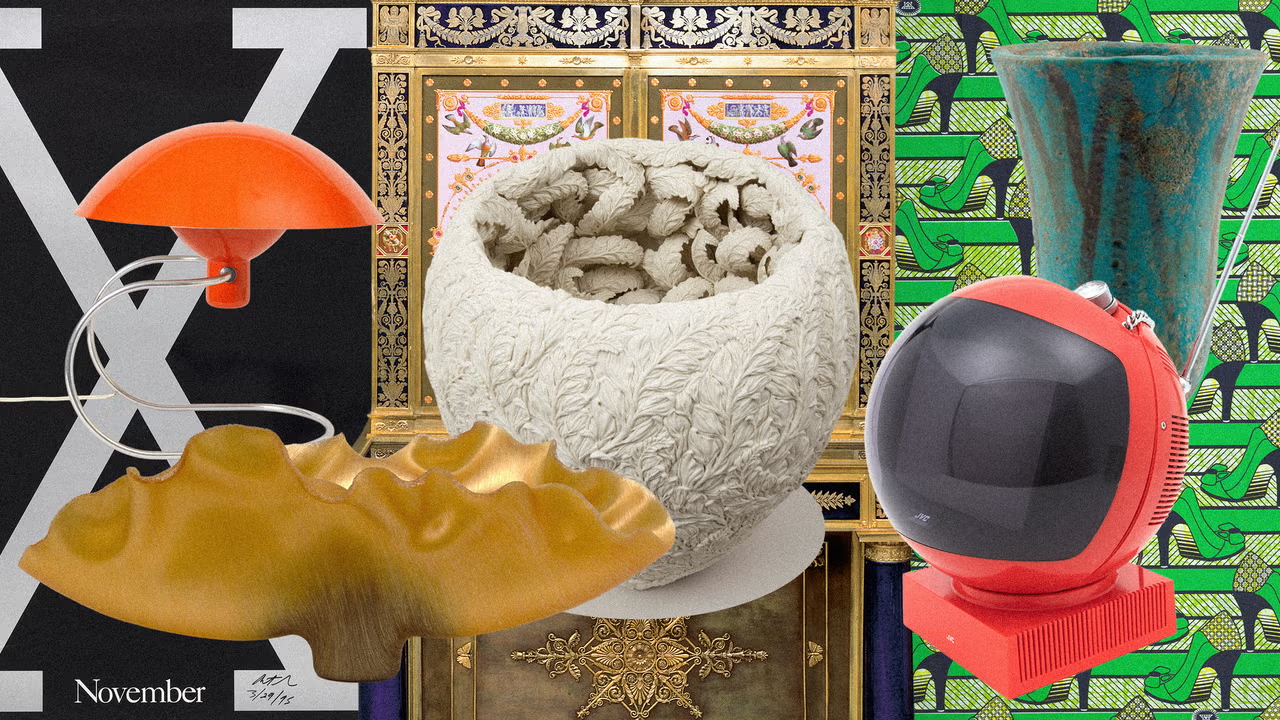
Tracing the Threads of Design
In the world around us, design is not merely an afterthought; it is the very fabric of our daily existence. From the contours of a chair that invites relaxation to the intricate design of the urban spaces we navigate, every object and environment tells a story. At the forefront of this narrative is the Cooper Hewitt, Smithsonian Design Museum—the only institution in the United States dedicated solely to the exploration of historical and contemporary design.
A New Era of Accessibility
With a collection exceeding 200,000 items ranging from physical artifacts to digital innovations, the museum is embarking on a transformative journey. Its latest exhibition, Design Across Time, marks a significant leap forward in accessibility. For the first time, a permanent collection will be on display, inviting visitors to engage with a curated selection of 125 objects that span centuries and disciplines.
Maria Nicanor, the museum’s director, emphasizes the importance of the permanent collection as a foundational introduction to the museum’s vast offerings. “Understanding what a museum holds is crucial for appreciating its significance,” she notes. “This exhibition serves as a gateway to the stories embedded within our national collection.”
The Curatorial Journey
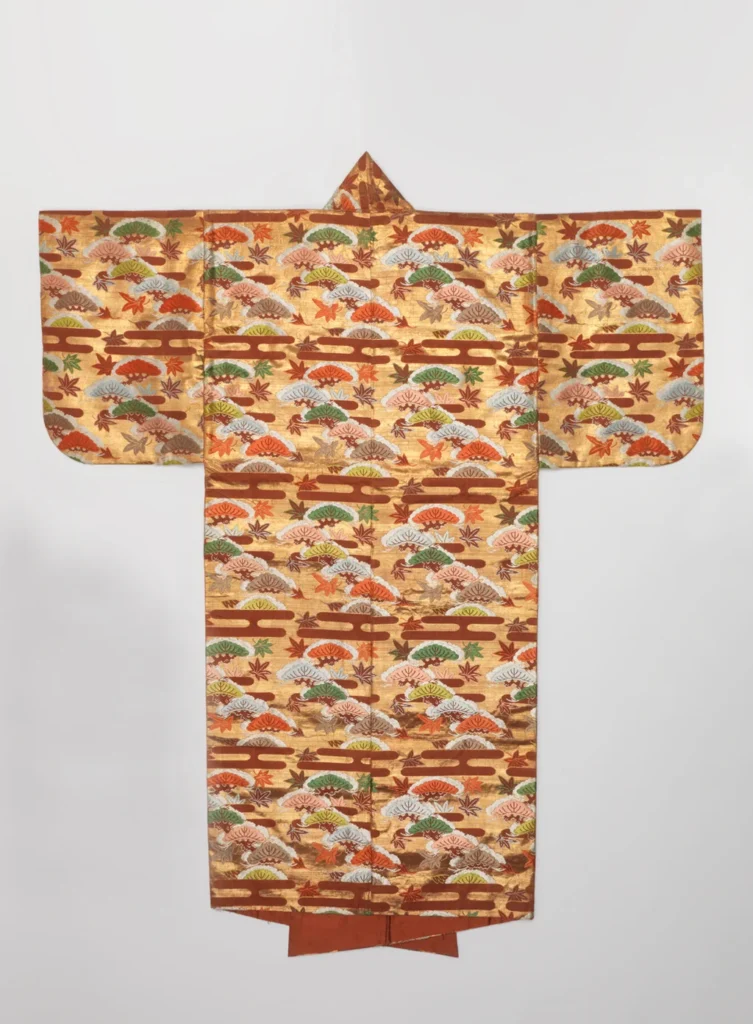
The meticulous process of curating this exhibition involved a dedicated team of ten curators sifting through an ocean of artifacts, ultimately selecting a diverse array of objects that resonate with both historical and contemporary themes. Each piece is a conversation starter, offering insights into the evolution of design, creativity, and innovation.
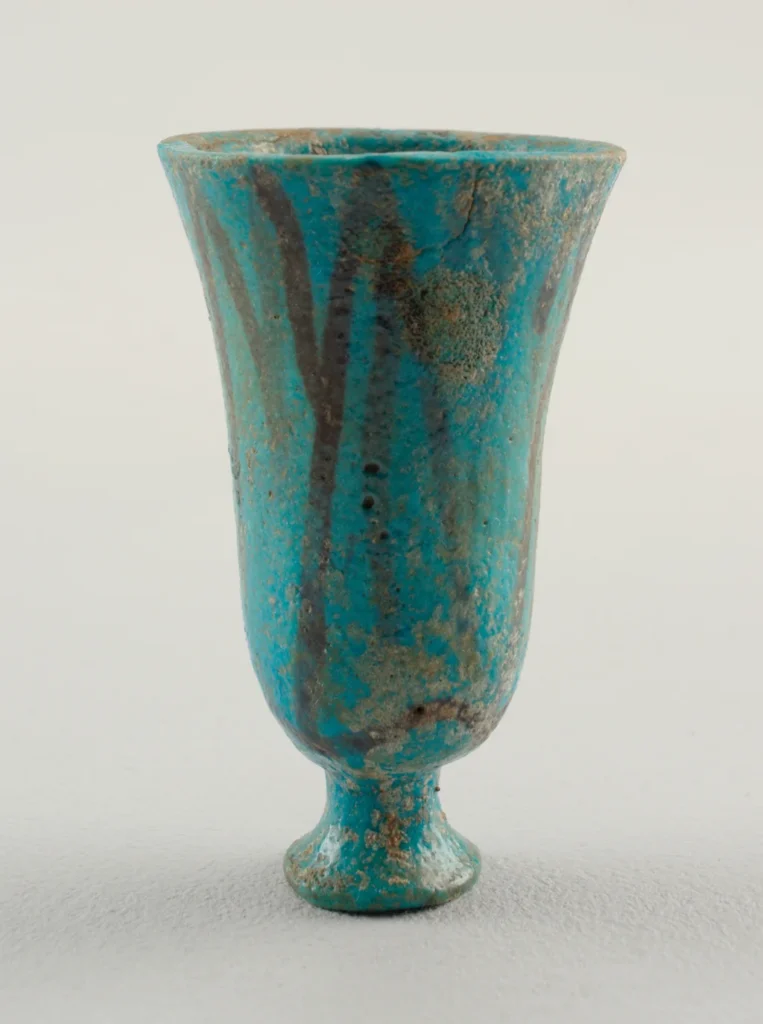
From a Lotus-shaped cup dating back to 1100 BC to a striking interactive news story from The New York Times on the COVID-19 pandemic, the exhibition encapsulates the breadth of human experience. The design of the exhibition itself, conceived by JA Projects, harmonizes the displayed objects with the museum’s Gilded Age architecture, creating an immersive experience.
Six Themes of Exploration
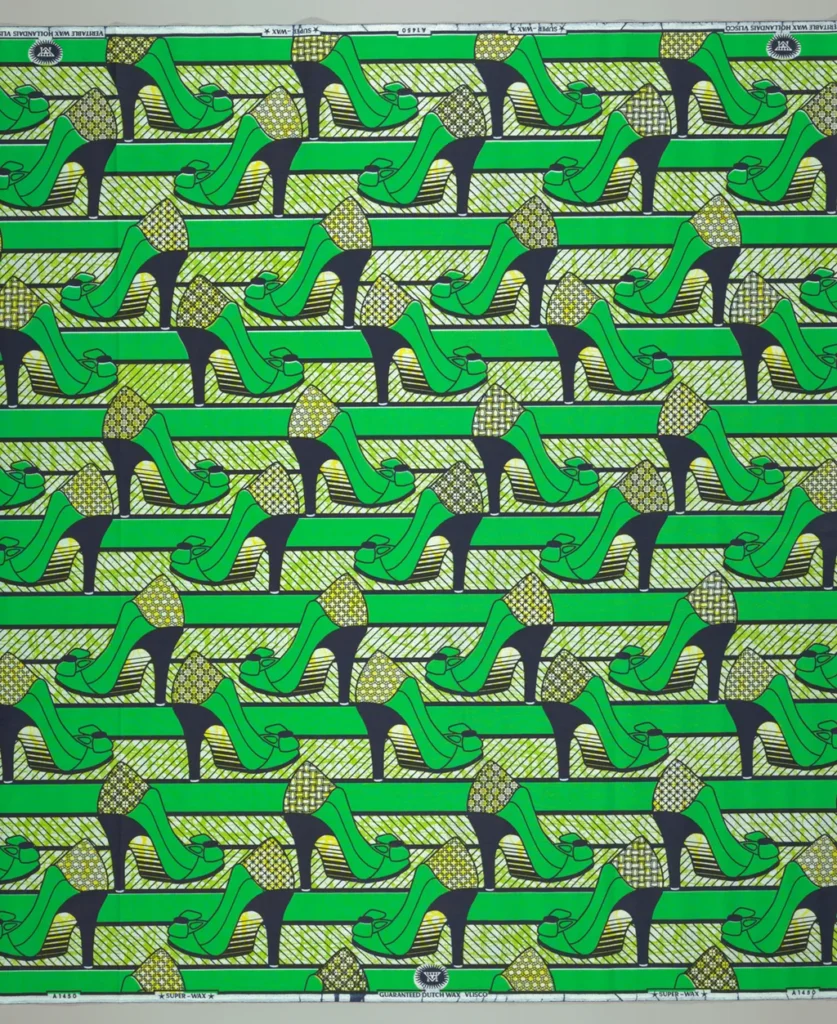
Rather than a linear timeline, the exhibition divides the 125 objects into six thought-provoking themes:
- Repeat: Explores modularity and standardized aesthetics.
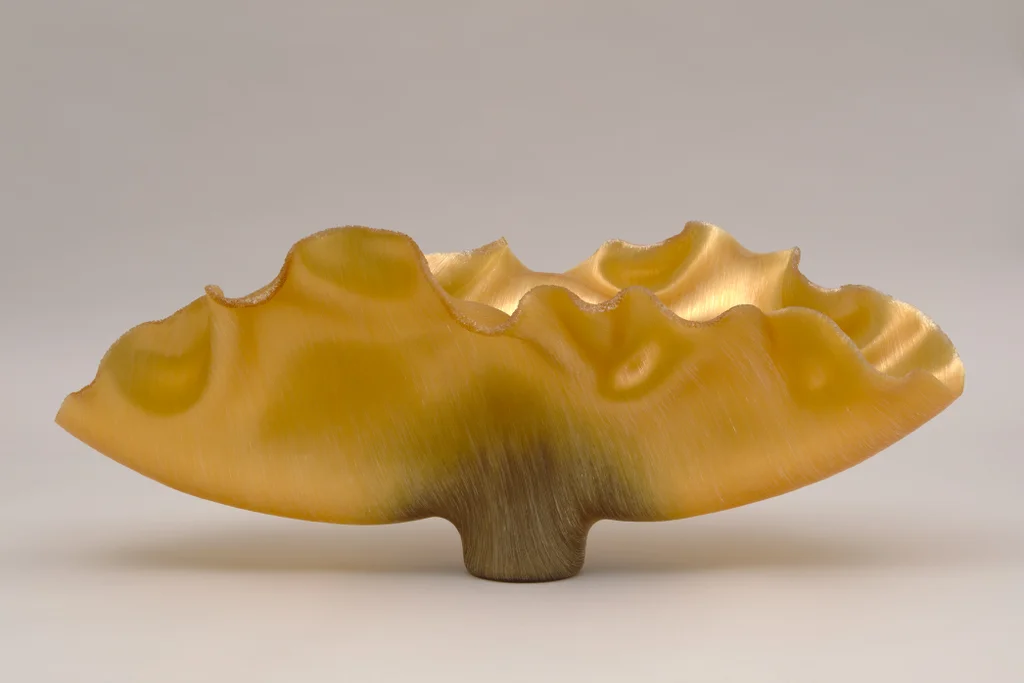
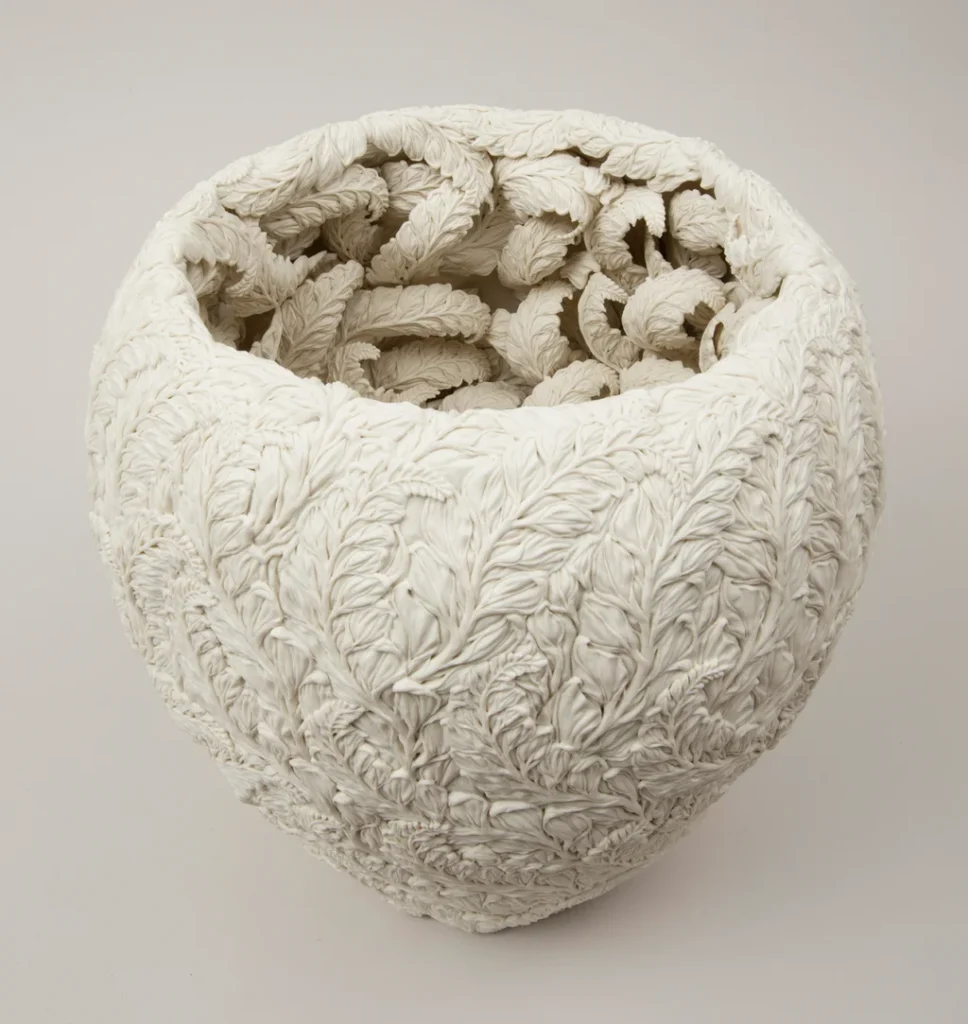
- Transform: Highlights innovative applications and unexpected materials.
- Show Off: Celebrates craftsmanship while challenging notions of excess.
- Simplify: Distills designs to their essential elements.
- Tweak: Focuses on the iterative nature of design through sketches and prototypes.
- Play: Invites user interaction and engagement.
This thematic approach creates a rich tapestry of ideas, linking historical narratives with contemporary design challenges.
Design as a Reflection of Society
Each object within the exhibition serves not only as a standalone piece of art but also as a reflection of societal values and historical contexts. For instance, a framed screen-printed poster by Anthony Burrill and Tom Gale captures the raw emotion of the 2010 Deepwater Horizon oil spill, utilizing contaminated sand in its shimmering ink. Such pieces prompt viewers to consider the multifaceted stories embedded in the objects we often overlook.
Julie Pastor, a curatorial assistant, reminds us that “these objects hold multiple narratives, and how we choose to engage with them can reveal deeper truths about our society.” The exhibition’s intent is clear: to broaden the definition of design beyond mere aesthetics and objecthood, encompassing the architecture and urban planning that shape our living environments.
Designing for the Future
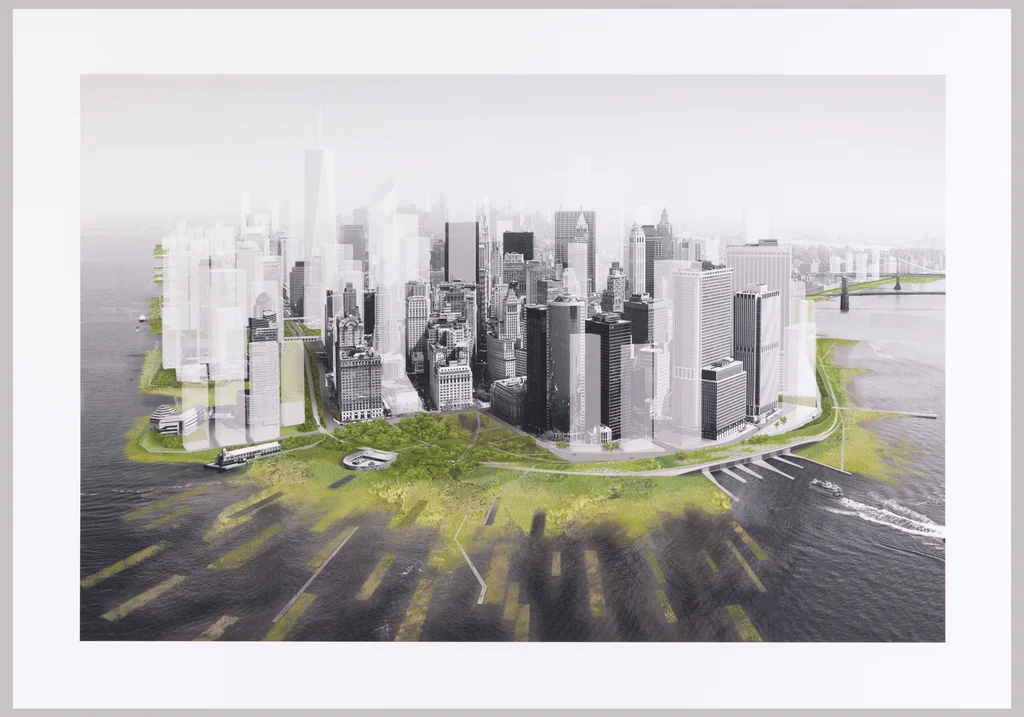
Ultimately, the exhibition seeks to redefine our relationship with design, encouraging a more informed and conscious approach to the objects that fill our lives. One highlighted piece, New Urban Ground, a visionary proposal for New York City’s Lower Manhattan waterfront, exemplifies the proactive role design can play in addressing urban resilience—an issue that remains pressing in light of climate change and urban challenges.
As Nicanor aptly states, understanding the origins and purposes of our possessions empowers us as informed citizens. “Design is not merely a luxury; it’s a fundamental right to access well-designed environments and objects.” Through this exhibition, the Cooper Hewitt invites us to reflect on our role in shaping a thoughtful and responsive design landscape.
Editorial note: This article was created by A Bit Lavish Miami’s Magazine as an original editorial reinterpretation based on publicly available reporting. Original source: fastcompany.com. Read the original article here: https://www.fastcompany.com/91571436/cooper-hewitt-permanent-collection-galleries-design-across-time.
Images are used for editorial reference with source credit. If an image requires correction or removal, please contact A Bit Lavish.









Redefining Intelligence: The Shift from Language to Visual Reasoning in AI
Explore how Elorian AI is pioneering a new era of artificial intelligence...
 3 Mins read

European Automakers Implement Eye-Tracking Technology in Vehicles
The integration of eye-tracking technology in European cars raises significant privacy concerns...
1 Mins read

Keystone Pipeline Operator Agrees to $26.9 Million Penalty Over Kansas Oil Spill
The settlement underscores ongoing concerns about environmental safety and regulatory compliance in...
 ABL1 Mins read



Liberty Takes On Tempo in Anticipated Match-Up Today
The outcome of the Liberty vs. Tempo match could significantly impact global...
ABL1 Mins read

Leave a comment