
Unearthing History: The Vibrant Murals of Ancient Thebes
The Colors of Time
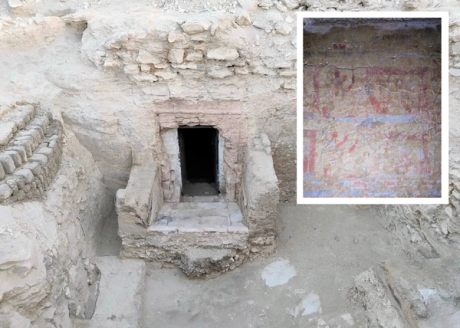
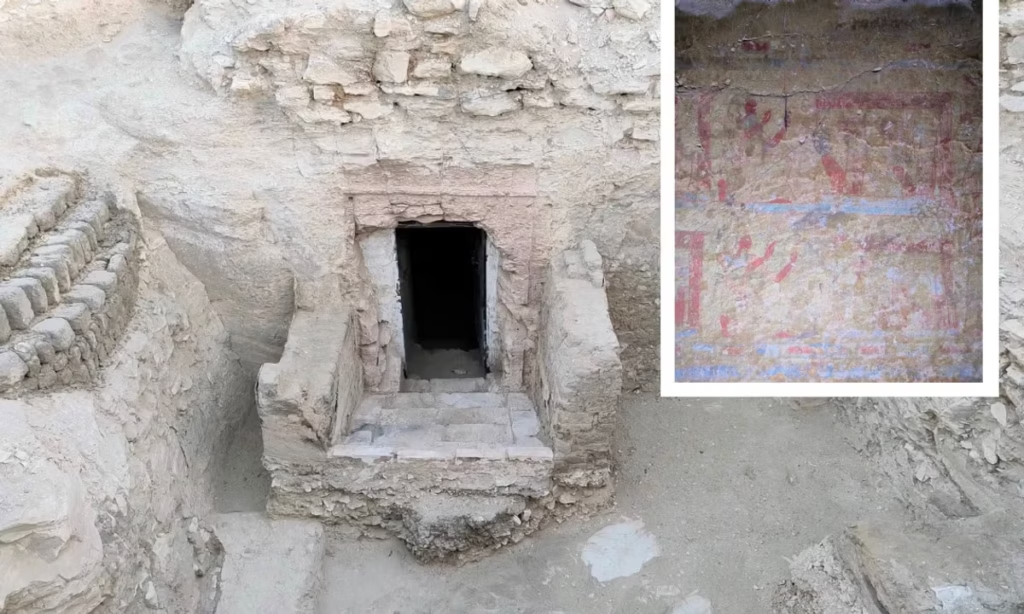
In a remarkable archaeological find, researchers have uncovered a richly decorated grave in Luxor, an area once known as the ancient city of Thebes. This discovery not only highlights the artistic prowess of ancient Egyptians but also serves as a window into the lives and beliefs of its inhabitants. The vibrant murals, steeped in symbolism and cultural significance, invite us to reflect on the intricate relationship between art and life in this storied civilization.
A Glimpse into Ancient Life
As archaeologists delve deeper into the site, the hope is to unravel the daily experiences of those who walked the streets of Thebes centuries ago. The colorful murals adorning the grave speak volumes about the customs, rituals, and social structures that defined this ancient society. Each stroke of paint tells a story, from depictions of daily activities to representations of deities, illustrating the beliefs that governed their existence.
The Provenance of Artistic Expression
Art in ancient Egypt was more than mere decoration; it was a vital component of their spiritual and societal fabric. The murals discovered in Luxor exemplify the sophisticated artistic techniques employed by ancient craftsmen. Using natural pigments, they created a visual narrative that has survived millennia. This artistic legacy not only enriches our understanding of their culture but also enhances the provenance of such works, making them highly sought after by collectors and institutions alike.
Market Significance and Collector Psychology
The recent discovery raises intriguing questions about the market for antiquities and the psychological motivations behind collecting them. As awareness grows regarding the importance of preservation and provenance, collectors are increasingly drawn to works that not only possess aesthetic appeal but also carry historical significance. The vibrant murals from Luxor may well become coveted pieces in the art market, embodying the intersection of beauty, history, and investment.
The Legacy of Thebes
The cultural impact of Thebes extends far beyond its geographical boundaries. As a pivotal center of ancient Egyptian civilization, it has inspired generations of artists, historians, and collectors. The narratives woven into its art continue to resonate, reminding us of our shared human experiences across time. As we continue to study these murals, we not only honor the legacies of those who came before us but also enrich our understanding of humanity’s artistic journey.
Conclusion: The Ongoing Quest for Knowledge
The discovery of the colorful grave in Luxor is but a chapter in the ongoing story of ancient Egypt. With each artifact uncovered, we draw closer to understanding the lives of those who lived in Thebes, their beliefs, and their art. As this research progresses, it promises to illuminate the complexities of a civilization that continues to captivate and inspire. The vibrant murals are not just remnants of the past; they are vibrant threads in the tapestry of human history, urging us to explore and appreciate the richness of our cultural heritage.
Editorial note: This article was created by A Bit Lavish Miami’s Magazine as an original editorial reinterpretation based on publicly available reporting. Original source: theartnewspaper.com. Read the original article here: https://www.theartnewspaper.com/2026/07/14/ancient-egyptian-grave-with-colourful-murals-discovered-in-luxor.
Images are used for editorial reference with source credit. If an image requires correction or removal, please contact A Bit Lavish.








A Legacy Sculpted in Time: The Impact of Rauschenberg’s Gift to the Arts
Explore the significance of Robert Rauschenberg's donation of three pivotal sculptures to...
 2 Mins read

Auburn Woman Sentenced to 10 Years for Stabbing Incident
The sentencing of a woman in Auburn underscores ongoing issues of public...
1 Mins read

A Revered Return: The Cultural Significance of Repatriated Pre-Columbian Artifacts
Exploring the profound implications of repatriated Pre-Columbian artifacts showcased in Bogotá, revealing...
2 Mins read


Monumental Shifts: The Architectural Dialogue of Iconic Arches
Exploring the cultural significance and investment potential of monumental arches, from Washington,...
 ABL2 Mins read

Leave a comment