
Navigating the Aftermath: The Road to Reviving Maiquetía International Airport

In the Wake of Disaster: A National Challenge
The recent double seismic event on June 24 has left a profound impact on Venezuela’s aviation landscape, particularly affecting the Simón Bolívar International Airport in Maiquetía. With the airport’s closure, the nation has been compelled to activate at least five regional airports to accommodate international flight demands. Marisela de Loaiza, president of the Venezuelan Airlines Association (ALAV), reported a staggering drop in weekly flights from 270 to merely 60 in a matter of weeks, marking a significant disruption in air travel.
Assessing the Damage: The Road to Recovery
As the dust settles, the focus shifts to the airport’s infrastructure. The primary runway, after undergoing repairs since last year, was set to reopen shortly before the earthquakes struck, further complicating recovery efforts. Although auxiliary runways remain operational, the terminal buildings have suffered extensive damage, leading to critical challenges with baggage claim systems and security protocols. According to De Loaiza, the comprehensive assessment of the airport’s condition has yet to be publicly detailed, leaving many questions about the full extent of the destruction.
A Temporary Solution: Valencia Takes Center Stage
In the interim, the Arturo Michelena Airport in Valencia has stepped up as the primary international terminal, experiencing a substantial surge in activity since early July. Reports indicate that from the beginning of the month, the airport has managed to handle upwards of 4,500 travelers in a single day, with over 61,000 passengers documented entering and exiting within a mere 17 days. However, as demand increases, the limitations of Valencia’s capacity have begun to show, with airlines facing operational challenges and cancellations.

The Human Element: A Workforce in Crisis
The impact of the earthquakes extends beyond infrastructure to the heart of the aviation sector—its workforce. Nicola Furnari, a prominent figure in the tourism and aviation industry, has highlighted the significant deficit in operational staff, many of whom resided in the severely affected La Guaira area. The loss of life and displacement of skilled personnel adds another layer of complexity to the airport’s revival. Training new staff is imperative but will require time and resources, as specialized certifications are necessary for a return to normalcy.
Tourism on the Brink: Economic Implications
The closure of Maiquetía Airport has coincided with the onset of Venezuela’s high tourism season, leading to a potential downturn in revenue from tourism at a critical time. Even before the earthquakes, hotel occupancy rates hovered below 30%, and the ongoing logistical challenges could further exacerbate the situation. Travelers are now faced with lengthy road trips to alternative airports, raising safety concerns and complicating their overall travel experience.
Looking Ahead: A Call for Recovery and Investment
As the country grapples with the aftermath of this natural disaster, the focus must also remain on revitalizing the tourism sector, a vital component of Venezuela’s economy. Furnari emphasizes the necessity for a structured plan to support hotel and tourism businesses in the affected areas, advocating for financial assistance to ensure these establishments can return to operational status. Without a strategic approach to rebuilding, the long-term effects on the economy and the country’s image could be severe.
The path to recovery is paved with challenges, yet with resilience and strategic planning, there is hope for revitalizing Maiquetía International Airport and the broader tourism landscape in Venezuela.
Editorial note: This article was created by A Bit Lavish Miami’s Magazine as an original editorial reinterpretation based on publicly available reporting. Original source: efectococuyo.com. Read the original article here: https://efectococuyo.com/la-humanidad/reactivar-aeropuerto-maiquetia-pasa-capacitar-personal-ya-esta/.
Images are used for editorial reference with source credit. If an image requires correction or removal, please contact A Bit Lavish.






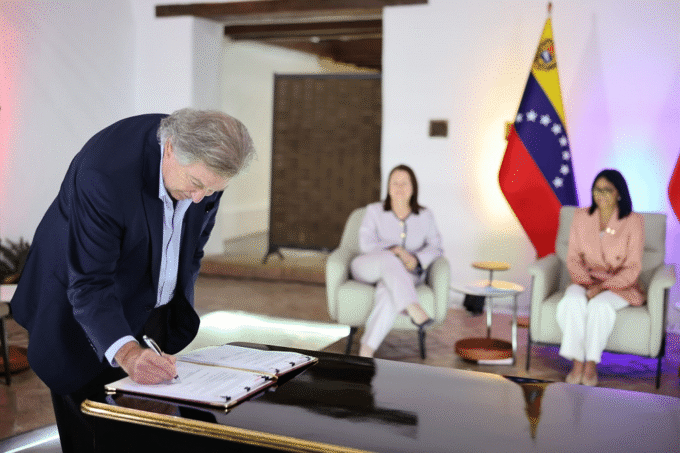
A New Dawn for Venezuela’s Oil Industry: GeoPark’s Strategic Partnership
Discover how GeoPark's long-term contract with Venezuela signals a revitalization of the...
 2 Mins read
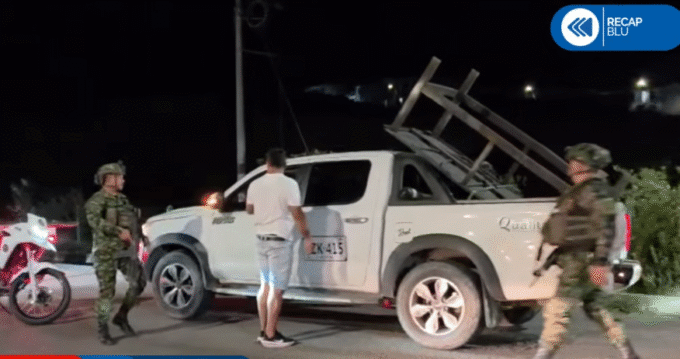
The Unfolding Turmoil: Colombia’s Struggle Against Drone Warfare
An exploration of the recent drone attack in Colombia, its implications, and...
2 Mins read
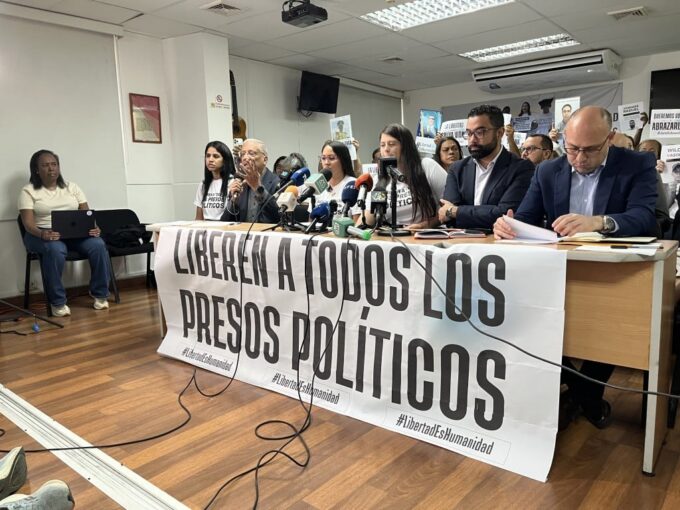
A Call for Justice: The March for Political Prisoners in Venezuela
Discover the poignant call to action from Clippve as they mobilize for...
2 Mins read
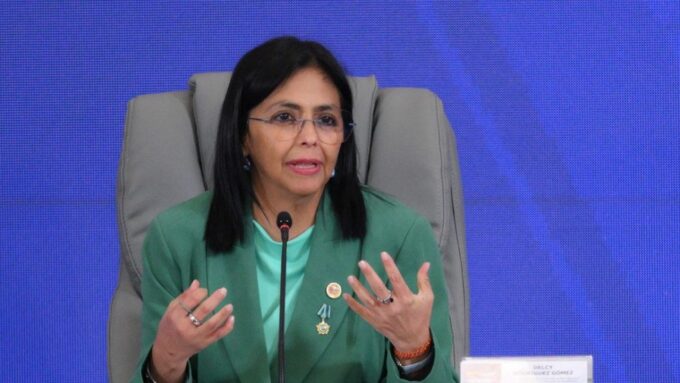


Sabotage Allegations and Energy Agreements: A Closer Look at Venezuela’s Electric Crisis
Delcy Rodríguez's recent claims of sabotage in Venezuela's electrical system amidst new...
3 Mins read
