
Venezuela’s Political Landscape Shifts Amidst Controversial Legislative Moves
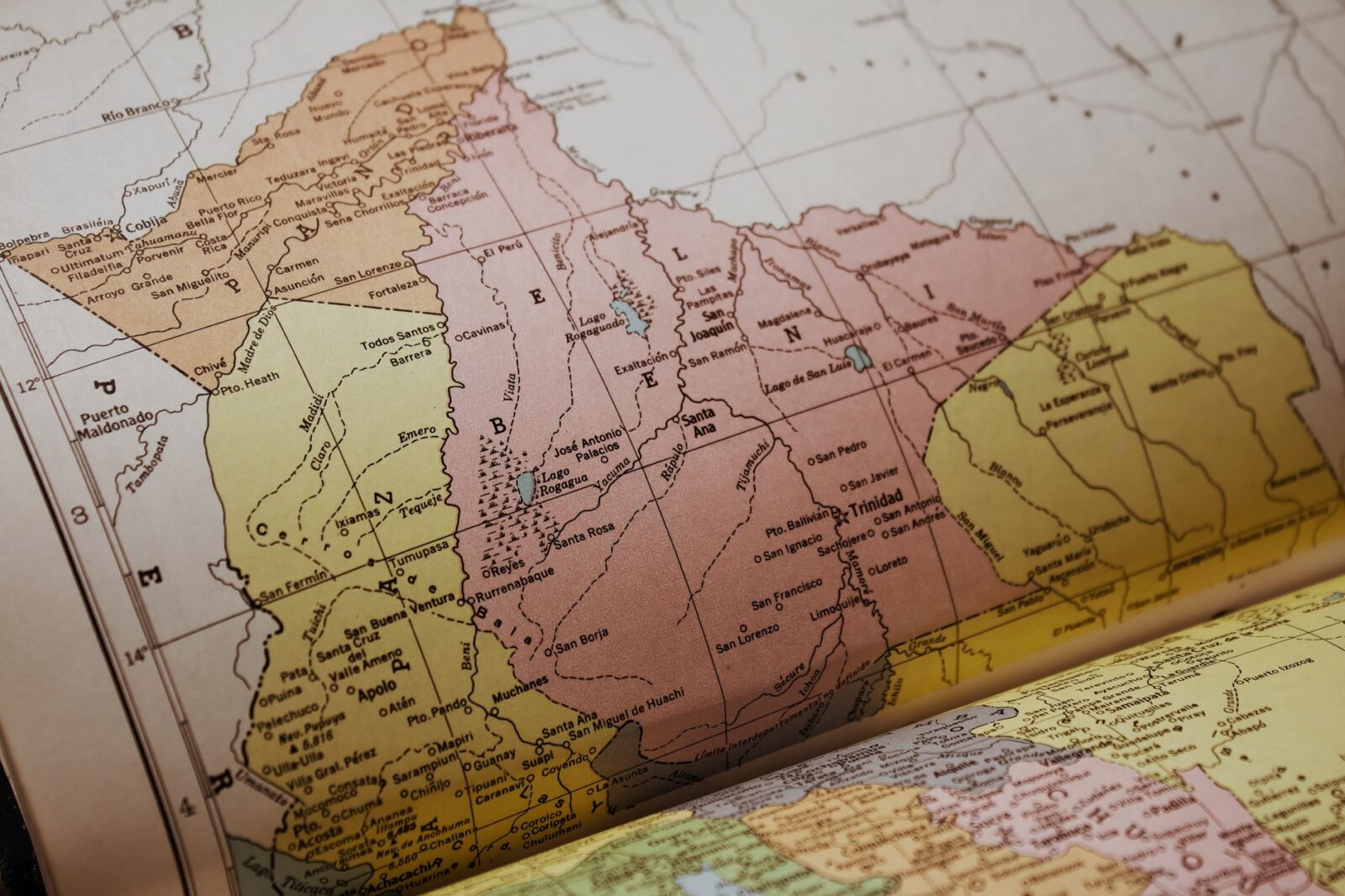
On July 18, 2026, the Venezuelan National Assembly enacted a series of controversial legislative reforms aimed at restructuring the governance framework in response to ongoing economic challenges and political unrest. These developments took place in Caracas, the capital, where the Assembly, dominated by the ruling United Socialist Party of Venezuela (PSUV), has faced increasing pressure both domestically and from the international community.
Key figures in this legislative shift include National Assembly President Jorge Rodríguez and other prominent PSUV members who argue that these reforms are necessary to stabilize the economy and restore public trust. The reforms include provisions that modify the framework for public spending and enhance executive powers during economic emergencies, raising concerns about the potential for overreach and the erosion of checks and balances enshrined in the Venezuelan Constitution.
This legislative action matters significantly on multiple fronts. Nationally, it raises questions regarding the preservation of democratic norms and the separation of powers as outlined in Article 136 of the Constitution, which emphasizes the importance of a balanced governmental structure. Regionally, the reforms could exacerbate tensions with neighboring countries, particularly as they relate to issues of human rights and governance. Globally, this situation draws the attention of international organizations and foreign governments, which are monitoring Venezuela’s adherence to democratic principles and the rule of law.
Looking ahead, the potential ramifications of these legislative changes could lead to increased civil unrest, as opposition groups mobilize against perceived authoritarian measures. Furthermore, international responses could include renewed sanctions or diplomatic pressure aimed at restoring democratic governance. The unfolding political landscape will require vigilant oversight to ensure that the principles of popular sovereignty and fundamental rights, as articulated in the Venezuelan Constitution, are upheld.
Source: Otago Daily Times







David Malukas Hospitalized After Serious Crash During IndyCar Practice in Nashville
The incident raises concerns over driver safety in motorsports amid ongoing discussions...
 1 Mins read
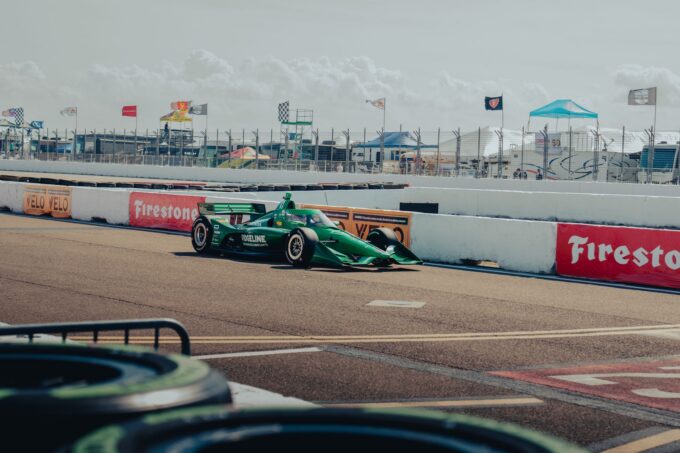
IndyCar Music City Grand Prix Commences Amidst Global Sporting Enthusiasm
The 2026 IndyCar Music City Grand Prix highlights Nashville's prominence in international...
1 Mins read
Toronto Blue Jays Consider Francisco Lindor Acquisition Amidst Trade Speculations
The potential trade for Francisco Lindor could reshape the competitive landscape of...
1 Mins read


Trump Secures Balogun’s Clearance as Yankees Face Downfall
Trump's intervention in Balogun's case highlights the intertwining of sports and politics,...
1 Mins read
Leave a comment