
Political Rhetoric Escalates as U.S. Campaign Season Intensifies
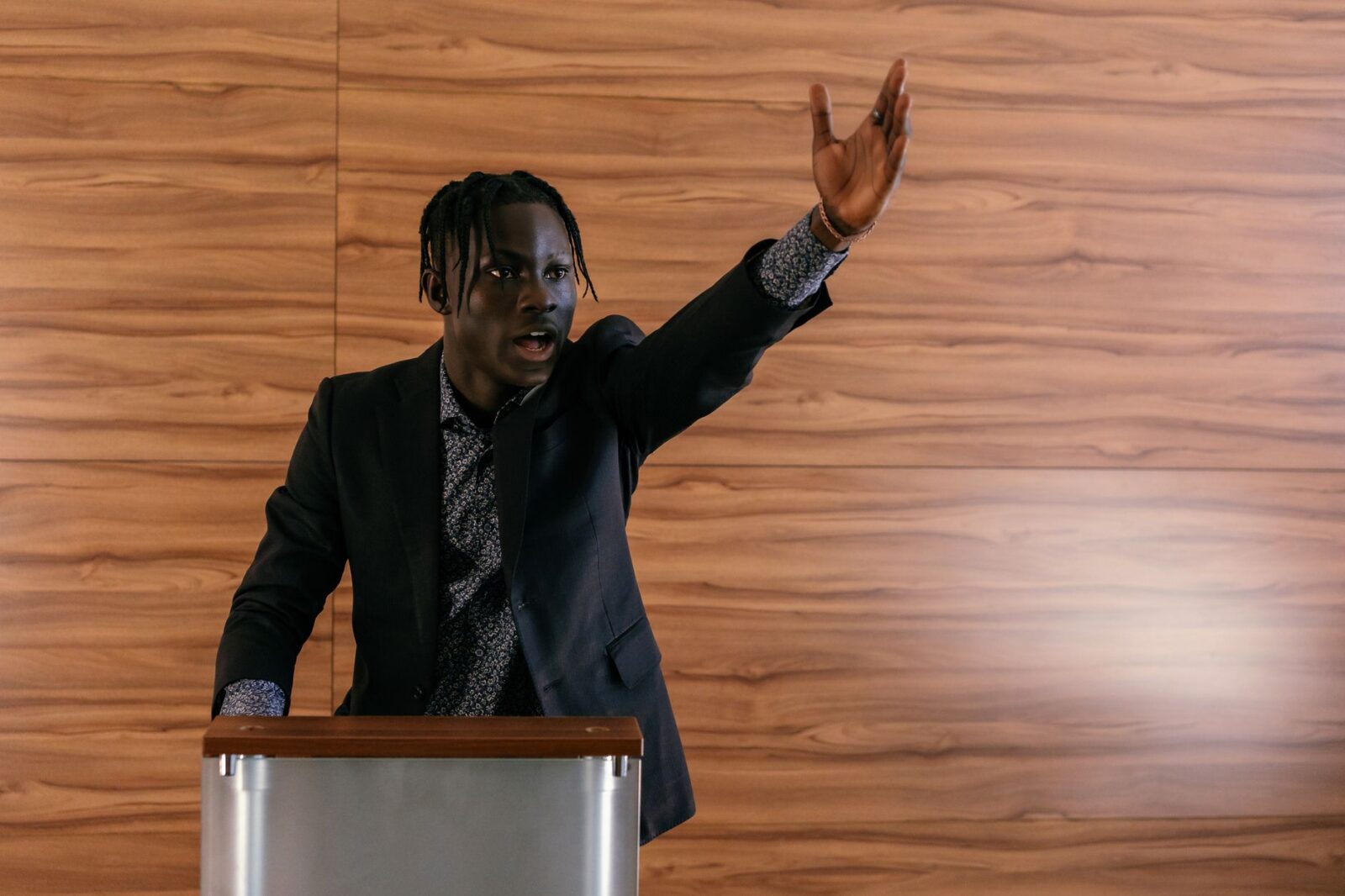
As the United States enters a pivotal campaign season leading up to the 2026 elections, political rhetoric has intensified, with candidates drawing stark contrasts between capitalism and socialism. This development, occurring on July 18, 2026, reflects a broader narrative that has emerged in recent months, where fears of communism are being leveraged as a campaign strategy to galvanize voter support.
Key figures in this discourse include prominent candidates from both the Democratic and Republican parties, who are framing their platforms around the defense of American values against perceived threats of leftist ideologies. The implications of these discussions are significant, as they resonate not only with domestic audiences but also with international observers who monitor the health of democracy and governance in the United States.
This heightened political climate matters now more than ever, as it shapes public sentiment and influences voter turnout in the upcoming elections. The narrative of an impending socialist threat plays into a larger context of global political dynamics, where countries are increasingly polarized along ideological lines. The implications extend beyond U.S. borders, affecting international relations and perceptions of democracy, particularly in regions where governance and political stability are already fragile.
Looking ahead, the consequences of this campaign rhetoric may lead to increased polarization among the electorate, with potential ramifications for bipartisan cooperation on critical issues such as economic policy, healthcare, and foreign relations. As candidates continue to capitalize on fears of radicalism, the challenge will lie in fostering a political dialogue that encourages unity and constructive engagement rather than division. The outcome of this campaign season could set a precedent for how political discourse evolves in the United States and its influence on global democratic norms.
Source: Kitsap Sun









Osborn and Ricketts Face Off in Nebraska Senate Race as Odds Shift
The Nebraska Senate race is heating up, with implications for national political...
 1 Mins read

AOC Surges Ahead as Schumer Faces Political Pressure
The rise of Alexandria Ocasio-Cortez signals a shift in the Democratic landscape,...
1 Mins read
Michigan Senate Candidate El-Sayed Addresses Controversial Religious Conference
El-Sayed's participation in the event raises concerns about political affiliations and public...
1 Mins read


BJP Criticizes Congress Following Dismissal of Telangana Minister Konda Surekha
The political landscape in India intensifies as the BJP seizes on Congress's...
1 Mins read
