
Reawakening History: Bolivia’s National Archaeology Museum Shines a Spotlight on Repatriated Treasures
A New Era for Bolivia’s Treasures
In the heart of La Paz, a transformative journey unfolds as the National Archaeology Museum reopens its doors after a year-long closure. This renovation not only revitalizes the museum’s physical space but also elevates its mission to honor Bolivia’s rich cultural heritage through the repatriation of significant artifacts. Among the highlights of the newly curated permanent collection are a mummified girl and an ancient Andean sculpture, both of which carry stories of resilience, loss, and cultural pride.
A Testament to Cultural Resilience
The museum’s reopening is particularly poignant given the global conversations surrounding the restitution of cultural artifacts. The mummified girl, affectionately known as Saphi, symbolizes a history that stretches across centuries. Her return from the United States is a powerful act of reclamation that speaks to Bolivia’s efforts to restore its cultural identity. The story of Saphi, once an object of fascination abroad, now finds its rightful place in the narrative of her homeland.
Unveiling the Past: The Andean Sculpture
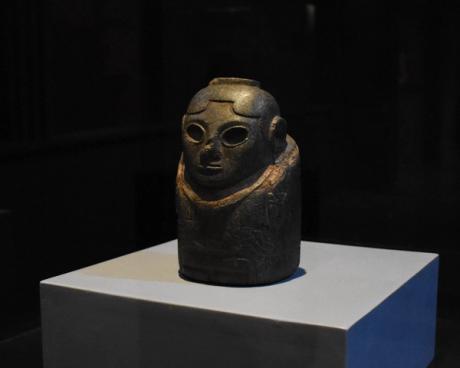
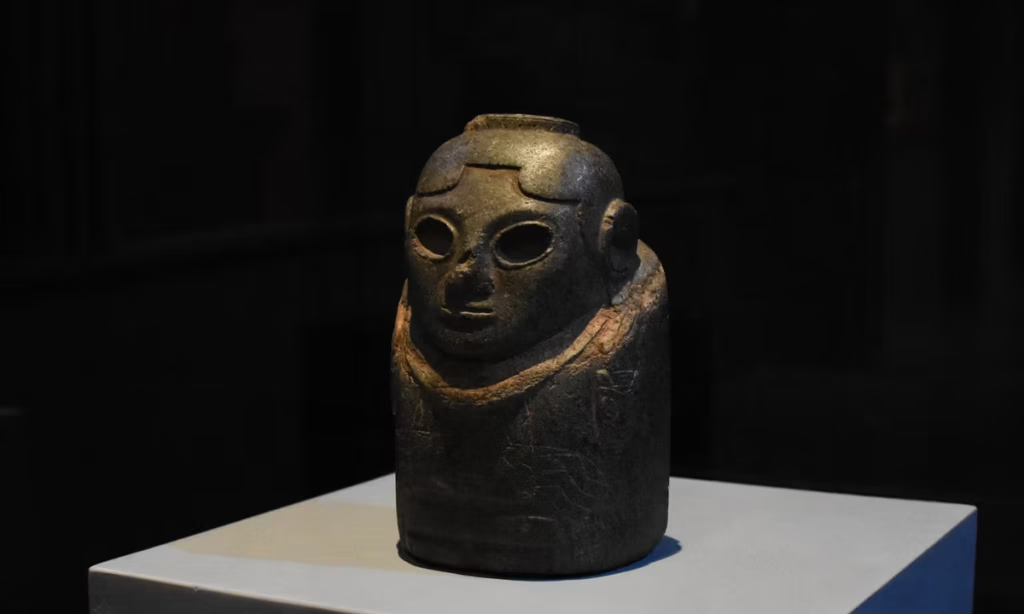
Equally compelling is the inclusion of an Andean sculpture, a piece that was illicitly taken by a Swiss traveler in the 19th century. This artifact not only embodies the artistry and spiritual significance of its time but also serves as a reminder of the injustices faced by indigenous cultures in the wake of colonialism. The museum’s decision to house this sculpture is a bold statement about the importance of acknowledging and confronting the past.
Curatorial Vision and Cultural Dialogue
With an eye toward both cultural significance and educational outreach, the curatorial team has designed an exhibition that invites dialogue between the past and present. Each artifact is displayed with careful attention to its provenance, providing visitors with insights into its journey and the broader historical context. This approach not only deepens the understanding of the artifacts themselves but also encourages visitors to reflect on the ongoing implications of cultural ownership and heritage.
Significance Beyond Borders
The renovation of the National Archaeology Museum resonates on a global scale, echoing similar movements across the world where museums are re-evaluating their collections. In Miami, a city that thrives on cultural exchange, the story of Bolivia’s repatriated treasures finds a parallel in the local art scene. As collectors and institutions alike grapple with the ethics of ownership and provenance, the steps taken by Bolivia serve as a model for other nations seeking to reclaim their cultural narratives.
Conclusion: A Cultural Renaissance
The reopening of Bolivia’s National Archaeology Museum marks not merely a return to public access but a renaissance of cultural pride and identity. As visitors engage with the stories of Saphi and the Andean sculpture, they are invited to participate in a broader conversation about history, ownership, and the ongoing journey toward cultural restitution. In a world where art and artifacts can bridge divides, the museum stands as a beacon of hope and resilience, showcasing the power of heritage in shaping a nation’s future.
Editorial note: This article was created by A Bit Lavish Miami’s Magazine as an original editorial reinterpretation based on publicly available reporting. Original source: theartnewspaper.com. Read the original article here: https://www.theartnewspaper.com/2026/07/20/museo-nacional-arqueologia-bolivia-renovation-repatriated-saphi-mummy-illa-statue.
Images are used for editorial reference with source credit. If an image requires correction or removal, please contact A Bit Lavish.






A New Chapter for The Armory Show: Celebrating Emerging Talent and Caribbean Art
Explore the transformed landscape of The Armory Show with a focus on...
 2 Mins read
Dominic McLean and Francisco Alvarez Shine in Philadelphia’s Baseball Spotlight
The standout performances of McLean and Alvarez underscore the evolving dynamics of...
1 Mins read

A New Vision at the Minneapolis Institute of Art: Kevin Tervala Takes the Helm
Explore the appointment of Kevin Tervala as the lead curator at the...
2 Mins read



The Disappearance of a Voice: Luis Manuel Otero Alcántara and the Struggles of Cuban Art
Explore the profound impact of artist-activist Luis Manuel Otero Alcántara's silence on...
2 Mins read

Leave a comment