
A Heartbreaking Call to Action: DNA Identifications for Earthquake Victims in Venezuela
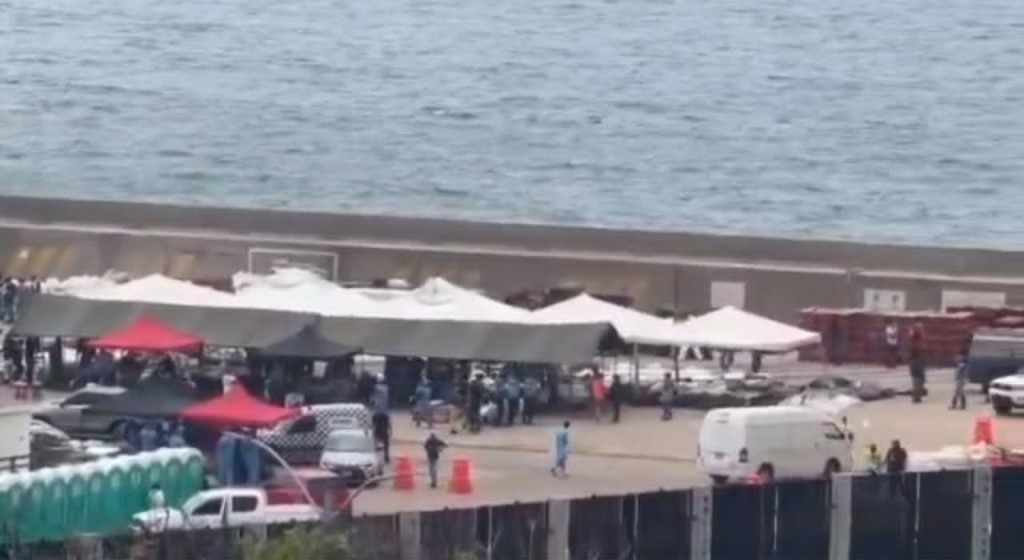
A Tragic Aftermath
In the wake of a catastrophic double earthquake that struck Venezuela on June 24, the nation grapples with an overwhelming loss of life and the urgent need for closure for grieving families. With the official toll reaching over 5,278 fatalities and 16,740 injuries, the situation has escalated to a humanitarian crisis. Reports indicate that approximately 29,500 individuals remain unaccounted for, as families desperately search for their loved ones amidst the chaos.
A Call to Families
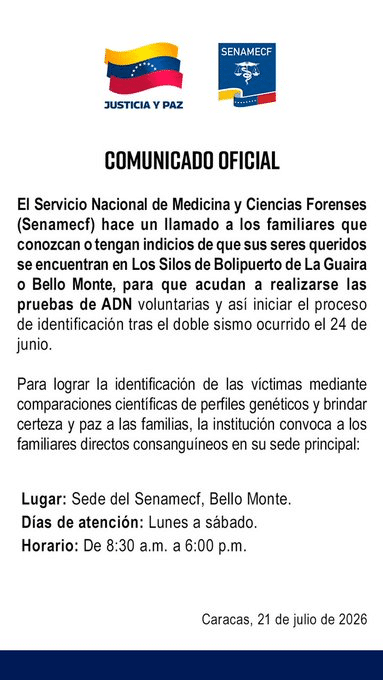
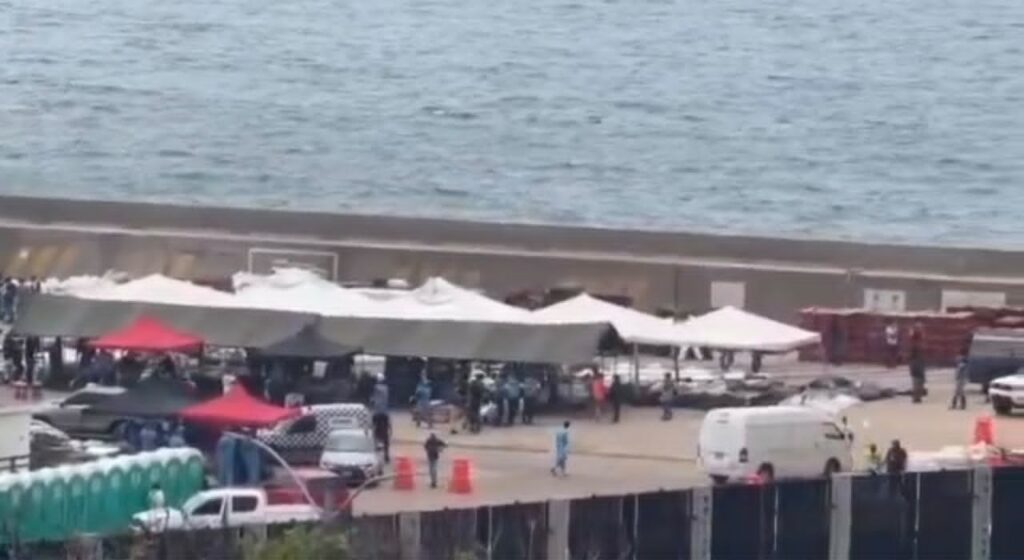
The Servicio Nacional de Medicina y Ciencias Forenses (Senamecf) has issued a heartfelt appeal to families who suspect their loved ones may be among the deceased. They are urging relatives to voluntarily provide DNA samples to assist in the identification of bodies housed in the makeshift morgue at Los Silos in La Guaira and the Bello Monte facility in Caracas. This initiative aims to offer families the certainty they need and to help restore a sense of peace during this harrowing time.
The Identification Process
Families are encouraged to visit the Senamecf facility from Monday to Saturday, between 8:30 AM and 6:00 PM, to submit their DNA samples. The process involves scientific comparisons of genetic profiles, a crucial step toward identifying victims and providing families with the closure they seek. The Venezuelan Interior Ministry has underscored the importance of this effort, framing it as a means to honor the lives lost in this tragic event.
Unprecedented Humanitarian Crisis
The dual earthquakes, measuring magnitudes of 7.2 and 7.5, have not only resulted in an immense loss of life but have left more than 17,900 individuals homeless. The destruction has impacted approximately 856 buildings, with 190 completely collapsed. As families navigate the aftermath of this disaster, the community’s resilience is tested, and support is vital.
Witness Accounts and Ongoing Efforts
Eyewitnesses have reported that unidentified victims are being interred in newly opened mass graves at a municipal cemetery in La Guaira. This practice underscores the urgency of the identification process and the scale of the tragedy. The United Nations Office for the Coordination of Humanitarian Affairs (OCHA) has indicated that unverified reports suggest the number of missing individuals could be as high as 50,000, intensifying the need for a coordinated humanitarian response.
Community and Government Response
In addition to government efforts, grassroots initiatives such as ‘Desaparecidos Terremoto Venezuela’ are emerging, providing a platform for families to report and search for missing persons. This community-led response highlights the desperation and determination of families unwilling to give up hope. As efforts continue to locate and identify victims, the collective spirit of the Venezuelan people remains strong, even in the face of tragedy.
Looking Ahead
The road to recovery for Venezuela will be long and arduous, marked by both profound grief and a need for healing. As the nation confronts the aftermath of the earthquake, the focus will be on providing support to affected families, restoring homes, and rebuilding communities. The call for DNA samples is just one step in a broader effort to address the human toll of this disaster, reflecting the enduring resilience and unity of the Venezuelan people during this trying time.
Editorial note: This article was created by A Bit Lavish Miami’s Magazine as an original editorial reinterpretation based on publicly available reporting. Original source: efectococuyo.com. Read the original article here: https://efectococuyo.com/la-humanidad/convocan-a-familiares-a-realizarse-prueba-de-adn-para-identificar-cuerpos-en-los-silos-y-morgue-de-bello-monte/.
Images are used for editorial reference with source credit. If an image requires correction or removal, please contact A Bit Lavish.








An Unexpected Alliance: The Unfolding Narrative of U.S.-Venezuela Relations
Exploring the nuances of U.S.-Venezuela relations through the lens of recent remarks...
 2 Mins read
La final del Mundial, la mejor distracción para afectados por terremotos en Venezuela
Un niño aficionado de España celebra durante la transmisión de la final...
2 Mins read
Resilience in the Face of Adversity: The Aftermath of Venezuela’s Devastating Earthquakes
Exploring the profound impact of the recent earthquakes in Venezuela, their humanitarian...
2 Mins read


Refugios Temporales: Un Reflejo de Resiliencia Tras la Tragedia
A un mes del devastador terremoto en Venezuela, exploramos el estado actual...
2 Mins read

Leave a comment