
Venezuela’s Departure from the International Criminal Court: A Complex Narrative
A Challenging Turn in Human Rights Advocacy
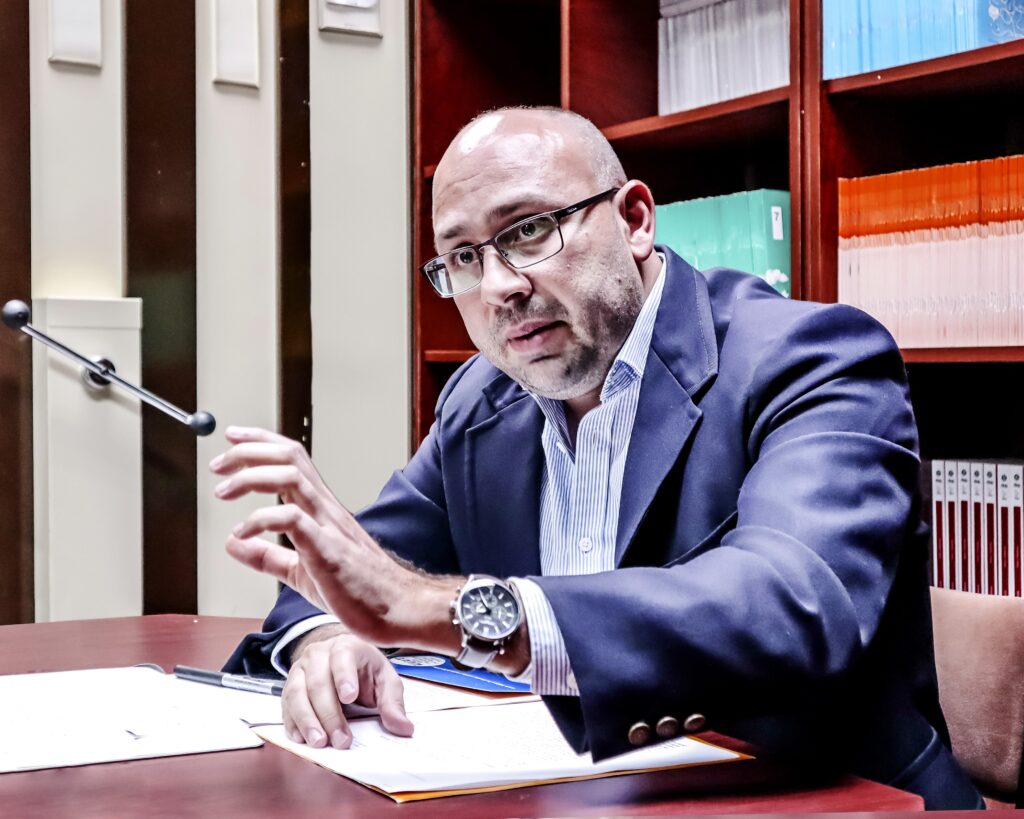
In a significant political move, Venezuela has announced its intention to withdraw from the International Criminal Court (ICC), a decision that has raised concerns among human rights advocates and legal experts alike. Provea, a prominent Venezuelan non-governmental organization focused on human rights, has publicly denounced this decision, emphasizing the potential ramifications for ongoing investigations into alleged crimes against humanity within the country.
Ongoing Investigations Remain Unaffected
Oscar Murillo, the general coordinator of Provea, reassured that the withdrawal will not have immediate effects on the investigations currently underway. The ICC’s procedures regarding prior investigations will remain intact, as the withdrawal will only come into effect after a one-year notice period. This means that any alleged crimes committed during this timeframe will still be subject to scrutiny, allowing for accountability in the future.
Understanding the Statute of Rome
The legal framework governing the ICC is established by the Rome Statute, which outlines the responsibilities and obligations of member states. According to Provea’s statements, the statute clearly stipulates that a state’s withdrawal does not exempt it from cooperating with the Court on investigations that were initiated before the withdrawal took effect. This includes compliance with any future arrest warrants that may be issued.
Government’s Perspective
Venezuela’s government, led by Foreign Minister Félix Plasencia, has articulated that the decision to withdraw stems from a belief that the ICC operates with a bias, disproportionately targeting nations in Africa and Latin America. Plasencia’s remarks reflect a broader narrative within the Venezuelan administration, which views the ICC’s actions as influenced by external interests that do not align with genuine international justice.
Global Implications and Reactions
The ICC has expressed its disappointment regarding Venezuela’s announcement, reiterating that the country will continue to be bound by its obligations for the next year. The Court highlighted that it had not yet received formal notification of the withdrawal, indicating that the complexities of international treaties require due process. The ICC’s ongoing investigations, particularly regarding allegations of crimes against humanity in Venezuela, are governed by protocols that remain in force despite the political maneuvers of member states.
A History of Investigations
The ICC has been scrutinizing the situation in Venezuela since 2018, when it initiated a preliminary examination into reported human rights violations. By 2021, this examination developed into a formal investigation, which remains active. The Venezuelan government’s request in April 2022 to suspend these investigations in favor of national judicial processes was met with skepticism by the ICC, which deemed local efforts insufficient.
Looking Ahead: What Lies Beyond Withdrawal?
As Venezuela prepares for its eventual withdrawal from the ICC, the future of human rights advocacy in the country hangs in the balance. While the government may perceive this move as a step toward sovereignty and independence from international scrutiny, the lingering obligations to cooperate with ongoing investigations suggest a more complicated reality. Provea and similar organizations will continue to monitor the situation, advocating for accountability and justice despite the shifting political landscape.
Editorial note: This article was created by A Bit Lavish Miami’s Magazine as an original editorial reinterpretation based on publicly available reporting. Original source: efectococuyo.com. Read the original article here: https://efectococuyo.com/la-humanidad/ong-rechaza-la-salida-de-venezuela-de-la-corte-penal-internacional/.
Images are used for editorial reference with source credit. If an image requires correction or removal, please contact A Bit Lavish.







Caracas Under Water: A City Grapples with Climate’s Fury
Intense rains in Caracas lead to severe flooding, affecting key neighborhoods and...
 2 Mins read

Unlocking Venezuelan Gold: A Path Forward in England
Exploring the complexities and implications of unlocking Venezuelan gold assets held in...
3 Mins read
A Call for Compassion: Enhancing Humanitarian Cooperation in Venezuelan Prisons
Discover the ongoing humanitarian efforts to improve conditions in Venezuelan prisons, focusing...
2 Mins read
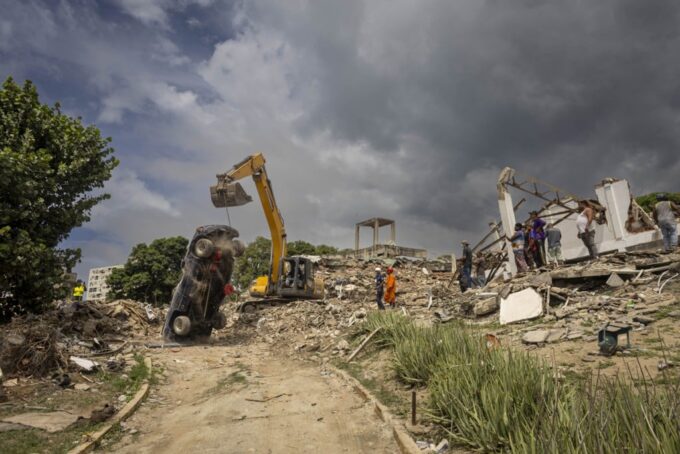


Transforming Tragedy: The Rebirth of La Guaira Through Innovation and Resilience
Discover how La Guaira is turning the devastation from recent earthquakes into...
2 Mins read
