
Deciphering Climate Impact: The Rise of Extreme Event Attribution

Understanding the Unseen Forces of Climate Change
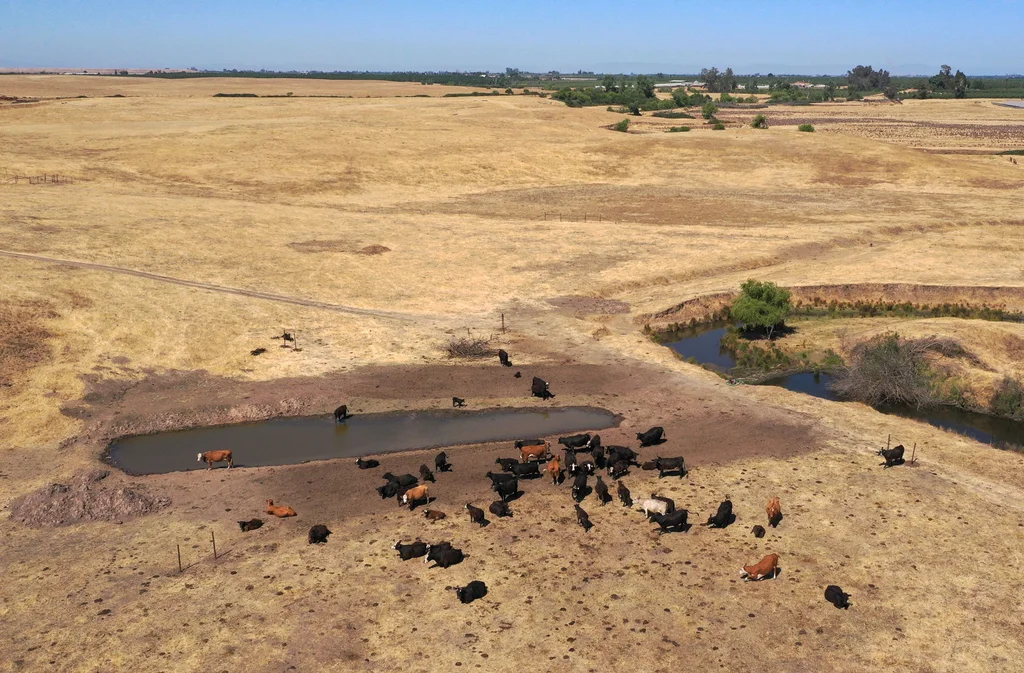
As the frequency and intensity of extreme weather events rise, the scientific community faces a pressing question: How does climate change shape these occurrences? In recent years, the field of extreme event attribution has emerged as a pivotal area of research, enabling scientists to quantify the extent to which human-caused climate change contributes to individual weather events. From devastating hurricanes to relentless droughts, this innovative approach is transforming our comprehension of climate dynamics.
From General Trends to Specific Impacts
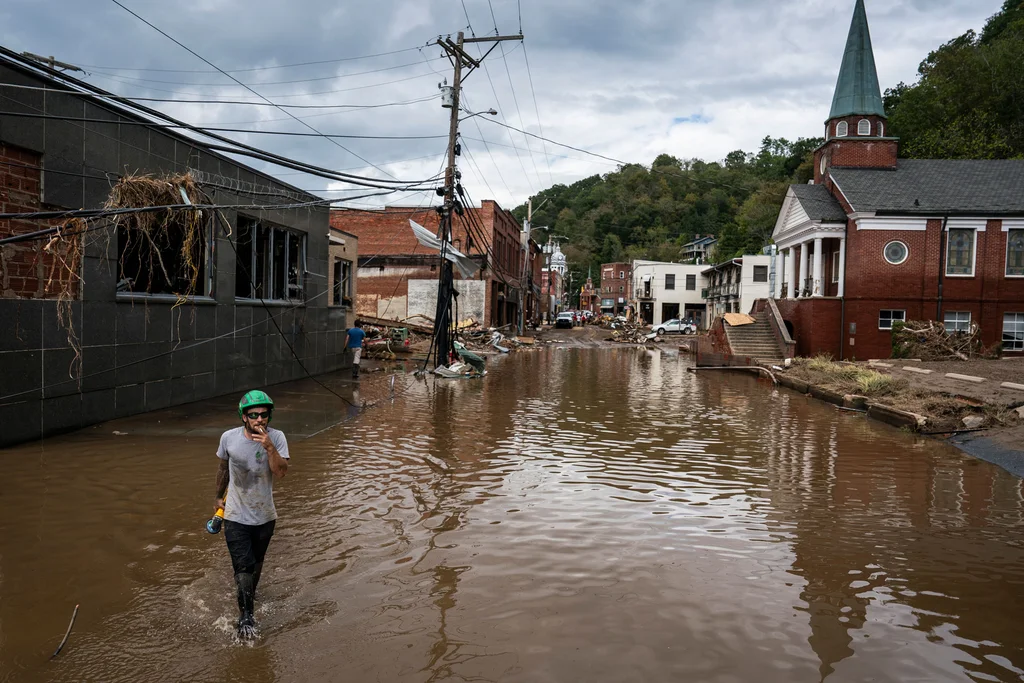
Historically, scientists could only discuss the broader implications of climate change on extreme weather, noting that increased greenhouse gas emissions generally correlated with rising temperatures and erratic weather patterns. However, the advent of advanced methodologies and enhanced climate models has allowed researchers to delve deeper, providing precise assessments of how climate change influences specific events. For instance, studies have shown that climate change likely intensified the rainfall from Hurricane Harvey, underscoring the direct relationship between anthropogenic factors and extreme weather outcomes.
The Mechanics of Attribution Science
Attribution science operates on two primary methodologies. The first approach evaluates the occurrence rates of particular weather events under current climate conditions compared to a hypothetical world without human-induced climate influence. The second method investigates how climate change affects the characteristics of these events, such as the intensity of rainfall in a storm or the severity of heat waves. By employing these dual strategies, scientists are crafting a more nuanced narrative around climate change’s role in extreme weather.
The Gradations of Confidence in Attribution
Not all extreme weather events provide equal opportunities for analysis. The latest reports indicate that scientists possess greater confidence in attributing climate change’s impact on extreme heat and heavy rainfall events, while phenomena like tornadoes and severe thunderstorms remain more challenging. The inherent complexities in these smaller-scale weather patterns, compounded by inconsistencies in data collection, contribute to this uncertainty. Nevertheless, the ongoing advancements in observational technologies and climate modeling are progressively bridging these gaps, enhancing our understanding of climate interactions.
Lessons for Miami: Preparing for the Future
For Miami—a city acutely aware of its vulnerability to climate change—this research holds significant implications. The insights gained from extreme event attribution can empower local governments, businesses, and communities to make informed decisions regarding urban planning, infrastructure resilience, and disaster preparedness. Understanding how climate change might influence future rainfall patterns or hurricane intensity can guide Miami’s strategies for flood mitigation and urban development, ultimately fostering a more resilient city.
Scientific Advancements: A Beacon of Hope
The evolution of extreme event attribution since its inception signals a hopeful trajectory in climate science. Increased collaboration among international research teams, coupled with rapid attribution studies conducted shortly after significant weather events, has enriched our understanding of climate impacts. As researchers continue to refine their methodologies and incorporate new data, the potential for timely, reliable insights into the effects of climate change becomes increasingly feasible.
Looking Ahead: The Role of Attribution Science
The future of extreme event attribution is not merely academic; it holds profound practical significance. As communities grapple with the realities of climate change, clear and actionable data can aid in adapting to evolving risks. By highlighting where scientific confidence lies and identifying areas requiring further research, attribution studies will play an integral role in shaping our response to climate challenges. The journey toward understanding climate change is ongoing, yet the strides made in attribution science offer a promising lens through which we can envision a more informed and resilient future.
Editorial note: This article was created by A Bit Lavish Miami’s Magazine as an original editorial reinterpretation based on publicly available reporting. Original source: fastcompany.com. Read the original article here: https://www.fastcompany.com/91579448/this-fast-growing-field-is-helping-scientists-pinpoint-climate-changes-impact-on-weather-events.
Images are used for editorial reference with source credit. If an image requires correction or removal, please contact A Bit Lavish.










Revolutionizing Fast Casual: California Pizza Kitchen’s Bold Leap into Vending Technology
Explore California Pizza Kitchen's innovative approach to expanding its brand through autonomous...
 3 Mins read

Ross Stores Plans Ambitious Expansion Amid Strong Earnings
Explore Ross Stores' strategic expansion plans for 2026, driven by impressive earnings...
2 Mins read

Leadership Redefined: What Employees Truly Desire from Their CEOs
Explore the evolving expectations employees have for their CEOs, highlighting key traits...
3 Mins read



Reimagining Productivity: The Art of Task-Batching in a Distracted World
Explore how task-batching can redefine productivity, reduce cognitive costs, and foster uninterrupted...
2 Mins read
