
Nikki Haley Faces Backlash for Critique of GOP Leadership Without Trump Mention

On July 29, 2026, former U.N. Ambassador Nikki Haley faced significant criticism for her recent remarks regarding the failures of the Republican Party. During a press conference, Haley outlined her concerns about the party’s direction and effectiveness but notably refrained from mentioning former President Donald Trump, a polarizing figure whose influence remains strong within the GOP.
Haley’s comments come at a critical juncture as the Republican Party prepares for the 2026 midterm elections, where maintaining party cohesion is paramount. Key figures in the party, including Republican National Committee Chair Ronna McDaniel and various congressional leaders, have expressed discontent with Haley’s approach, interpreting it as an attempt to distance herself from Trump’s legacy while simultaneously seeking to appeal to a broader electorate.
This situation is significant not only for the GOP’s internal dynamics but also for the broader political landscape in the United States. As the party grapples with its identity and future strategy, Haley’s critique underscores the ongoing struggle to balance traditional conservative values with the populist sentiments that Trump has fostered. The implications of this rift could influence voter turnout and party alignment, particularly in battleground states crucial for retaining control of Congress.
Looking ahead, Haley’s position could either strengthen her candidacy for future leadership roles within the party or alienate her from the base that remains loyal to Trump. The Republican Party’s response to these criticisms and its ability to unify in the face of internal dissent will be pivotal as it seeks to regain momentum ahead of the upcoming elections.
Source: 2paragraphs.com









Venezuela Faces New Tropical Waves Following Recent Flooding
The impending tropical waves highlight Venezuela's vulnerability to climate-related disasters amid ongoing...
 1 Mins read

Pentagon Dismisses Publisher and Editor of Stars and Stripes Amid Rising Censorship Concerns
This dismissal underscores ongoing tensions regarding military transparency and freedom of the...
1 Mins read

Kyrsten Sinema Calls for Transparency in Data Center Development
Senator Kyrsten Sinema emphasizes the need for community awareness regarding data centers...
1 Mins read
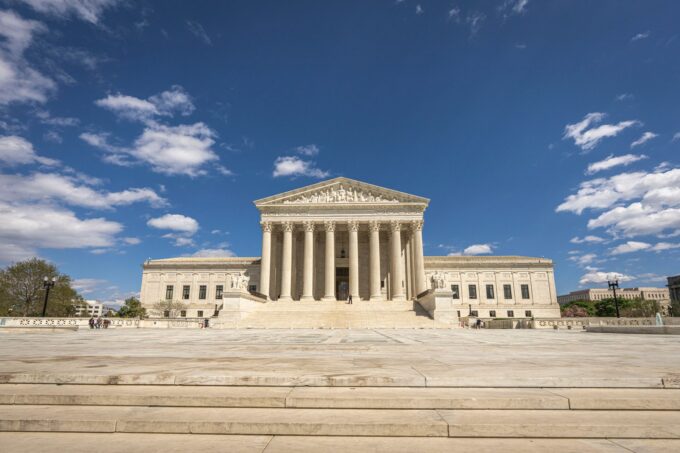


Supreme Court Reaffirms Industry Definition, Sparking Debate on Practical Impact
The Supreme Court's reaffirmation of its industry definition raises questions about its...
1 Mins read