
A Coastal Conundrum: Miami Beach Settles Legal Dispute Over Nikki Beach

A Brush with Controversy
The sun-soaked shores of Miami Beach are no stranger to high-stakes negotiations, but recent developments surrounding the iconic Nikki Beach have brought to light the complexities of waterfront redevelopment. A $3 million settlement between the City of Miami Beach and the operators of Nikki Beach has shifted the narrative, revealing the intricate web of real estate politics, local governance, and community interests.
The Players Involved
At the heart of this legal saga lie the Boucher Brothers, a prominent name in Miami’s hospitality industry, and the Penrod Brothers, who have long operated Nikki Beach. With the city’s beachfront property at stake, this case exemplifies the tensions that often arise in the intersection of public land and private enterprise.
Settlement Dynamics
The resolution came as both parties reached an agreement that sees the Boucher Group and the city each contributing $1.5 million towards the settlement. Notably, Boucher’s payment will be made directly to the Penrod Brothers over time, functioning as a substitute for traditional rent or concession agreement payments. This arrangement underscores the complexities of financial negotiations in real estate, particularly in high-demand coastal markets.

Legal Implications and Community Impact
The lawsuit alleged that Miami Beach officials exhibited favoritism towards the Boucher Brothers and the Major Food Group during the bidding process for the beachfront site. Such allegations raise critical questions about transparency and fairness in local governance, especially in a city that values its waterfront as a key asset in attracting both residents and tourists.
As Miami Beach continues to navigate urban development, the implications of this settlement are profound. It serves as a reminder of the delicate balance between fostering business growth and ensuring that community interests are adequately represented. The outcome of this case could set a precedent for future dealings in the area, influencing how waterfront properties are managed and developed.
The Future of Waterfront Development
Miami Beach’s real estate landscape is characterized by its dynamic nature, where luxury developments often compete with the preservation of cultural and historical landmarks. The Nikki Beach settlement reflects broader trends in the region, where investor interests must align with community values to create sustainable growth.
As the city re-evaluates its approach to waterfront development, stakeholders must consider the lessons learned from this dispute. The importance of inclusive decision-making and community engagement will become paramount as the city embarks on future redevelopment initiatives.
Conclusion: Navigating the Waters Ahead
As Miami Beach moves forward post-settlement, the lessons gleaned from the Nikki Beach case will undoubtedly influence the dialogue surrounding real estate development in the area. The need for a transparent, community-focused approach is more critical than ever, ensuring that the iconic beachfront remains a vibrant and accessible space for all. Investors, city officials, and residents alike will need to collaborate to preserve the unique character of Miami Beach while fostering an environment conducive to growth and innovation.
Editorial note: This article was created by A Bit Lavish Miami’s Magazine as an original editorial reinterpretation based on publicly available reporting. Original source: therealdeal.com. Read the original article here: https://therealdeal.com/miami/2026/05/26/miami-beach-settles-nikki-beach-suit-with-3-million-payment/.
Images are used for editorial reference with source credit. If an image requires correction or removal, please contact A Bit Lavish.










The Brickell Battle: Residents Reignite Opposition to Nobu Tower Project
Brickell homeowners challenge the Nobu-branded condo tower project, as a court ruling...
 2 Mins read
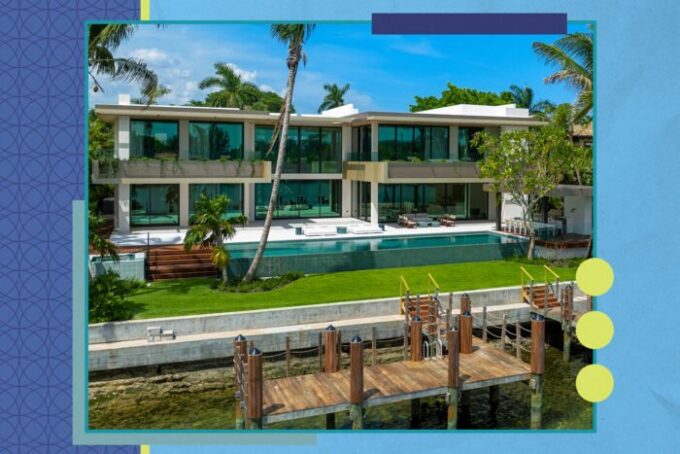
A New Pinnacle in Miami Beach: Unveiling the $52 Million Waterfront Masterpiece
Explore the record-breaking sale of a luxurious Miami Beach estate, showcasing the...
2 Mins read
Luxury Transactions: The Pulse of South Florida Real Estate
Explore the latest high-end real estate transactions in South Florida, revealing trends...
2 Mins read



Ken Griffin’s Strategic Move: Palm Beach Office Building Sold to Blackstone’s Revantage
Billionaire Ken Griffin transitions from a Palm Beach office investment, selling to...
2 Mins read
