
A Convergence of Art and Emotion: Dries Verhoeven’s Provocative Transformation of the Dutch Pavilion

Transformative Encounters in the Heart of Venice
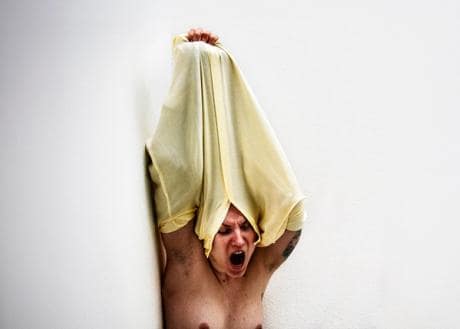
In an audacious reimagining of the Dutch Pavilion at the Venice Biennale, artist Dries Verhoeven has crafted an immersive installation that transcends traditional boundaries of art and space. This year, the pavilion, typically characterized by its airy and open design, has been transformed into a dark, bunker-like environment, inviting visitors into a realm that starkly contrasts its usual brightness.
Capturing Raw Human Emotion
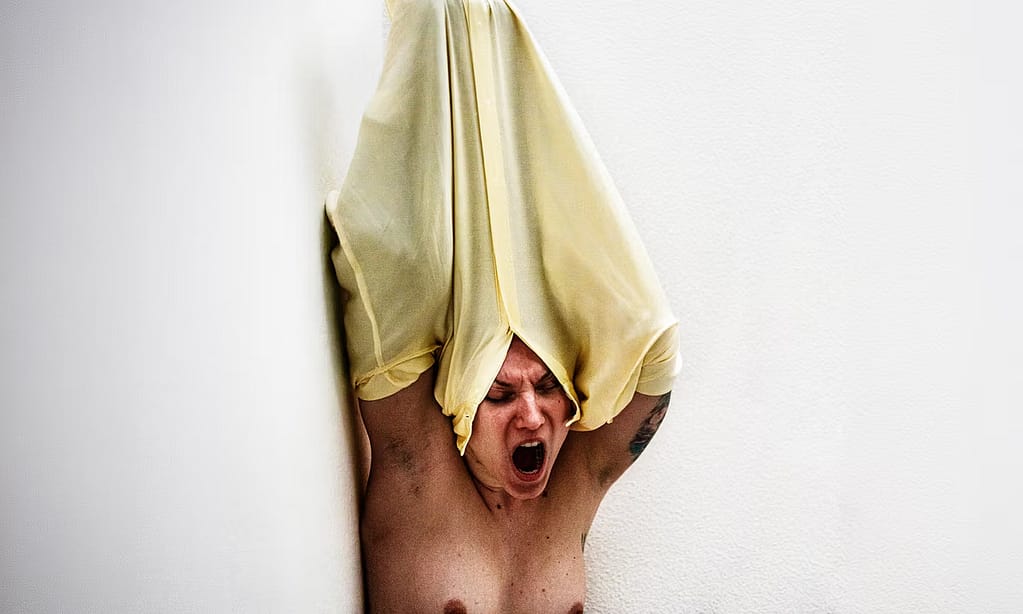
Verhoeven’s decision to envelop the pavilion in shadows is not merely an aesthetic choice, but a deliberate act aimed at evoking a visceral reaction from the audience. He seeks to encapsulate a sense of desperation, channeling the emotional undercurrents that resonate within contemporary society. This transformation calls upon visitors to confront their own vulnerabilities as they navigate through the dimly lit space, where a powerful vocal performance awaits.
The Intersection of Art and Societal Reflection
The installation serves as a poignant commentary on the human condition, particularly in times of collective uncertainty. By creating a space that feels both confining and introspective, Verhoeven invites dialogue about the fragility of existence and the shared struggles that define our humanity. This artistic approach aligns with a broader trend within the art world, where immersive experiences are increasingly utilized to foster deeper connections between the audience and the themes presented.
Provenance and Market Significance
Verhoeven’s work not only speaks to pressing societal themes but also demonstrates the increasing significance of experiential art in the contemporary market. As collectors and institutions seek pieces that offer both emotional depth and cultural relevance, installations like Verhoeven’s gain prominence. The rarity of such immersive works, combined with their ability to engage audiences on multiple levels, positions them as valuable assets within the art market.
Artistic Legacy and the Role of the Collector
As Verhoeven continues to push the boundaries of artistic expression, his legacy becomes intertwined with the evolution of the contemporary art scene. Collectors, who are increasingly drawn to works that challenge perceptions and provoke thought, find themselves not just acquiring art, but also investing in narratives that resonate with the zeitgeist. The Dutch Pavilion, under Verhoeven’s deft stewardship, embodies this shift toward a more profound engagement with art, one that values experience as much as aesthetic appeal.
The Miami Connection
In a city like Miami, where art and culture flourish, the implications of Verhoeven’s installation resonate deeply. The city’s vibrant art scene, showcased annually during Art Basel Miami Beach, reflects a similar ethos of innovation and emotional exploration. As collectors and curators alike navigate the evolving landscape of contemporary art, the lessons gleaned from installations like those at the Venice Biennale can inform future exhibitions and acquisitions, fostering a community that values both artistic expression and cultural dialogue.
A Call to Experience
Ultimately, Dries Verhoeven’s transformation of the Dutch Pavilion is an invitation to experience art in a manner that transcends traditional viewing. It challenges visitors to engage with their emotions and confront the complexities of modern life. As the art world continues to evolve, installations like this remind us of the power of art to reflect, provoke, and inspire.
Editorial note: This article was created by A Bit Lavish Miami’s Magazine as an original editorial reinterpretation based on publicly available reporting. Original source: theartnewspaper.com. Read the original article here: https://www.theartnewspaper.com/2026/05/06/i-wanted-to-catch-the-desperation-dries-verhoeven-on-turning-the-dutch-pavilion-into-a-bunker-for-the-venice-biennale.
Images are used for editorial reference with source credit. If an image requires correction or removal, please contact A Bit Lavish.










Echoes of History: The Loss of a 300-Year-Old Cossack Church in Ukraine
Exploring the cultural significance and tragic loss of the Holy Presentation Church,...
 2 Mins read

A New Chapter: Tim Reeve Takes the Helm at English Heritage
Tim Reeve, former deputy director of the V&A, embarks on a significant...
2 Mins read

A Cultural Exchange: Islamic Art Treasures from the Louvre to Enrich Washington’s Museum Scene
Explore the significance of the Louvre's upcoming loan of Islamic art to...
2 Mins read


Art Under Siege: The Struggle of Activism in Indian Contemporary Art
Exploring the intersection of art, activism, and the implications of dissent in...
3 Mins read
