
A Journey Home: The Restitution of Rapa Nui Ancestors
A Legacy Restored
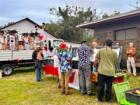
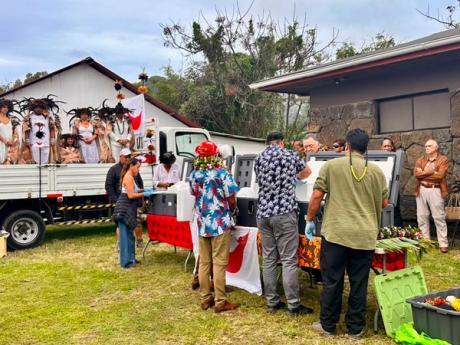
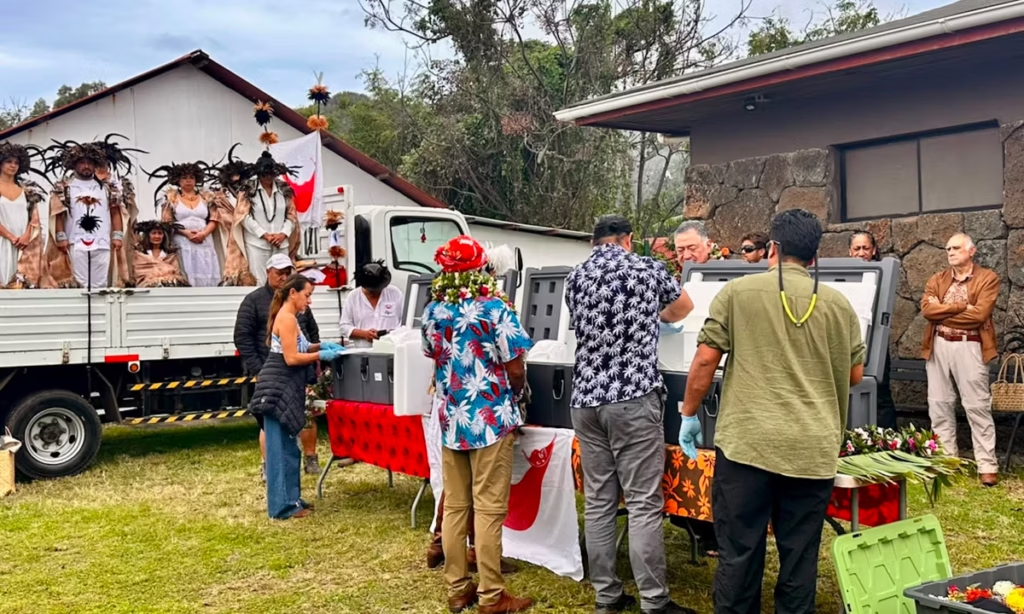
In a poignant act of cultural restitution, the Australian Museum has initiated a significant return of ancestral remains to Easter Island, known as Rapa Nui. This historic move marks a profound moment in the ongoing dialogue surrounding the repatriation of indigenous artifacts, highlighting the intricate dance between heritage, ownership, and the moral imperatives of museums in the 21st century.
Unearthing History
The restitution encompasses a collection of 17 skulls and a hair sample, all unearthed during a German expedition in 1882. The journey of these remains, extracted from their ancestral land over a century ago, is steeped in complex narratives of colonialism and the evolving understanding of cultural significance. These physical remnants serve not only as a testament to the past but also as vital links to the identities and histories of the Rapa Nui people.
Provocative Dialogues
The return of these artifacts invites a broader conversation about the responsibilities of institutions that house indigenous collections. The Australian Museum’s decision reflects a growing recognition of the need for museums to act as stewards rather than mere custodians of cultural artifacts. This sentiment resonates strongly within the art community, where collectors and curators alike are increasingly aware of the provenance and ethical implications surrounding their holdings.
More Than Artifacts
For the Rapa Nui, these human remains are far more than mere artifacts; they embody the spirits of their ancestors and the continuity of their cultural identity. The act of repatriation not only restores physical remains but also rekindles the spiritual connections that have been severed through decades of displacement. This reconnection is paramount in addressing historical injustices and affirming indigenous sovereignty.
The Collector’s Mindset
In the contemporary art market, the story behind a piece often influences its value as much as the item itself. The Rapa Nui remains carry a weighty narrative that elevates their significance beyond traditional metrics of valuation. Collectors and curators are increasingly tasked with considering the ethical dimensions of their collections, often leading to a reevaluation of what constitutes value in art and artifacts.
A Call to Action
The Australian Museum’s repatriation act serves as a clarion call for cultural institutions worldwide. By prioritizing ethical stewardship and engaging in dialogue with indigenous communities, museums can foster a more inclusive narrative that honors the voices of those historically marginalized. This approach not only enriches the cultural landscape but also aligns with the growing demand from collectors and patrons for authenticity and integrity in their acquisitions.
Miami’s Role in the Narrative
As a vibrant hub for art and culture, Miami stands at the crossroads of these significant conversations. The city’s diverse population and rich tapestry of cultures provide a fertile ground for exploring themes of heritage and restitution. Local galleries and museums are increasingly engaging in similar discussions, reflecting the global shift towards a more equitable art world. Miami’s collectors are encouraged to consider the provenance of their pieces, fostering a community that values not only the beauty of art but also the stories and histories embedded within.
Editorial note: This article was created by A Bit Lavish Miami’s Magazine as an original editorial reinterpretation based on publicly available reporting. Original source: theartnewspaper.com. Read the original article here: https://www.theartnewspaper.com/2026/08/04/australian-museum-repatriates-rapa-nui-remains-easter-island.
Images are used for editorial reference with source credit. If an image requires correction or removal, please contact A Bit Lavish.









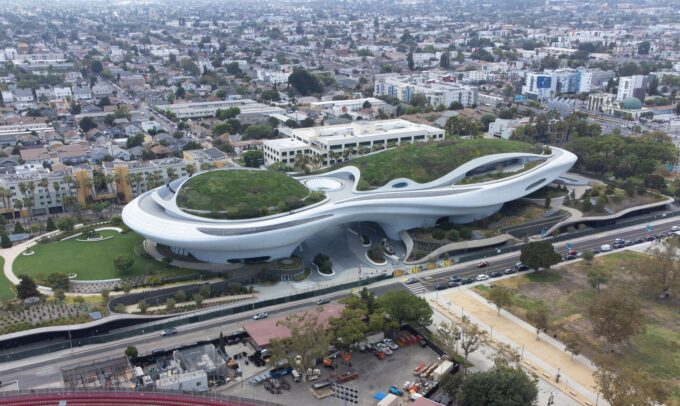
Hollywood Celebrates the Opening of the Lucas Museum of Narrative Art
The Lucas Museum of Narrative Art officially opened its doors, marking a...
 1 Mins read
Archaeologists Race Against Time to Save Centuries-Old Artifacts in Alaska After Typhoon Halong
Urgent efforts are underway to recover invaluable historical artifacts scattered by Typhoon...
1 Mins read

High School Teacher Uncovers Rare T. Rex Tracks in Pivotal Paleontological Discovery
A high school science teacher's remarkable find of rare T. Rex tracks...
2 Mins read


Remembering Peter Max: The Psychedelic Pop Art Icon Who Defined a Generation
Explore the life and legacy of Peter Max, the artist who fused...
 ABL2 Mins read
