
A Legacy of Precision: The Patek Philippe Victorin Piguet Split-Second Wristwatch
The Art of Horological Craftsmanship
In the realm of haute horlogerie, few names resonate with the same level of prestige and sophistication as Patek Philippe. Renowned for their intricate complications and meticulous craftsmanship, the Maison has long been revered by collectors and connoisseurs alike. One of the most significant chapters in their history is marked by their collaboration with Victorin Piguet, a supplier whose ébauches have become synonymous with excellence.
Historical Significance: A Journey Through Time
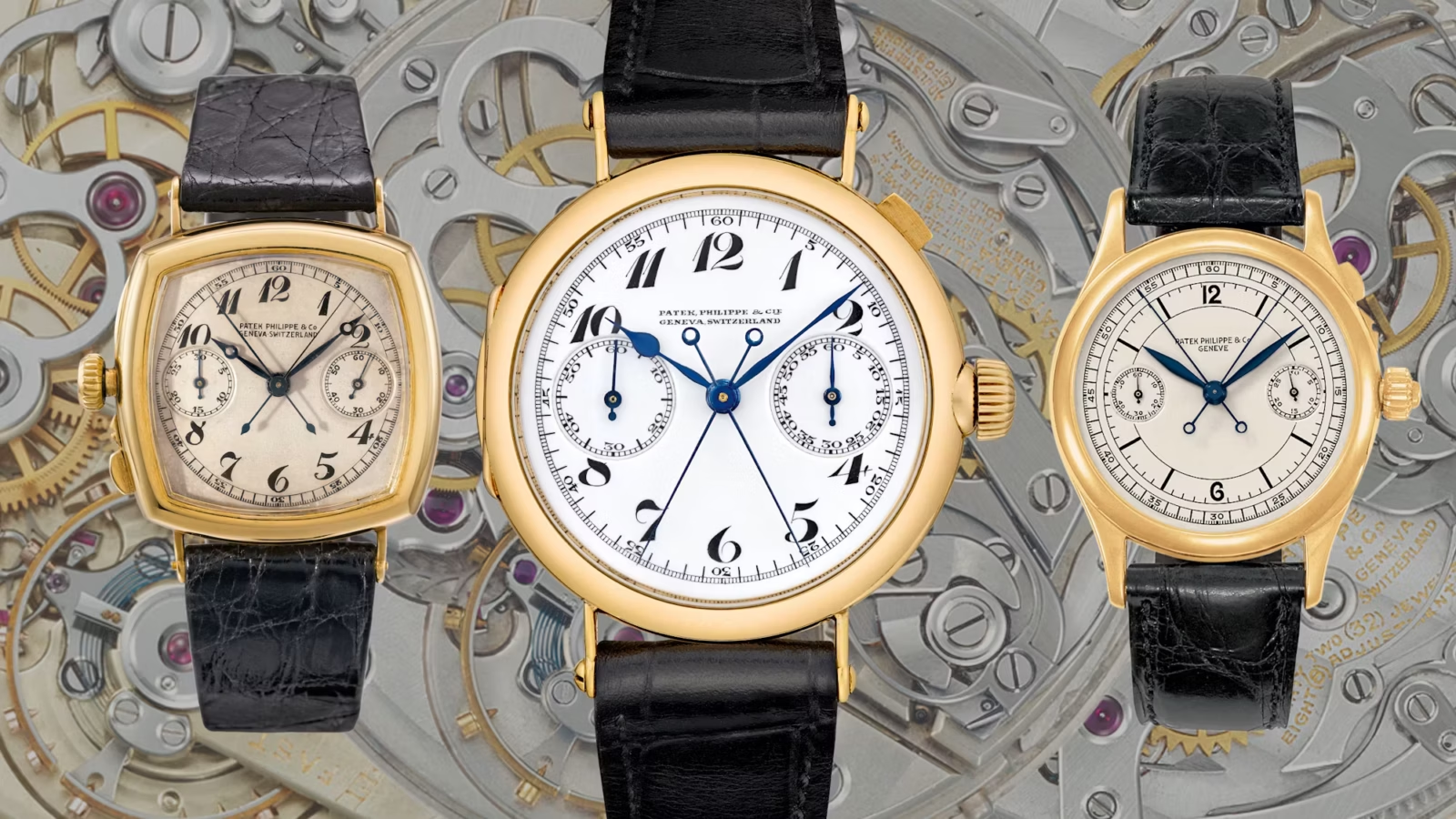
As the wristwatch gained prominence in the early 20th century, Patek Philippe embraced this evolution, producing some of the first split-second chronographs—a notable transition from their pocket watch heritage. The debut of these sophisticated timepieces began in the 1920s, notably with the introduction of a simple chronograph wristwatch in 1924, using a Victorin Piguet 13”’ movement. This marked a pivotal moment, as the demand for wristwatches surged, eventually eclipsing that for pocket watches.
The first-ever split-second wristwatch, crafted in 1923, set the stage for the brand’s future innovations. With its unique design and complex mechanics, it was a bespoke piece ordered by Attilio Ubertalli, a name that echoes through the annals of horological history. This singular creation not only highlights Patek’s pioneering spirit but also underscores the luxurious clientele that the brand catered to.
Mechanics of Excellence: The Victorin Piguet Influence
Victorin Piguet’s craftsmanship has left an indelible mark on the world of wristwatches. The intricate mechanics of the split-second chronograph involve an elaborate system of gears and levers, creating a device that is as much a work of art as it is a tool for precision timing. The beauty of these movements lies in their delicate balance of form and function; the addition of the split-second mechanism, which allows for the simultaneous timing of multiple events, is a testament to both engineering prowess and aesthetic finesse.
During a brief but impactful period, Victorin Piguet supplied Patek Philippe with movements for bespoke orders, resulting in some of the most coveted pieces among collectors today. The ability to customize dials and cases meant that each timepiece was unique, reflecting the individual tastes of its owner. This bespoke nature is a hallmark of luxury and exclusivity, enhancing the allure of these extraordinary watches.
A Collector’s Dream: Rarity and Value
The limited production of Victorin Piguet-based split-second wristwatches has made them sought-after treasures in the auction world. With only a handful of known pieces remaining, including those held by Patek Philippe itself, the market for these timepieces is both competitive and lucrative. Recent sales have seen figures soar into the millions, with unique pieces like the one-time-owned watch of racing legend Henry Segrave fetching extraordinary prices, underscoring their investment value.
However, potential buyers must navigate the complexities of restoration and provenance. Many of these historical pieces have undergone significant restoration, particularly of their dials, which can impact their authenticity and value. As such, while the allure of ownership is strong, it requires a discerning eye and a deep understanding of the market dynamics at play.
The Intersection of Heritage and Innovation
Patek Philippe’s journey with Victorin Piguet exemplifies the brand’s commitment to both heritage and innovation. Transitioning from bespoke pieces to a more standardized production model in the 1930s, the Maison maintained its reputation for excellence while adapting to changing market demands. This duality continues to define Patek Philippe today, as they honor their storied past while embracing the future of watchmaking.
The Victorin Piguet split-second wristwatches remain a testament to this legacy, combining unparalleled craftsmanship with a rich history that resonates with collectors. As the desire for unique, high-caliber timepieces grows, these watches stand as a pinnacle of investment potential and horological artistry.
Conclusion: The Allure of Timeless Craftsmanship
In a world increasingly driven by mass production, the Patek Philippe Victorin Piguet Split-Second Wristwatch serves as a reminder of the beauty of bespoke craftsmanship and the passion that fuels the world of luxury watches. For those fortunate enough to own one of these masterpieces, it is not merely a timepiece but a piece of history—an exquisite blend of artistry, innovation, and personal narrative that transcends generations.


Audemars Piguet Launches First Jewelry Line: The Royal Oak Joaillerie Collection
The luxury watchmaker Audemars Piguet has unveiled its inaugural jewelry line, marking...
 1 Mins read
Audemars Piguet Launches First Jewelry Line Targeting Female Buyers
The luxury watchmaker Audemars Piguet has unveiled its inaugural jewelry line aimed...
1 Mins read


Watches Of Switzerland Group Launches First Joint-Retail Space at Centurion Jewelry Show
The Watches Of Switzerland Group has opened its inaugural joint-retail space at...
2 Mins read

Patek Philippe Unveils New Gondolo Ladies First Timepieces
The introduction of the Gondolo Ladies First timepieces marks a pivotal moment...
2 Mins read