
A Power Struggle in Paradise: Homeowners Challenge Developer’s Dominance in Homestead
 ABLUpdated 1 month Ago3 Mins read53
Unraveling the Community Dynamics
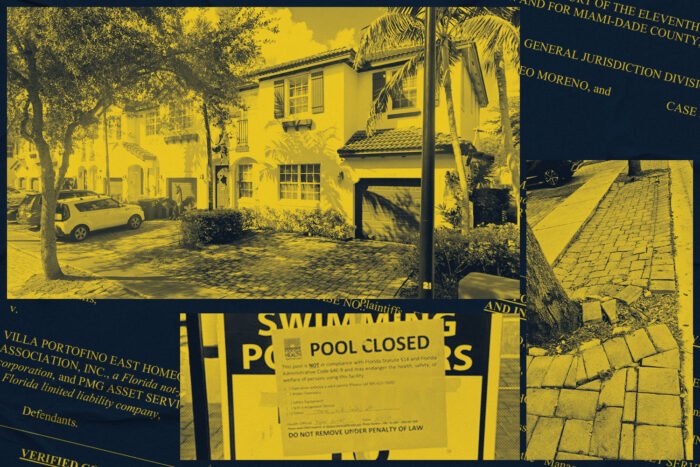
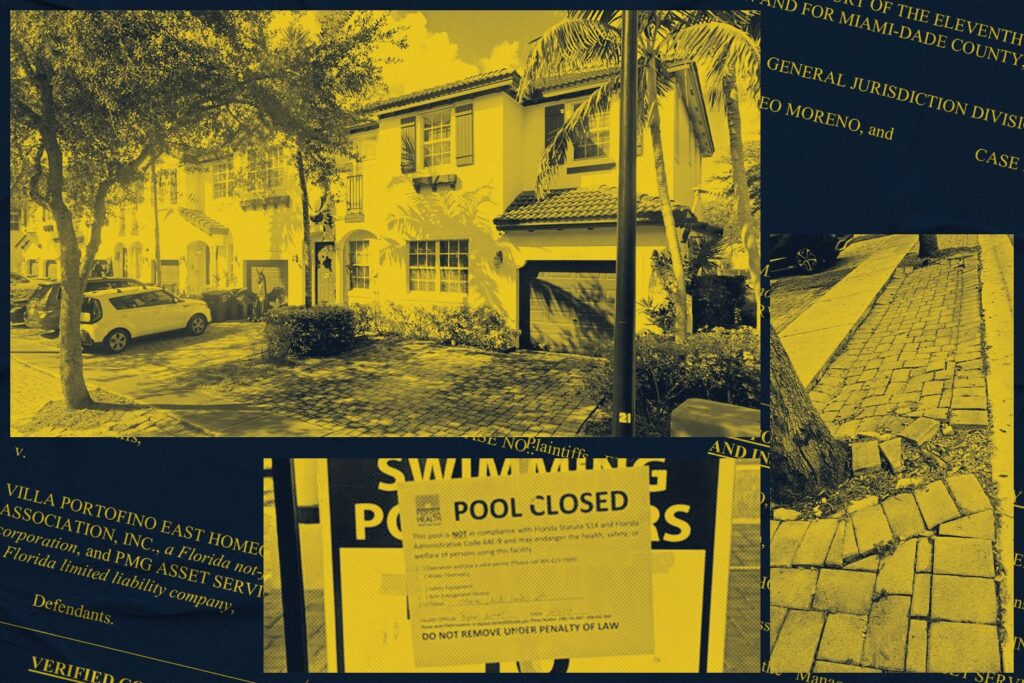
In the sun-drenched expanse of Homestead, Florida, a gripping tale of power and ownership is unfolding within the confines of a townhouse complex named Villa Portofino East. This residential enclave, adorned with 117 two-story homes painted in chalk white with elegant brown accents, has become the setting for a contentious legal battle that underscores the complexities of Florida’s homeowners’ association (HOA) regulations.
At the heart of the dispute lies a controversial allegation against Prime Homes, an affiliate of Prime Group, which has reportedly maintained control over the HOA for an astounding twenty years. As the real estate landscape in Miami continues to evolve, this case serves as a microcosm of broader issues surrounding developer influence and homeowner autonomy.
The Role of Homeowners’ Associations
Homeowners’ associations are designed to offer structure and governance within residential communities, ensuring that communal areas are maintained and that residents adhere to agreed-upon standards. Typically, the transition of control from developers to homeowners is intended to occur once a majority of property parcels are sold. However, this process can become muddied when developers, as seen in this scenario, retain influence long after their initial obligations are fulfilled.
A Legal Challenge to Developer Control
The ongoing lawsuit filed by residents of Villa Portofino East seeks to challenge the longstanding dominance of Prime Homes over their HOA. Allegations indicate that the developer has strategically appointed its own employees and affiliates to the HOA board, thereby undermining the interests of the homeowners. This legal confrontation raises important questions about governance and accountability in residential areas, particularly within markets as dynamic as Miami’s.
The Broader Implications for Miami’s Real Estate Market
As Miami’s real estate market continues to attract investors and new residents, the implications of this lawsuit extend beyond the immediate homeowners in Homestead. The ability of developers to maintain control over HOAs can shape community governance and affect property values. A lack of homeowner representation can lead to decisions that prioritize developer interests over those of the community, potentially stifling the vibrant, diverse lifestyle that Miami is known for.
Furthermore, the outcome of this case may influence future developments across the region, prompting homeowners and potential buyers to scrutinize the governance structures in new communities more closely. This heightened awareness could shift the balance of power, encouraging developers to adopt more transparent practices in their dealings with residents.
A Reflection of Miami’s Waterfront Lifestyle
For many, the allure of Miami lies not only in its pristine beaches and vibrant nightlife but also in the sense of community that residential developments promise. As waterfront properties continue to grow in popularity, ensuring that residents have a voice in their communities is paramount.
The Villa Portofino East case encapsulates the delicate balance between development and community autonomy, with homeowners advocating for a more equitable governance structure that reflects their interests. This ongoing struggle is a reminder that as Miami evolves, so too must the frameworks that guide its residential landscapes.
Looking Ahead: The Future of Homeownership in Miami
The legal battle in Homestead serves as a critical case study for homeowners and developers alike. As Miami’s real estate market flourishes, it is essential for both parties to engage in open dialogues about governance, control, and the responsibilities that accompany property ownership.
As the lawsuit progresses, the residents of Villa Portofino East stand at a crossroads—fighting not only for their rights but also setting a precedent that could reverberate throughout Florida’s housing landscape. The outcome could very well redefine the relationship between developers and homeowners, paving the way for a more balanced and equitable approach to community living in one of America’s most desirable markets.
Editorial note: This article was created by A Bit Lavish Miami’s Magazine as an original editorial reinterpretation based on publicly available reporting. Original source: therealdeal.com. Read the original article here: https://therealdeal.com/miami/2026/06/01/prime-group-affiliate-sued-over-homestead-townhouse-hoa/.
Images are used for editorial reference with source credit. If an image requires correction or removal, please contact A Bit Lavish.










A New Approach to Housing: PTM Partners and Peacock Capital’s Vision for Affordable Living
Explore how PTM Partners and Peacock Capital are redefining affordable housing in...
 2 Mins read
Tula Residences: Defining Luxury Living in North Bay Village
Explore Tula Residences, an exquisite addition to North Bay Village's luxury real...
3 Mins read
Transforming Coral Gables: The Rise of Ponce Park
Explore the luxury and architectural elegance of Ponce Park, an upcoming ultra-luxury...
2 Mins read



Progress Residential Secures $385 Million Refinancing for Expansive Florida Portfolio
Progress Residential has successfully secured a $385 million refinancing deal for its...
ABL2 Mins read
