
A Shift in Miami’s Real Estate Landscape: The Implications of Proposed Property Tax Cuts
 ABLUpdated 1 month Ago2 Mins read43

Introduction to a Changing Fiscal Climate
As November approaches, Floridians find themselves on the cusp of a pivotal decision that could reshape the economic landscape of the state, particularly in Miami’s dynamic real estate market. The proposal, championed by Governor Ron DeSantis, seeks to significantly reduce property taxes for homesteaded properties, a move that has garnered considerable attention and debate.
The Proposed Amendment: A Closer Look
The constitutional amendment, known as “Save Our Homes from Excessive Property Taxes,” aims to escalate the current homestead exemption dramatically. Under this plan, the exemption would rise from $50,000 to $150,000 in 2027, and further to $250,000 by 2028. Such an increase could provide substantial relief to homeowners across Florida, allowing them to retain more of their income while potentially stimulating further investment in their properties.
Impact on Local Governments and Services
While the proposed tax cuts promise to benefit homeowners, they also raise concerns regarding their effects on local governments and essential services. The reduction in property tax revenues could challenge the ability of municipalities to fund vital public services such as education, emergency services, and infrastructure maintenance. Fire departments, police services, and local governance will all face pressures to adjust budgets accordingly, potentially leading to service cuts or reevaluated funding strategies.

The Real Estate Ripple Effect
For Miami, a city characterized by its vibrant real estate market and luxury developments, the implications of this tax amendment could be profound. On one hand, enhanced exemptions may entice more residents to settle in the region, further fueling demand for high-end properties. This influx could lead to increased property values, benefitting current homeowners and investors alike.
However, a potential downside exists; as local governments grapple with decreased revenue, the burden may shift to alternative funding sources, possibly impacting future development projects and zoning laws. Developers must navigate this uncertain terrain, adjusting their strategies to align with the evolving financial landscape.
Miami’s Waterfront Lifestyle: A Catalyst for Investment
The allure of Miami’s waterfront lifestyle continues to be a significant driver of investment, and the proposed tax cuts may enhance this appeal. With picturesque ocean views and a thriving cultural scene, the city attracts affluent buyers from around the globe. The anticipated tax relief could further incentivize high-net-worth individuals to consider Miami as a primary residence, driving up demand for luxury real estate in exclusive neighborhoods.
What Lies Ahead for Voters
The proposed amendment will require a 60 percent approval rate from voters to take effect. As the election date nears, the outcome remains uncertain, with various factions rallying for and against the measure. Homeowners are encouraged to weigh the benefits of reduced taxes against the potential consequences on community funding and service delivery.
Ultimately, the decision will not only affect individual homeowners but also the broader economic health of Miami and beyond. The interplay between tax policy, real estate dynamics, and local governance will shape the future of Florida’s distinctive lifestyle and investment landscape.
Editorial note: This article was created by A Bit Lavish Miami’s Magazine as an original editorial reinterpretation based on publicly available reporting. Original source: therealdeal.com. Read the original article here: https://therealdeal.com/miami/2026/06/02/florida-voters-to-decide-on-property-tax-cuts/.
Images are used for editorial reference with source credit. If an image requires correction or removal, please contact A Bit Lavish.










A New Approach to Housing: PTM Partners and Peacock Capital’s Vision for Affordable Living
Explore how PTM Partners and Peacock Capital are redefining affordable housing in...
 2 Mins read
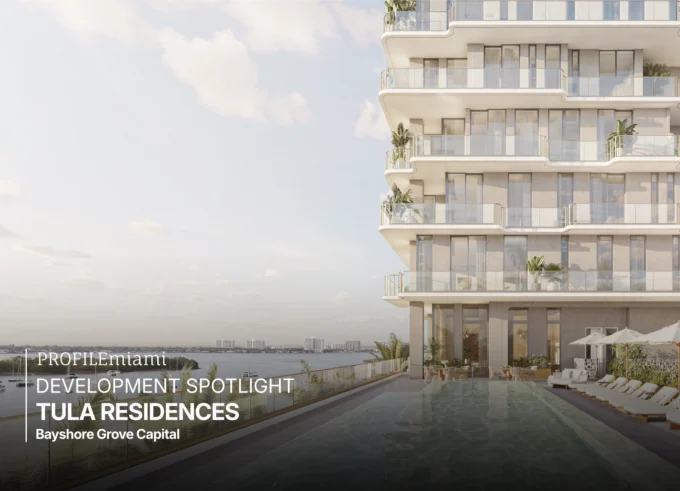
Tula Residences: Defining Luxury Living in North Bay Village
Explore Tula Residences, an exquisite addition to North Bay Village's luxury real...
3 Mins read

Transforming Coral Gables: The Rise of Ponce Park
Explore the luxury and architectural elegance of Ponce Park, an upcoming ultra-luxury...
2 Mins read



Progress Residential Secures $385 Million Refinancing for Expansive Florida Portfolio
Progress Residential has successfully secured a $385 million refinancing deal for its...
ABL2 Mins read
