
A Timeless Lens: Celebrating the Legacy of Julia Margaret Cameron
 ABLUpdated 5 months Ago2 Mins read124

Illuminating the Shadows of History
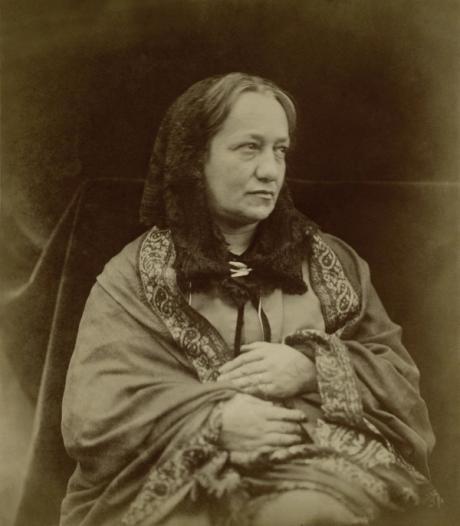
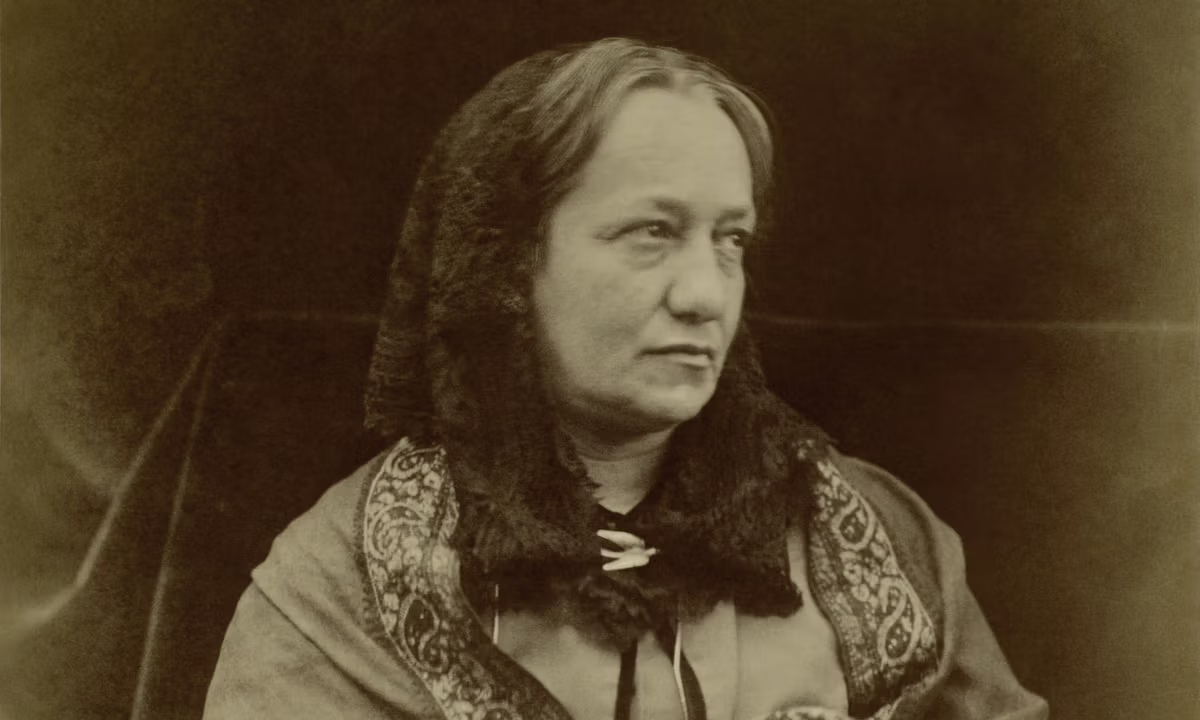
In the enchanting realm of photography, few figures loom as large as Julia Margaret Cameron, a 19th-century trailblazer whose work transcended the visual arts and ventured into the depths of human emotion. Known for her evocative portraits of literary titans such as Alfred Lord Tennyson and scientific luminaries like Charles Darwin, Cameron’s artistry continues to resonate, echoing through the annals of both art history and contemporary culture.
Honoring a Visionary
Recently, the significance of Cameron’s contributions was celebrated with the unveiling of a blue plaque in London, a testament to her enduring influence. This tribute was not merely a ceremonial nod to her past; it was an acknowledgment of her pioneering spirit and the transformative power of her work. Descendants of Cameron gathered to honor her legacy, a poignant reminder of the familial ties that bind us to the great narratives of history.
A New Perspective on Portraiture
Cameron’s approach to photography was revolutionary for her time. Working at a period when the art form was still in its infancy, she harnessed the medium not just to capture likenesses but to explore the inner worlds of her subjects. Her portraits, often characterized by soft focus and dramatic lighting, invite viewers into a realm where emotion reigns supreme. This technique not only set her apart from her contemporaries but also laid the groundwork for future generations of photographers.
The Alchemy of Art and Science
Julia Margaret Cameron’s work stands at the intersection of art and the burgeoning fields of science and literature. Her portraits of figures like Tennyson and Darwin underscore the cultural zeitgeist of the Victorian era, where the exploration of human thought was as fervent as the scientific endeavors of the time. Cameron’s ability to imbue her images with a sense of narrative depth is a testament to her understanding of the intellectual currents that shaped her world.
Rarity and Provenance in the Art Market
For collectors, the allure of Cameron’s work lies not only in its aesthetic appeal but also in its provenance. As photography becomes an increasingly significant segment of the art market, the rarity of her original prints elevates their status among connoisseurs. Each piece not only represents a moment in time but also embodies the spirit of an artist who dared to innovate and defy the conventions of her era. As her work garners renewed attention, collectors are keenly aware of the potential for both emotional and financial investment in these historical artifacts.
Legacy and Influence
Julia Margaret Cameron’s legacy extends far beyond her own lifetime. She inspired countless artists and photographers to explore the emotional landscape of their subjects, encouraging a more intimate, expressive style that remains prevalent today. As we reflect on her contributions, it is essential to recognize that her work not only enriches the world of art but also invites us to engage with the stories and complexities of those who came before us.
A Call to Contemporary Collectors
As the art world continues to evolve, modern collectors would be wise to seek out works that embody not just aesthetic beauty but also rich historical significance. Julia Margaret Cameron stands as a beacon for those who appreciate the stories behind the artworks they acquire. Her recent recognition with a blue plaque serves as a reminder of the power of art to transcend time, connecting us to the past while shaping our understanding of the present.
Editorial note: This article was created by A Bit Lavish Miami’s Magazine as an original editorial reinterpretation based on publicly available reporting. Original source: theartnewspaper.com. Read the original article here: https://www.theartnewspaper.com/2026/05/12/pioneering-british-photographer-julia-margaret-cameron-is-honoured-with-english-heritage-blue-plaque-in-london.
Images are used for editorial reference with source credit. If an image requires correction or removal, please contact A Bit Lavish.



Houston’s Art Renaissance: A Canvas of Opportunity
Exploring Houston's burgeoning art scene through the lens of the recent Untitled...
ABL2 Mins read

Harvesting Talent: Atlanta Art Fair’s Flourishing Platform for Local Artists
Explore how the Atlanta Art Fair is nurturing local talent and shaping...
ABL2 Mins read

Stolen ‘Walking Dead’ Comic Book Resurfaces at Pawn Shop, Seller Linked to Another Theft
A valuable comic book linked to a recent theft has surfaced at...
 2 Mins read


The Eternal Allure of Jean Schlumberger: A Legacy Reimagined
Explore the lasting impact of Jean Schlumberger's innovative jewelry design as Tiffany...
2 Mins read
