
Art in the Balance: The Intersection of Copyright and Cultural Heritage
Unveiling the Layers of Artistic Ownership
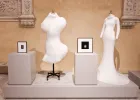
The realm of art is often fraught with questions of ownership and acknowledgment, a theme recently brought to the forefront by British artist Anouska Samms. Her claim regarding a dress she created, allegedly showcased in a costume exhibition at The Metropolitan Museum of Art without proper credit, raises critical discussions about intellectual property rights within the art community.
The Fabric of a Dispute
As exhibitions continue to celebrate the evolution of fashion and costume design, the implications of Samms’ assertion extend far beyond personal grievance. The dress in question, which has garnered attention for its unique design and cultural significance, sits at the crossroads of art and commerce, prompting a deeper investigation into the responsibilities of institutions like The Met.
Legacy and Recognition: A Delicate Balance
In a world where the lines between inspiration and replication blur, the role of museums as stewards of cultural heritage becomes even more vital. Samms’ case encapsulates a broader narrative about how artists are recognized and respected in their contributions. The absence of credit can diminish an artist’s legacy, jeopardizing their standing in an already competitive market.

The Market for Art and Fashion
For collectors and investors, understanding the provenance of an artwork or design piece is paramount. The story behind a creation adds to its market value, making proper acknowledgment of the artist’s work not just a matter of ethics, but one of economic significance. As the art world evolves, so too must the frameworks that govern these interactions, ensuring that the roots of artistic creation are respected.
Miami’s Cultural Landscape and the Global Conversation
In Miami, a city renowned for its vibrant art scene and cultural diversity, the conversation surrounding copyright and recognition resonates strongly. As collectors flock to Art Basel and other high-profile events, the importance of understanding artists’ rights becomes a central theme in discussions about art investment and acquisition. Miami’s galleries and institutions have the opportunity to lead by example, fostering an environment that celebrates creativity while protecting the rights of creators.
A Call to Action for Cultural Institutions
As the discourse around Samms’ claims progresses, it serves as a pivotal moment for cultural institutions like The Met to re-evaluate their practices concerning artist recognition. The responsibility to credit and acknowledge artists must be upheld to preserve the integrity of both the art and the institutions that house it. Such a commitment not only enhances the value of the works displayed but also enriches the cultural narrative presented to the public.
Conclusion: Charting a Path Forward
As the dialogue surrounding copyright and artistic recognition unfolds, it is essential for both artists and institutions to engage in constructive conversations that seek to protect and celebrate creativity. The art world thrives on collaboration and respect; thus, addressing these challenges head-on will foster a healthier environment for future generations of creators and curators alike.

Editorial note: This article was created by A Bit Lavish Miami’s Magazine as an original editorial reinterpretation based on publicly available reporting. Original source: theartnewspaper.com. Read the original article here: https://www.theartnewspaper.com/2026/05/19/british-artist-says-the-met-should-take-responsibility-for-dress-copyright-dispute.
Images are used for editorial reference with source credit. If an image requires correction or removal, please contact A Bit Lavish.









Controversy in the Hamptons: The Legal Battle Over a Monumental Sculpture
Explore the intriguing legal dispute surrounding a towering sculpture in East Hampton,...
 2 Mins read

Elvira Dyangani Ose: A New Vision for Cape Town’s Zeitz MoCAA
Elvira Dyangani Ose is set to bring her unique artistic vision to...
2 Mins read

Unveiling a Legacy: The Art of the Palio Drappellone
Discover the cultural significance and artistic mastery behind the hand-painted drappellone for...
2 Mins read



Unearthing Artistic Heritage: The Moche Civilization’s Legacy Through Ceramics
Discover the significance of the recent archaeological findings at Cerro Mayal, which...
 ABL2 Mins read
