
Assessing the Current Status of the Iran Conflict: A Shift in Momentum

As of July 10, 2026, the Iran conflict remains a focal point of international attention, with the White House under increasing pressure to demonstrate progress in its military and diplomatic strategies. The latest assessment reveals that President Donald Trump’s administration is struggling to achieve tangible results in what has become a protracted and complex engagement. Key players in this scenario include Iran’s military forces, U.S. armed services, and a coalition of allied nations that have been drawn into the conflict.
The report card issued by the White House highlights a series of setbacks for U.S. forces, including escalating tensions along the Persian Gulf and increased Iranian military capabilities. Despite substantial investment in military assets, U.S. officials have acknowledged that the objectives set forth at the outset of the conflict remain largely unfulfilled. This has raised questions not only about Trump’s strategic vision but also about the efficacy of American foreign policy in the Middle East.
This situation is critical as it impacts global stability, particularly concerning oil supply routes and the geopolitical balance of power in the region. With Iran’s influence expanding, regional allies such as Israel and Saudi Arabia are closely monitoring developments, concerned about the implications for their own security and economic interests. Furthermore, international markets are responding to the uncertainty, affecting oil prices and investor confidence worldwide.
Looking ahead, the potential for escalation remains high, with both military and diplomatic avenues on the table. Analysts suggest that without a shift in strategy, the conflict may continue to spiral, leading to broader regional implications. The administration must now consider whether to recalibrate its approach to engage more effectively with both allies and adversaries, or risk further entrenchment in a conflict that many are beginning to view as unwinnable.
Source: Washington Examiner










Global Observance of August 7: Significant Historical Events Mark the Day
August 7 holds historical significance, reminding leaders of past global events that...
 1 Mins read

Former FBI Director Robert Mueller Passes Away at 81
The death of Robert Mueller, a key figure in American law enforcement,...
1 Mins read
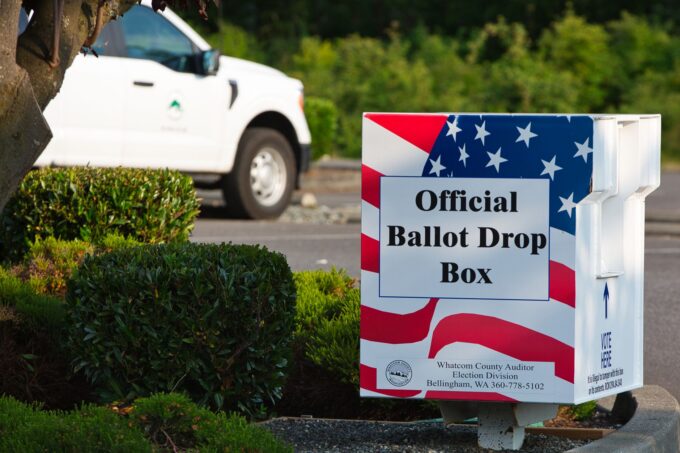
County Requests $25 Million to Fund Strategic Development Projects
This funding initiative underscores local government efforts to stimulate economic growth amid...
1 Mins read



Venezuela Faces Critical Political Crossroads Amid Economic Turmoil on August 7, 2026
Venezuela's ongoing economic crisis poses significant challenges for democratic governance and regional...
1 Mins read
