
Behind Bars and Beyond: The Ongoing Struggles of Venezuela’s Political Prisoners
A Fragile Freedom
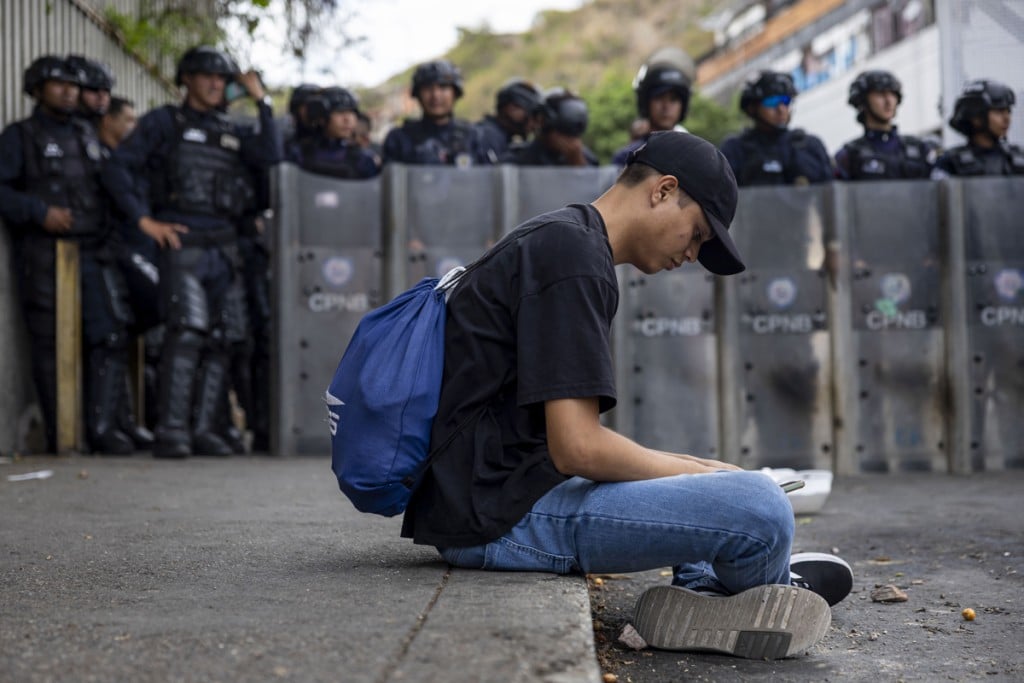
In Venezuela, the release of political prisoners is often celebrated as a sign of hope, yet for many, it marks the beginning of a new struggle rather than the end of suffering. While families breathe a sigh of relief upon their loved ones’ release, the shadow of the judicial system looms large, perpetuating a cycle of fear and uncertainty.
The Reality of Conditional Freedom
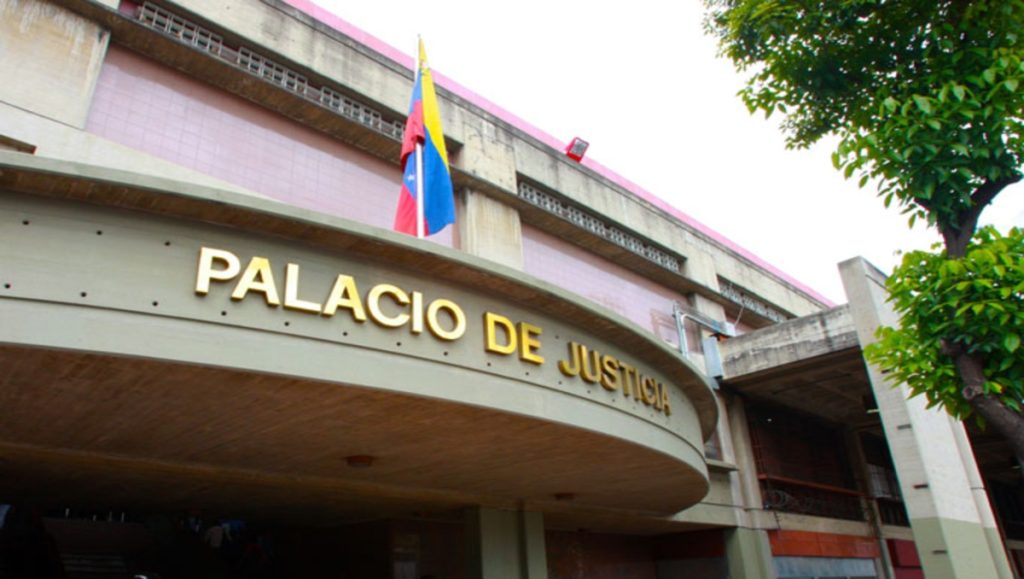
Despite stepping out of prison walls, many ex-prisoners find themselves shackled by stringent conditions that render their freedom conditional. Individuals like Leomar Andrés Guerra Sánchez, who spent nearly two years behind bars for a seemingly innocuous act, now face the daunting task of making regular appearances before the courts. These visits require arduous travel from distant regions to the capital, Caracas, a requirement that exacerbates the already heavy burden on their families.
Economic Strain and Social Stigma
The impact of incarceration extends beyond the individual, affecting entire families who have endured financial ruin while supporting their imprisoned relatives. Martha Tineo, a human rights advocate, emphasizes how these families often struggle to balance limited resources between sustaining their households and supporting their loved ones behind bars. The reintroduction of ex-prisoners into society is fraught with challenges, including the stigma of a criminal record that hinders their ability to secure employment and reintegrate into a community that often views them with suspicion.
A Shadow of Fear
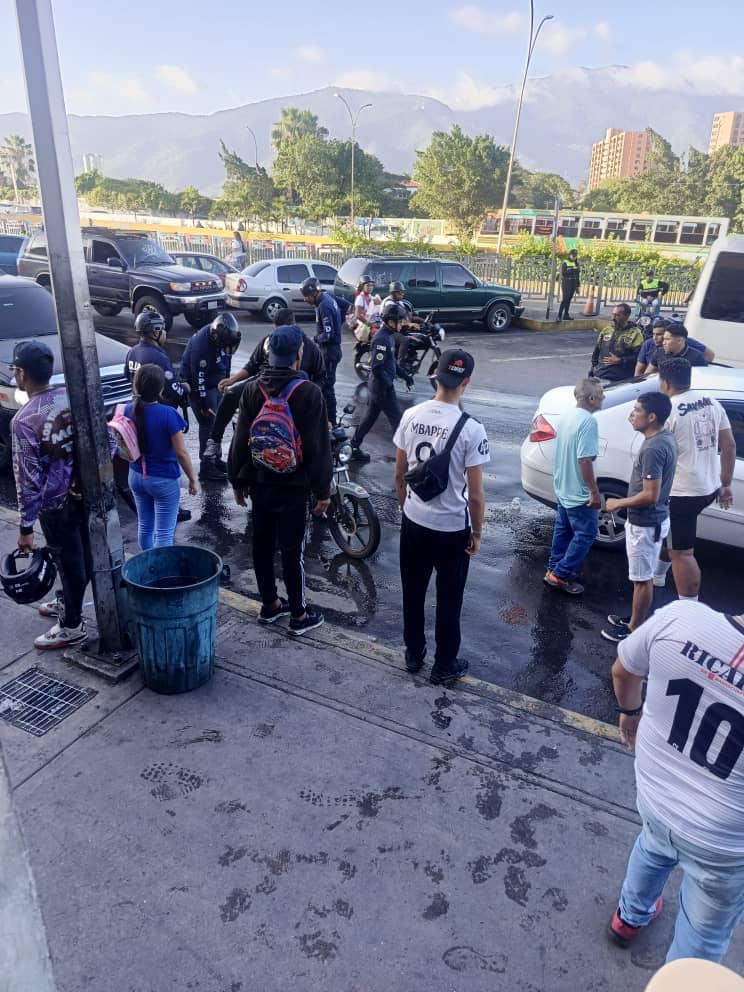
The psychological toll of this experience is profound. Ex-prisoners like Bruno Josué Juárez Flores express a constant fear of being apprehended again due to their prior convictions. Despite having been released under conditional terms, he describes feeling like a prisoner in his own city. This pervasive anxiety is not unfounded; the risk of being stopped at police checkpoints and facing harassment due to their records remains a significant concern.
Survival Strategies Behind Bars
During their time in detention, many prisoners developed coping mechanisms to mitigate the harsh realities of life behind bars. For Bruno, learning to cut hair became a means of survival, allowing him to earn a small income to supplement the meager provisions provided by the prison system. Such skills not only provided sustenance during incarceration but also cultivated a sense of agency in an otherwise oppressive environment.
Opaque Judicial Processes
The lack of transparency in the Venezuelan judicial system further complicates the lives of ex-prisoners. The disparity between official statistics and the realities faced by families underscores the challenges of obtaining accurate information regarding their legal standing. Advocacy groups continue to document the discrepancies, revealing a stark contrast between state announcements and the lived experiences of those affected.
Moving Forward Amidst Challenges
As ex-prisoners navigate the complexities of a society that often marginalizes them, the call for true freedom extends beyond mere release from incarceration. It encapsulates the need for the restoration of their rights, social acceptance, and the dismantling of the barriers that continue to hinder their reintegration. For many, the journey from the confines of a prison cell to the streets of Venezuela is fraught with challenges, but it is a testament to resilience in the face of adversity.
Editorial note: This article was created by A Bit Lavish Miami’s Magazine as an original editorial reinterpretation based on publicly available reporting. Original source: efectococuyo.com. Read the original article here: https://efectococuyo.com/la-humanidad/siento-miedo-de-que-me-vuelvan-a-meter-preso-excarcelados-bajo-la-sombra-del-sitema-judicial/.
Images are used for editorial reference with source credit. If an image requires correction or removal, please contact A Bit Lavish.






Empowering Voices: Women as Architects of Change in Venezuela
Discover how women in Venezuela are shaping the transition towards democracy and...
 3 Mins read
Navigating Vulnerability: The Return of La Guaira’s Universities Post-Earthquake
Explore the challenges faced by La Guaira's universities as they recover from...
3 Mins read
The Unyielding Spirit of Brenda Velázquez: A Mother’s Fight Amidst Political Turmoil
Discover the harrowing story of Brenda Velázquez, a political prisoner in Venezuela,...
2 Mins read


La Política de la Obediencia: Un Análisis del Futuro Venezolano
Exploramos cómo la renuncia a la política en Venezuela ha llevado a...
2 Mins read
