
BlackRock and JPMorgan Chase Compete to Unveil the RWA Full Track Guide for 2025
 ABLUpdated July 2, 20254 Mins read369
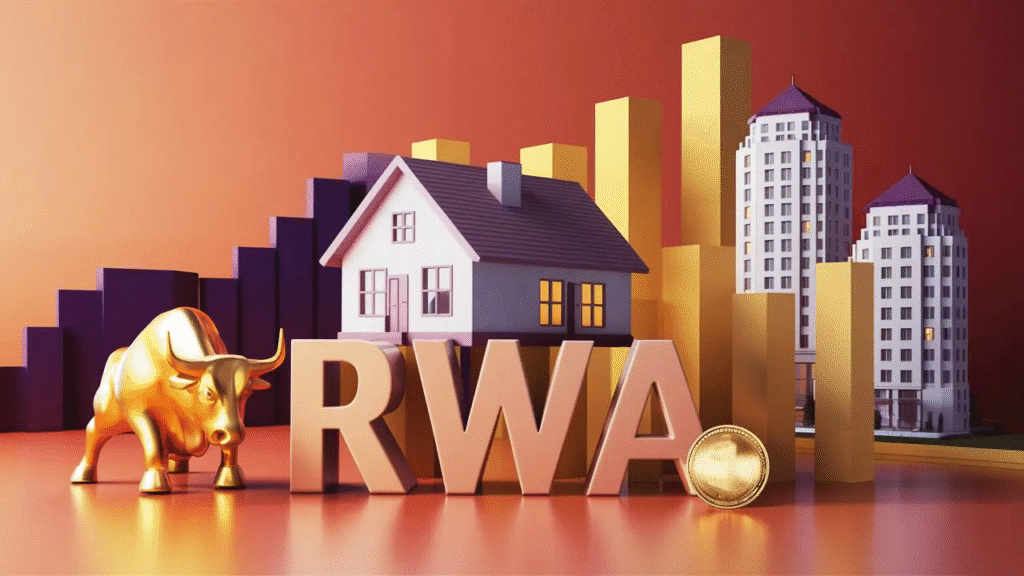
Tokenization: Reshaping Liquidity and Accessibility of Assets
Tokenization is revolutionizing the financial landscape, making assets more liquid and accessible than ever before. As we move through 2023, the trend of tokenizing real-world assets (RWA) has gained undeniable momentum. Major players in the financial sector, including Kraken and Coinbase, are venturing into tokenized stocks, while traditional giants like BlackRock and JPMorgan Chase are also stepping into this innovative arena. This shift is not just a passing trend; it represents a fundamental change in how assets are traded and valued.
The Rise of Tokenization
Despite facing challenges such as regulatory hurdles and the need for improved infrastructure, the tokenization of assets has shown explosive potential. The total locked value (TVL) of tokenized assets—including U.S. Treasuries, real estate, and luxury goods—has surged into the billions. According to recent data, the total management value of the RWA market chain has reached approximately $23.92 billion. Projections from the Boston Consulting Group suggest that by 2030, the global scale of tokenized assets could hit a staggering $16 trillion, accounting for 10% of all investable assets.
This article will delve into the RWA sub-sectors with the most significant development potential and highlight the leading projects in each field.
Tokenized Treasuries
Tokenized treasury bonds represent a significant innovation in the financial market. By converting traditional government bonds into digital tokens, investors can engage in treasury bond investments via blockchain, enjoying enhanced liquidity and transparency.
-
Franklin Templeton has launched FOBXX, the world’s first registered tokenized money market fund, investing in U.S. government securities. This fund aims to provide stable returns and liquidity, offering a convenient channel for Treasury bond investments.
-
OpenEden introduced tokenized U.S. Treasury bonds (TBILL) on the XRP Ledger, backed by a $10 million investment from Ripple. This initiative decentralizes the trading of Treasury bonds, enhancing capital liquidity for investors.
-
Matrixdock has developed the Short-Term U.S. Treasury Bond Token (STBT), which distributes interest to holders daily through an on-chain rebase mechanism, providing a flexible liquidity tool.
-
Securitize partnered with Tradeteq to create a tokenized U.S. Treasury bond fund (USTY) for qualified investors, utilizing smart contracts to manage operations and improve investment transparency.
-
Superstate launched the US Government Securities Fund (USTB), facilitating quick and efficient trading of tokenized Treasury bonds on the blockchain.
-
Hashnote introduced the USYC token, representing short-term U.S. Treasury bonds and repurchase agreements, acquired by Circle, offering a low-risk, highly liquid investment product.
- BlackRock launched the tokenized Treasury bond fund BUIDL, which serves as collateral on platforms like Crypto.com and Deribit, enhancing market liquidity and investment options.
Stablecoins: The Financial Foundation Behind Cryptocurrencies
Stablecoins serve as an "anchor" asset in the crypto market, maintaining a relatively stable value. Their tokenization allows them to be digital currencies pegged to traditional currencies or assets, providing higher stability.
-
Circle, the issuer of USDC, is advocating for the GENIUS Act, which mandates stablecoin issuers to hold an equivalent amount of short-term U.S. Treasury bonds as reserves. This initiative aims to enhance transparency and market trust.
- Other stablecoin issuers, including Tether, Paxos, and TrueUSD, are also adapting to new regulatory requirements following the passage of the GENIUS Act, which may necessitate adjustments to their reserve mechanisms.
Tokenized Stocks: Bridging Traditional and Crypto Markets
Tokenized stocks enable investment in shares through blockchain technology, allowing investors to diversify their portfolios with lower capital while enjoying greater transparency and liquidity.
-
BACKED Finance, an EU-based fintech company, focuses on tokenizing traditional stocks and ETFs into "xStocks" on the Solana blockchain, aiming to capture a significant market share by 2024.
-
Dinari, a U.S. registered transfer agent, offers tokenized stocks and ETFs called dShares, ensuring a 1:1 correspondence with actual stocks. This platform supports trading across multiple blockchains and has processed over 10,000 transactions.
- Exodus Movement has launched EXOD tokens, representing its Class A common stock on the Algorand blockchain, becoming the first tokenized stock listed on a U.S. stock exchange.
Private Credit: Decentralized Finance for SMEs
Private credit provides loans to businesses through non-traditional financial institutions, utilizing blockchain to tokenize these loans for increased liquidity and transparency.
-
Centrifuge offers financing channels for small and medium-sized enterprises by tokenizing assets like accounts receivable, streamlining the loan process through smart contracts.
-
Maple is a decentralized credit platform focusing on unsecured loans, providing investors with new debt investment opportunities through smart contract management.
- Clearpool allows institutions to originate and manage loans in a transparent credit market, reducing credit risk.
Real Estate Tokenization: Opening Doors for Global Investors
Real estate tokenization democratizes access to the traditionally high-threshold real estate market, enabling small investors to participate and enjoy enhanced liquidity.
-
Propy digitizes real estate transactions through blockchain, facilitating global participation in the real estate market.
-
RealT divides real estate assets into small tokens, allowing investors to earn monthly rental income while ensuring transaction transparency.
- Parcl combines blockchain with real estate market data to offer diverse investment opportunities.
Art & Collectibles Tokenization: New Investment Channels for Collectors
The tokenization of art and luxury goods breaks traditional market boundaries, allowing more investors to engage in high-value collectibles.
-
Courtyard.io tokenizes artworks, enabling them to be traded like crypto assets and attracting a new wave of art investors.
- Tiamonds tokenizes precious items like diamonds, providing a transparent and liquid investment platform.
Decentralized Exchanges: A New Era in Crypto Asset Trading
Decentralized exchanges (DEX) offer a more transparent and secure trading experience, eliminating the intermediary fees associated with traditional centralized exchanges.
-
DigiFT focuses on trading financial derivatives and structured products in a decentralized manner, enabling traditional financial assets to be traded on the blockchain.
- Swarm supports tokenized asset trading with transparent transaction records, allowing global investors to participate in asset tokenization.
Conclusion
The tokenization of assets is not merely a trend; it is a transformative force reshaping the financial landscape. By enhancing liquidity and accessibility, tokenization opens new avenues for investment and participation across various sectors. As regulatory frameworks evolve and technological infrastructure improves, the potential for tokenized assets will continue to expand, paving the way for a more inclusive financial future.









Frieze Seoul’s New Chapter: A Venue Transformation in 2027
Explore the significance of Frieze Seoul's upcoming move to Dongdaemun Design Plaza...
 2 Mins read

The Artistic Resurrection: Matisse Masterpieces Reclaimed
Discover how the recovery of stolen Matisse works highlights the intricacies of...
2 Mins read

Rediscovering Ancestral Heritage: The Journey of a Mosaic Skull Back to Mexico
Explore the cultural significance and artistic intricacies of a repatriated human skull...
2 Mins read



A Vibrant Legacy: Celebrating the Life and Work of Mary Heilmann
Explore the artistic journey of Mary Heilmann, a groundbreaking painter whose fearless...
2 Mins read
