


On May 31, 2026, Blue Origin announced that it would face significant delays in its upcoming launches following a catastrophic explosion during a recent test flight of its New Shepard rocket. The incident, which occurred at the company’s West Texas launch site, resulted in the destruction of the rocket and prompted immediate safety reviews and regulatory scrutiny. Blue Origin, founded by Amazon’s Jeff Bezos, has been a key player in the commercial space race, but this setback could severely hinder its operational timeline.
The explosion not only interrupts Blue Origin’s plans but also reinforces the competitive edge of SpaceX, founded by Elon Musk. SpaceX has consistently demonstrated reliability with its Falcon 9 and Starship systems, successfully executing multiple missions and advancing its Starship program aimed at Mars colonization. With Blue Origin’s delays, SpaceX is poised to further consolidate its market leadership, potentially attracting more contracts for satellite launches and crewed missions to the International Space Station.
This development is critical for global space exploration efforts, particularly as nations and private entities race to establish a sustainable human presence beyond Earth. The United States government, which has invested heavily in both companies, may find itself reassessing its partnerships and priorities in light of Blue Origin’s inability to deliver timely results. The delay could also affect international collaborations, as countries increasingly rely on commercial partners for access to space.
Looking ahead, Blue Origin must navigate a complex landscape of regulatory approvals and technical challenges to regain its footing. The company has stated its commitment to safety and innovation, but the road to recovery may be lengthy. Investors and stakeholders will be closely monitoring how this incident influences future contracts and partnerships within the evolving aerospace industry.
Source: Gulf Business









Devin Williams Discusses Overcoming Challenges from Toronto’s Lineup
Devin Williams' insights on navigating Toronto's tough roster highlight the strategic complexities...
 1 Mins read

Nancy Mace Positions Herself as Potential Successor to Lindsey Graham Amidst Political Shift
Mace's potential campaign could reshape the Republican landscape and influence national policy...
1 Mins read
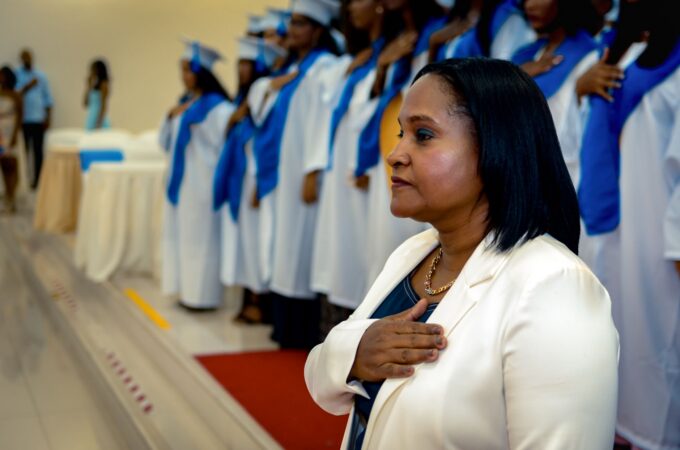
Darline Graham Sworn into Senate, Marks Historic Transition for South Carolina Politics
Darline Graham's ascension to the Senate signifies a pivotal moment in U.S....
1 Mins read



Lindsey Graham’s Sister Sworn in as South Carolina’s First Female Senator
The appointment of Lindsey Graham's sister to the Senate marks a significant...
1 Mins read
