

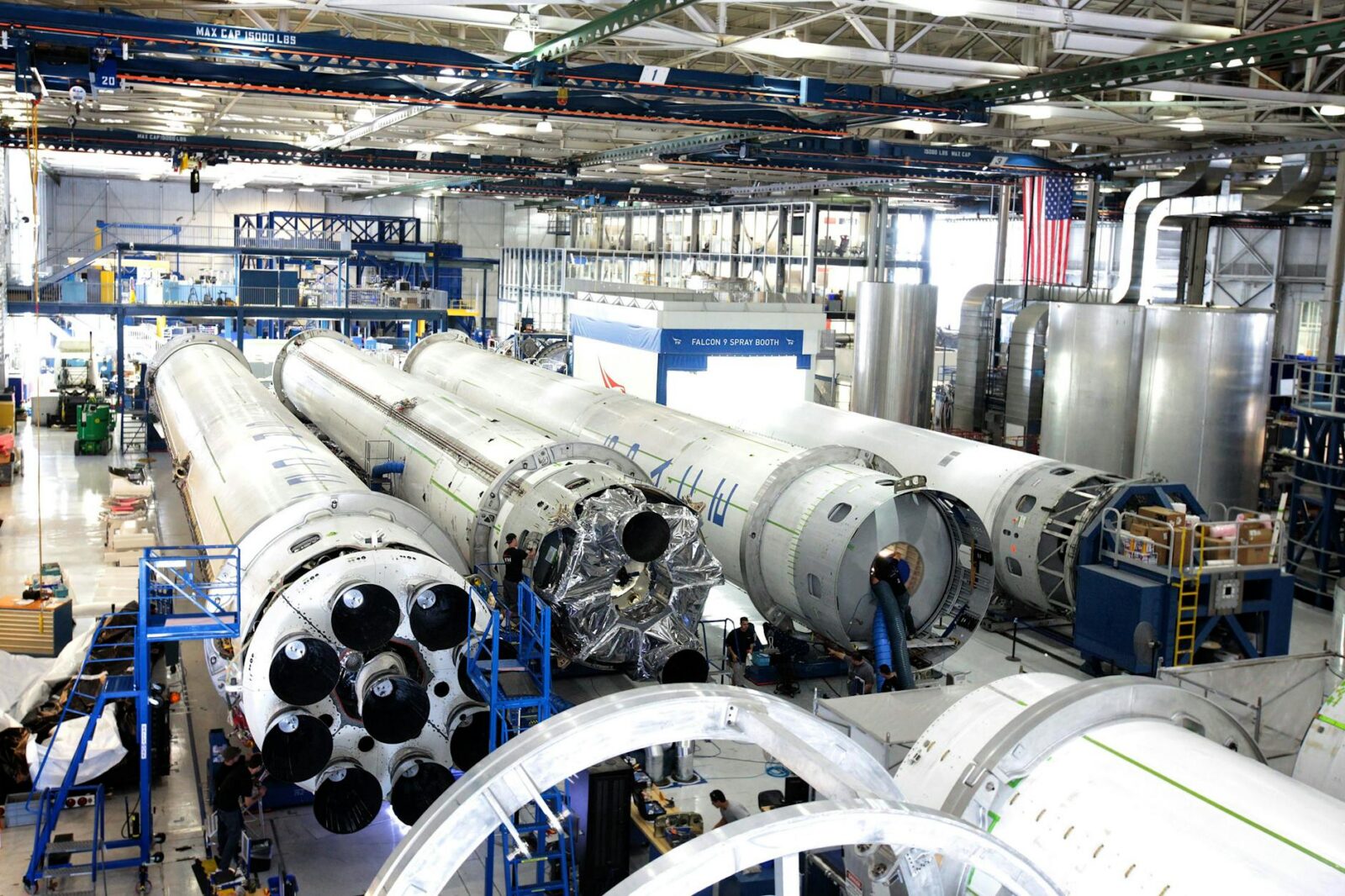
On May 31, 2026, a Blue Origin rocket suffered a catastrophic explosion during a scheduled test flight, leading to significant concerns regarding the future of U.S. space exploration. The incident occurred at the company’s launch site in West Texas, where the New Glenn rocket was intended to demonstrate advancements in reusable space technology. Fortunately, there were no injuries reported, but the explosion has ignited discussions about safety protocols and the viability of commercial space ventures.
Blue Origin, founded by Amazon’s Jeff Bezos, has been a prominent player in the burgeoning space industry, particularly as the United States aims to return to the Moon by 2028 as part of the Artemis program. This explosion, however, raises questions about the reliability of private spaceflight operations, as Blue Origin competes with SpaceX, which has already secured numerous contracts with NASA and other international partners.
The implications of this incident are profound, as the U.S. government has increasingly relied on private companies for the transportation of astronauts and payloads to the International Space Station, as well as future lunar missions. The explosion could potentially delay these missions, affecting not only NASA’s timelines but also international partnerships that hinge on U.S. leadership in space exploration. Countries such as China and Russia are ramping up their own lunar ambitions, and any setback for U.S. companies may allow these nations to gain a competitive edge in the new space race.
Looking ahead, Blue Origin will face intense scrutiny from regulators and investors alike as they investigate the cause of the explosion and implement corrective measures. The company’s future contracts and credibility could hinge on the outcome of this incident. As the global space landscape evolves, the incident serves as a stark reminder of the risks involved in pioneering efforts and the necessity for stringent safety standards in the race to explore beyond Earth.
Source: 조선일보








PAG Maintains Overweight Rating with Price Target Adjustment to $220
This adjustment signals confidence in PAG's growth potential, impacting investor sentiment and...
 1 Mins read
EchoPark Emerges as Beacon of Hope for Superspeedways Amid NASCAR’s Evolution
The transition to EchoPark signifies a pivotal moment for NASCAR's future and...
1 Mins read
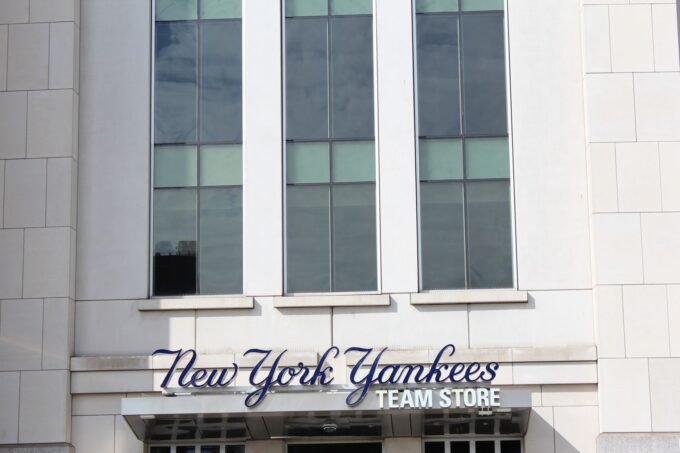
New York Mets Mid-Season Player Evaluations Highlight Team’s Strategic Challenges
The New York Mets' mid-season evaluations underscore critical decisions facing the franchise...
1 Mins read



Lindsey Graham’s Sister Appointed to U.S. Senate Amid GOP Efforts to Solidify Majority
The appointment of Lindsey Graham's sister to the Senate underscores the GOP's...
1 Mins read
