
California Enacts ‘Leno’s Law’ to Revise Smog Check Regulations for Classic Cars
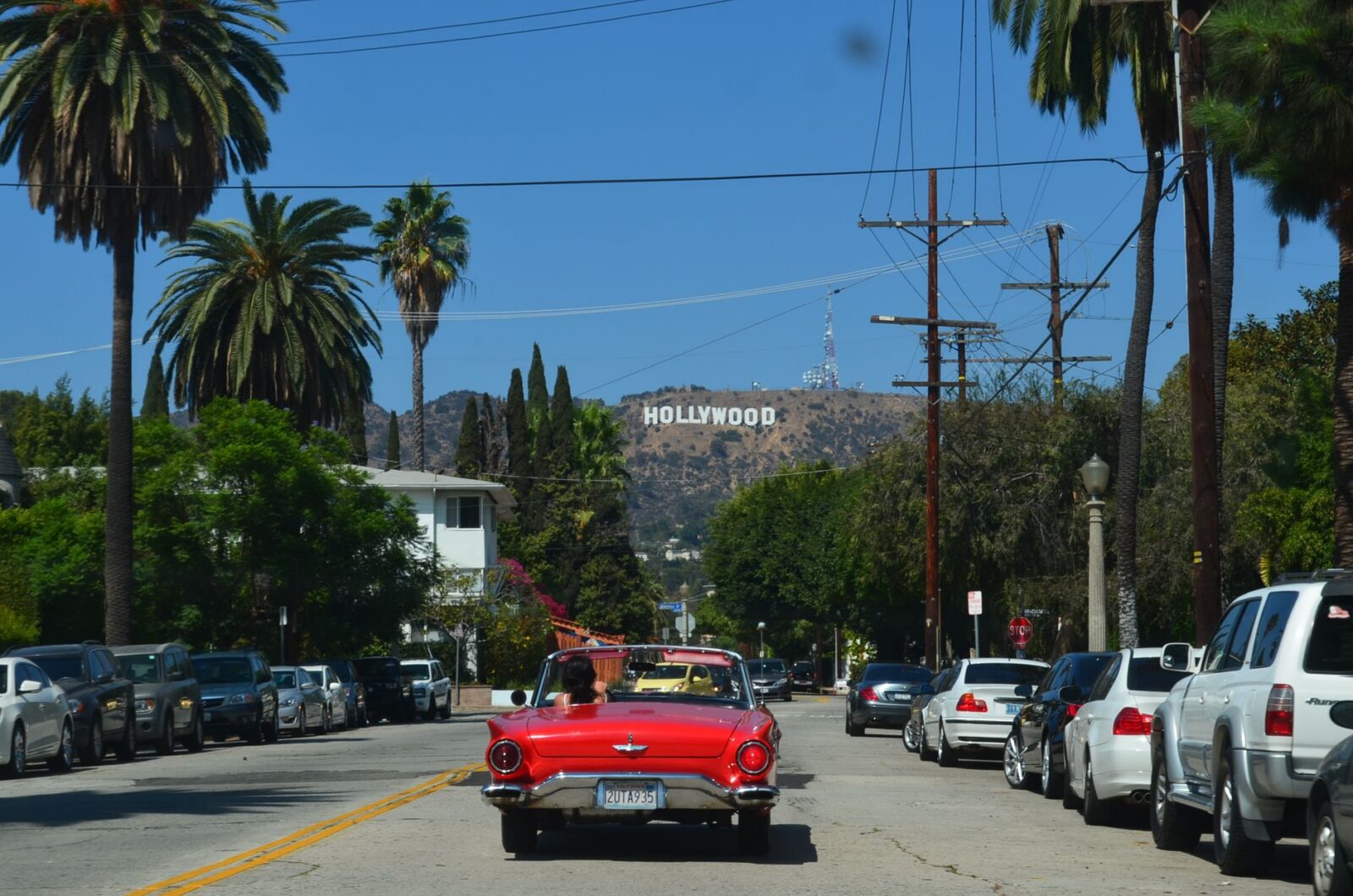
LOS ANGELES — September 18, 2026
California Governor Gavin Newsom has officially signed into law what is now known as ‘Leno’s Law,’ a significant legislative change that alters smog check requirements for classic cars. This development is particularly noteworthy for car enthusiasts and collectors, as it introduces exemptions that could ease the regulatory burden on owners of vintage vehicles.
The law, named after former late-night talk show host and classic car aficionado Jay Leno, was enacted on September 18, 2026, and aims to provide a more favorable environment for classic car ownership in California. Under the new regulations, vehicles that are 30 years or older will be exempt from the state’s stringent smog check requirements, provided they meet specific conditions outlined in the legislation.
Key provisions of ‘Leno’s Law’ include stipulations that exempt classic cars from smog checks if they are maintained in a manner that preserves their original specifications and are not modified in ways that would increase emissions. This exemption is designed to protect the integrity of classic vehicles while still addressing environmental concerns associated with older cars.
The impetus for this legislative change stems from ongoing discussions within the automotive community regarding the challenges faced by classic car owners in complying with California’s rigorous emissions standards. Many enthusiasts have argued that the existing regulations disproportionately affected the classic car market, leading to a decline in ownership and preservation of these historical vehicles.
As a result, the California legislature, responding to these concerns, introduced ‘Leno’s Law’ to strike a balance between environmental protection and the preservation of automotive history. The law has garnered significant attention from both the automotive industry and environmental advocacy groups, highlighting the ongoing debate over vehicle emissions and the preservation of classic cars.
This development matters not only to car owners in California but also to the broader national conversation about vehicle emissions and environmental policy. As one of the largest automotive markets in the United States, California’s regulatory decisions often set precedents that influence legislation in other states.
Looking ahead, the implementation of ‘Leno’s Law’ will likely prompt further discussions about the future of emissions regulations, particularly as the automotive industry continues to evolve with the rise of electric vehicles and new technologies. Stakeholders, including car collectors, environmentalists, and policymakers, will be closely monitoring the impact of this law on both the classic car community and the environment.
Source: Secret Los Angeles



California’s ‘Leno’s Law’ Signed, Expanding Classic Car Smog Exemptions
Governor Gavin Newsom's signing of SB 1392, known as 'Leno's Law', marks...
 2 Mins read


California Governor Newsom Signs SB 1392, Exempting More Classic Cars from Smog Tests
The recent signing of SB 1392 by Governor Gavin Newsom marks a...
 ABL2 Mins read
